




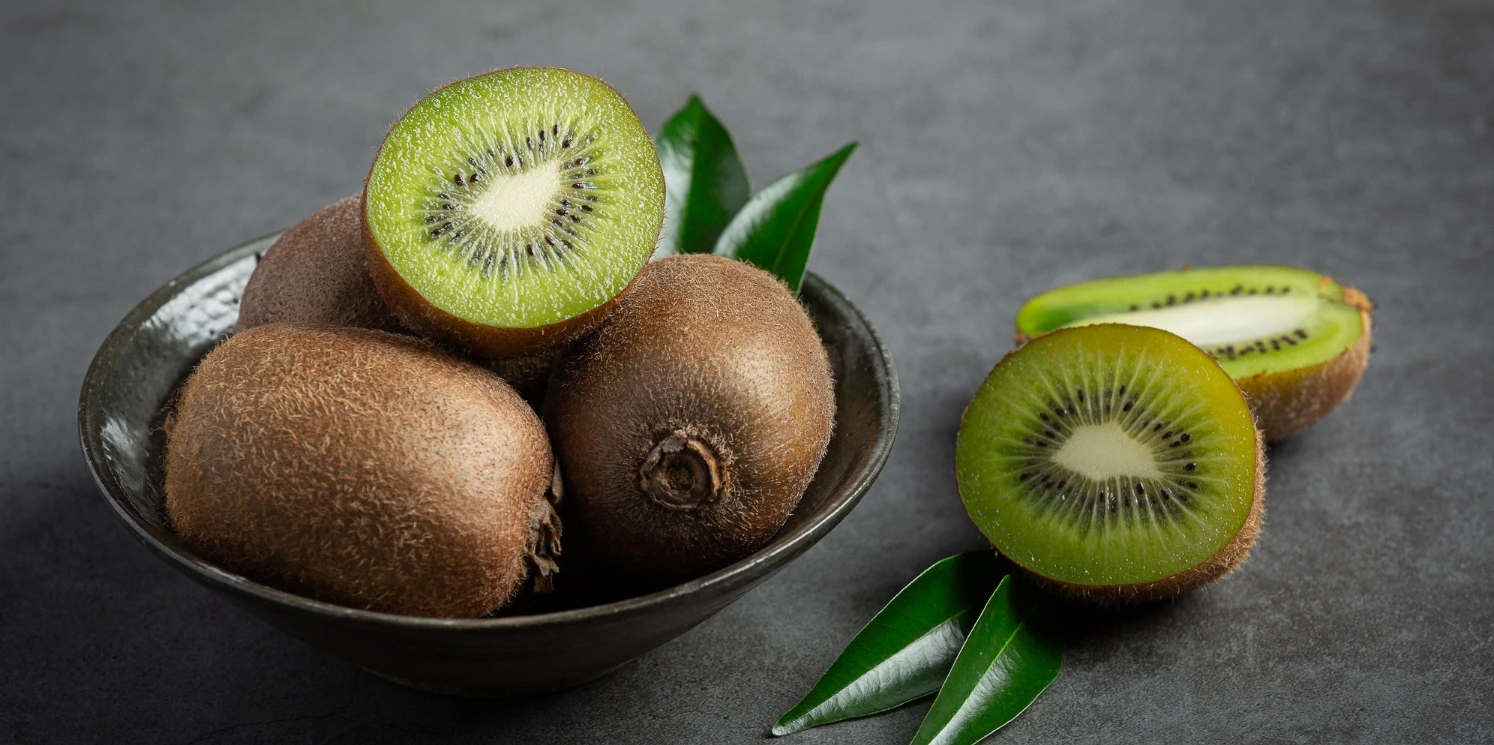
Many people peel a kiwi and then eat it. Its hairy, fluffy peel often tastes rough, so many assume it’s not edible. But nutrition experts say that kiwi peel is actually edible and may contain valuable nutrients.
In fact, eating the whole peel, rather than just the green or golden core, can increase your fiber, antioxidants, and vitamin intake. This raises an interesting question: What happens to your body when you eat kiwi peel?
Understanding the nutritional benefits of kiwi peel can help you decide whether it’s appropriate to eat the entire peel.
Can You Eat Kiwi Skin?
Yes, the kiwi peel is edible whole, and many people around the world eat the kiwi whole, just like apples or pears. The peel is safe for most people and contains essential nutrients. However, the experience can vary depending on the type of kiwi.
Green kiwi
• Has fuzzy brown skin
• Slightly tart flavor
• The skin texture can feel rough
Golden kiwi
• Smooth, thinner skin
• Sweeter taste
• Much easier to eat without peeling
Because golden kiwis have softer skin, many people find them easier to eat whole. Still, even the fuzzy green kiwi skin can be eaten safely once the fruit is washed properly.
Nutritional Value of Kiwi Skin
Kiwifruit is already known as a nutrient-dense food. But the skin actually contains additional compounds that support health.
Below is a simple overview of kiwi skin nutrition and why it matters.
| Nutrient | Why It Matters |
|---|---|
| Fiber | Supports digestion and gut health |
| Vitamin C | Helps immune function and skin health |
| Vitamin E | Acts as an antioxidant that protects cells |
| Folate | Important for cell growth and metabolism |
| Antioxidants | Help protect the body from oxidative stress |
Research suggests that eating the skin can increase fiber and antioxidant intake significantly compared with eating only the flesh.
That’s one reason nutrition experts often recommend eating whole fruits whenever possible.
What Happens to Your Body When You Eat Kiwi Skin?
Eating kiwi skin doesn’t create dramatic overnight changes. However, it can support several body systems over time because of its nutrient content.
Below are some of the most important effects.
1. Your Digestive System Gets More Fiber
The biggest benefit of eating kiwi peel is the extra fiber. The peel contains insoluble fiber, which strengthens the digestive system.
Fiber helps the body in several ways:
• Supports regular bowel movements
• Helps food move through the digestive tract
• Supports overall digestive health
This is why kiwi is sometimes recommended as a natural way to support digestion.
The kiwi skin fiber benefits may be especially useful for people who do not eat enough fiber in their daily diet.
2. Your Body Gets More Antioxidants
Another reason nutrition experts talk about kiwi skin is its antioxidant content. Antioxidants are compounds that help protect cells from oxidative stress. Oxidative stress happens when harmful molecules known as free radicals start damaging body cells over time.
Kiwi skin contains plant compounds such as the following:
• polyphenols
• flavonoids
• carotenoids
These substances act as kiwi skin antioxidants, helping support cellular health. While kiwi flesh already contains antioxidants, the skin may provide an additional boost.
3. Your Immune System Gets Nutritional Support
Kiwi fruit is well known for its vitamin C content. Vitamin C performs many important functions in the body.
• Supports immune function
• Helps the body produce collagen
• Supports wound healing
• Helps protect cells from damage
Kiwi skin also contains vitamin E, another antioxidant vitamin that supports immune health. Eating the whole fruit may help your body get the full range of these nutrients.
4. Your Gut Bacteria May Benefit
Your digestive system is home to trillions of bacteria called the gut microbiome. These bacteria play a role in digestion, immune health, and even metabolism. Fiber from fruits like kiwi acts as food for beneficial gut bacteria.
When gut bacteria break down fiber, they produce helpful compounds that support the digestive environment. Because kiwi skin contains additional fiber, eating it may contribute to better gut balance over time.
5. Your Heart May Benefit
A diet rich in fruits and fiber is often linked with heart health. Kiwi skin contributes to this through two main nutrients:
• fiber
• antioxidants
Fiber can help maintain healthy cholesterol levels, while antioxidants support healthy blood vessels. Although kiwi skin alone will not prevent heart disease, including fiber-rich fruits in your diet is part of a heart-healthy eating pattern.
Is Kiwi Skin Good for Weight Loss?
Kiwi skin itself is not a weight-loss food. However, it can support healthy weight management in a few ways.
First, kiwi is naturally low in calories.
Second, the fiber in the skin may increase feelings of fullness after eating.
Foods that contain fiber often help people feel satisfied longer, which may reduce unnecessary snacking. Still, weight management depends on overall eating habits, physical activity, and lifestyle, not one specific fruit.
Possible Side Effects of Eating Kiwi Skin
Although kiwi skin is safe for most people, there are a few things to consider.
Texture irritation
Green kiwi skin has tiny hairs that may irritate the mouth for some people. Rubbing the skin gently or washing it thoroughly can reduce this texture.
Kiwi allergies
Some individuals have kiwi allergies. Symptoms may include:
• itching in the mouth
• swelling of lips or throat
• digestive discomfort
Anyone with a known kiwi allergy should avoid both the flesh and the skin.
Oxalate sensitivity
Kiwi contains oxalates, naturally occurring compounds found in many fruits and vegetables. People who have a history of certain kidney stones may need to moderate foods high in oxalates.
For most healthy individuals, moderate kiwi consumption is not a problem.
Who Should Avoid Eating Kiwi Skin?
While most people can eat kiwi skin safely, a few groups may need to be cautious. It may be better to stay away from it if you have the following:
• a confirmed kiwi allergy
• oral allergy syndrome related to fruits
• sensitivity to high-oxalate foods
• severe digestive sensitivity to fruit skins
If you are unsure, discussing your diet with a healthcare professional is a good idea.
Green Kiwi Skin vs Golden Kiwi Skin
Not all kiwi skins are the same. Understanding the difference can help you decide which type you prefer.
Green kiwi
• Fuzzy outer skin
• Tangier flavor
• Slightly tougher texture
Some people find the fuzz unpleasant, although it is harmless.
Golden kiwi
• Smooth skin
• Sweeter flavor
• Easier to eat whole
Because the skin is thin and soft, many people prefer eating golden kiwis without peeling them.
If you’re new to eating kiwi skin, golden kiwi may feel more comfortable to start with.
How to Eat Kiwi Skin Safely
If you decide to eat kiwi skin, a few simple steps can improve the experience.
1. Wash the fruit well
Rinse kiwi under running water to remove dirt or pesticide residue.
2. Gently rub the skin
Rubbing the fruit with your fingers or a soft brush can remove some of the fuzz.
3. Slice it thinly
Cutting the kiwi into slices can make the texture less noticeable.
4. Eat it whole
You can also bite into a kiwi like an apple once it is washed.
5. Blend it into smoothies
Adding whole kiwi to smoothies makes the skin almost unnoticeable while keeping the nutrients.
Easy Ways to Add Kiwi to Your Diet
Kiwi is a versatile fruit that fits into many meals and snacks. Here are some easy ways to add it to your daily routine.
• Kiwi yogurt bowls with granola
• Fresh fruit salads with berries and citrus
• Green smoothies with spinach and banana
• Breakfast toast toppings with yogurt or cottage cheese
• Dessert garnishes for cakes or chia pudding
Eating kiwi with other fruits and whole foods helps create a balanced diet.
Quick Summary of Benefits
Eating kiwi skin may provide several nutritional advantages.
Potential benefits include the following:
• Higher fiber intake
• Extra antioxidants
• More vitamins and nutrients
• Support for digestion
• Gut health support
These benefits come from the combined nutrients found in both the kiwi flesh and its skin.
Final Takeaway
Kiwi skin might look unusual, but it is completely edible and surprisingly nutritious. When you eat kiwi skin, your body receives additional fiber, antioxidants, and vitamins that support digestion, immune function, and overall health.
While some people prefer to peel kiwi because of the fuzzy texture, others enjoy eating the fruit whole—especially smoother varieties like golden kiwi. If you tolerate it well, eating kiwi skin can be a simple way to increase the nutritional value of a fruit you already enjoy.
As with any food, the key is balance. Kiwi is best enjoyed as part of a varied diet that includes plenty of fruits, vegetables, whole grains, and healthy proteins.
FAQs:
Is it safe to eat kiwi skin?
Yes, kiwi skin is generally safe to eat for most people. The skin contains fiber, antioxidants, and nutrients that add to the fruit’s overall nutritional value. However, people with kiwi allergies or sensitive mouths may prefer to remove the skin.
What happens if you eat kiwi with the skin on?
When you eat kiwi with the skin on, your body receives additional fiber and plant antioxidants that are mostly found in the outer layer of the fruit. These nutrients may support digestion, gut health, and overall nutrient intake.
Can you eat green kiwi skin?
Yes, green kiwi skin can be eaten. It has a fuzzy texture that some people find unusual, but it is edible and nutritious. Washing the fruit well and rubbing the skin gently can make it more pleasant to eat.
Is golden kiwi skin edible?
Golden kiwi skin is edible and usually easier to eat than green kiwi skin. It is thinner, smoother, and less fuzzy, which makes the whole fruit more enjoyable to consume without peeling.
Are there dangers of eating kiwi skin?
Kiwi skin is safe for most people, but a few individuals may experience irritation from the fuzzy texture. People with kiwi allergies or certain kidney stone conditions related to oxalates should be cautious.
How should you prepare kiwi if you want to eat the skin?
The best way to prepare kiwi skin is to wash the fruit thoroughly under running water. You can also gently rub the skin to remove some of the fuzz before slicing or eating it whole.
Disclaimer:
This article shares general information and is not intended to give medical advice. For health concerns or diet changes, speak with a qualified healthcare professional.







Leave a comment