




Key Takeaways
- Sudden ear pain often comes from infections, pressure changes, or earwax buildup
- Warm compress and pain relievers can help quickly
- Avoid using cotton swabs inside the ear
- One-sided ear pain may be due to sinus or jaw issues
- See a doctor if pain is severe or lasts more than a few days
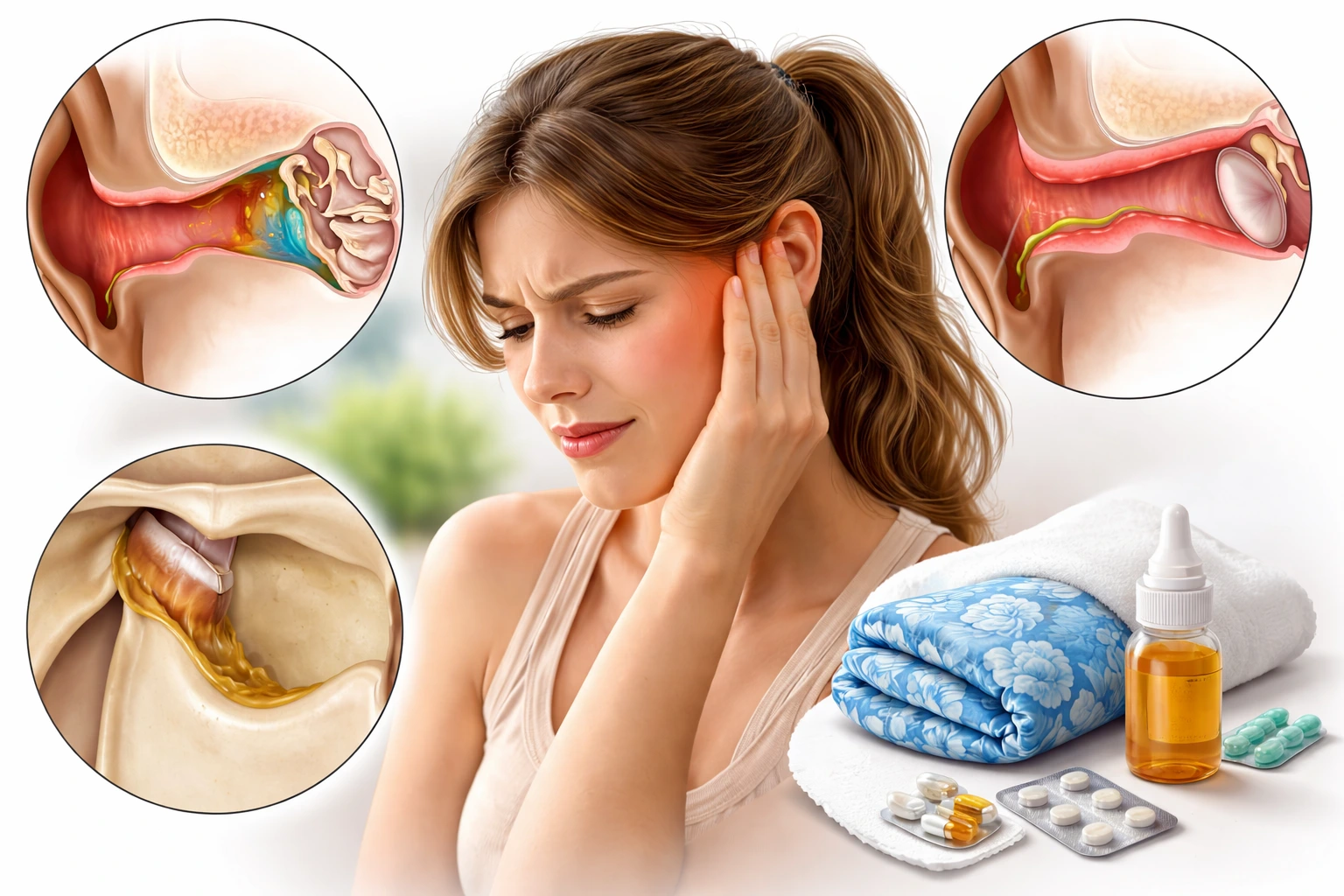
Sudden ear pain can happen anytime, completely unexpected. One minute, you are fine, and the next moment, a sharp, piercing pain makes it hard to focus, and for many people, this is unsettling, especially when it seems to happen for no reason. But understanding why your ear suddenly hurts helps you take quick action, ease the pain, and avoid complications.
Ears are surprisingly complex organs. Not only for hearing, they are closely linked with nerves, jaw, sinuses, and throat. This is why ear pain can come from multiple sources, and identifying the root cause can sometimes be tricky.
Understanding Sudden Ear Pain
Sudden earache, or acute otalgia, feels different for everyone. Some people feel dull and continuous pain, while others feel sharp or stabbing sensations. Pain can be in one ear or both, and it can appear during normal daily activities, rest, or even sleep.
The ear is divided into three parts:
- Outer ear: collects sound
- Middle ear: transmits vibrations
- Inner ear: helps with balance
If any of these areas are disrupted—whether by infection, pressure change, or physical irritation—pain can be triggered.
Sometimes the discomfort does not actually come from the ear. This is called “referred pain,” where issues in the jaw, teeth, or throat send signals to the brain that feel like ear pain. This is why sudden earaches can feel confusing and intense.
Common Reasons Your Ear Might Hurt
Sudden ear pain can have many reasons. Some are minor and manageable with home care, while others require professional evaluation.
Ear Infections
Ear infections are a common cause of abrupt ear pain. They can occur in the middle or outer ear, and symptoms can differ slightly.
- Middle ear infections often develop after a cold or sinus infection. Fluid can collect behind the eardrum, leading to pressure and discomfort. The pain might be a sharp stab or a dull throb, potentially accompanied by a feeling of fullness in the ear, drainage, or a fever. Kids are particularly susceptible, as their Eustachian tubes are shorter and don’t work as well.
- Outer ear infections, often called “swimmer’s ear”, happen when bacteria or fungi grow in the ear canal. This usually occurs after swimming or when the ear is exposed to moisture. Symptoms include tenderness, redness, itching, and increased pain when the ear is touched
Persistent or severe ear infections require medical attention, as untreated infections can lead to hearing loss or eardrum damage.
Earwax Buildup
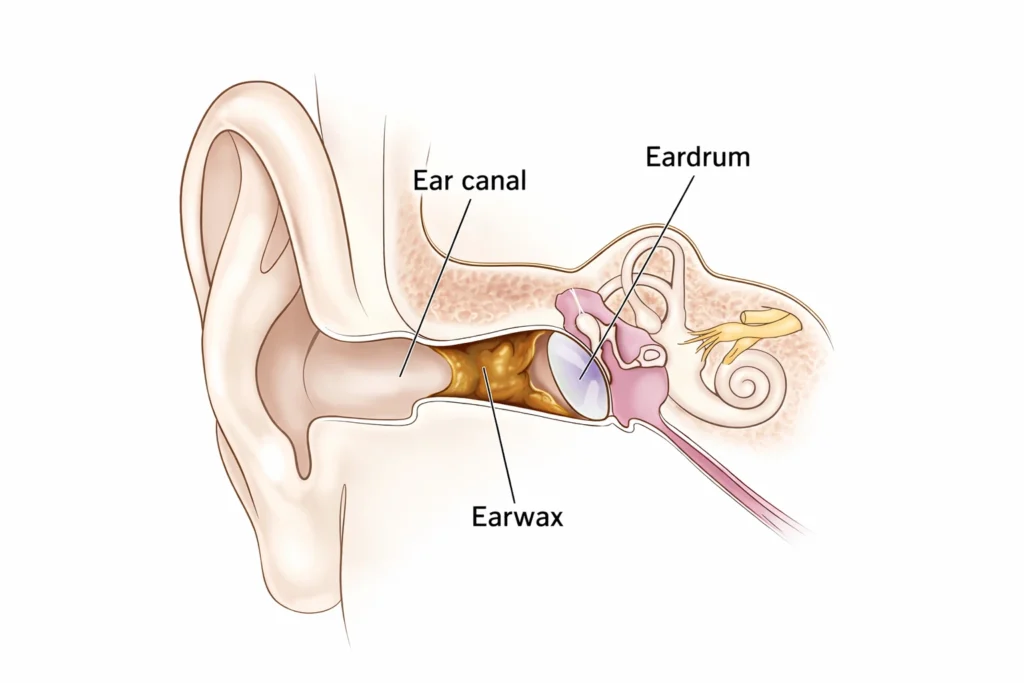
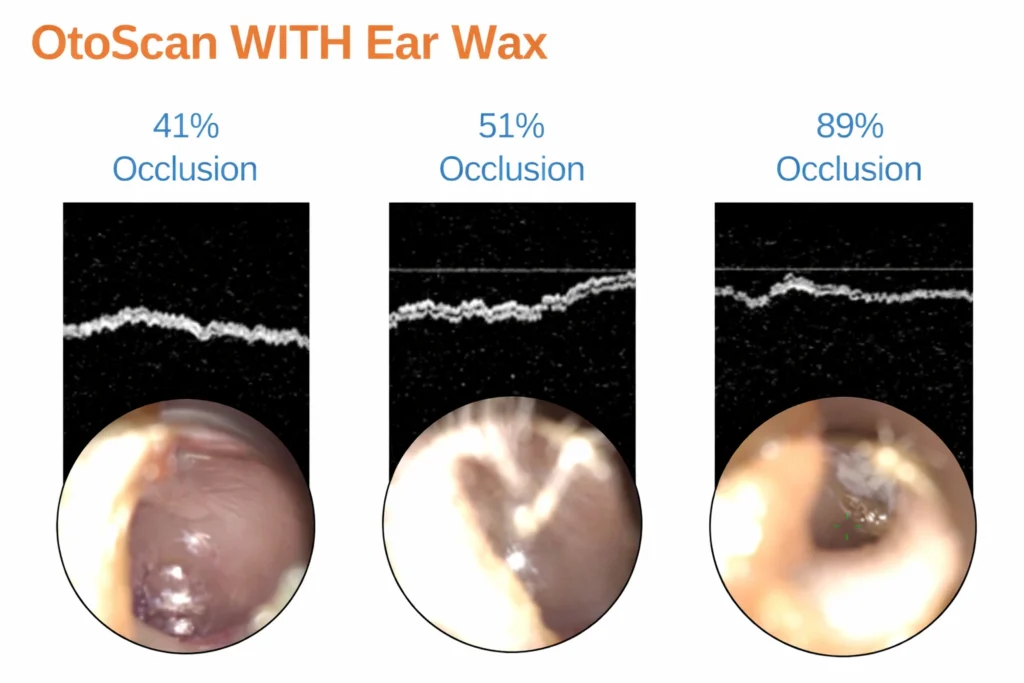
Earwax protects the ear canal from dust, bacteria, and debris, but excessive buildup can cause discomfort, muffled hearing, and sudden pain.
Common causes of problematic earwax accumulation include frequent cotton swab use (pushing wax deeper), naturally narrow ear canals, or age-related changes in wax production.
Signs of blockage include dull ache, ringing in the ear, and partial hearing loss. Softening drops or professional removal are recommended, as digging with cotton swabs or objects can worsen the problem or damage the eardrum.
Jaw-Related Pain (TMJ Disorders)

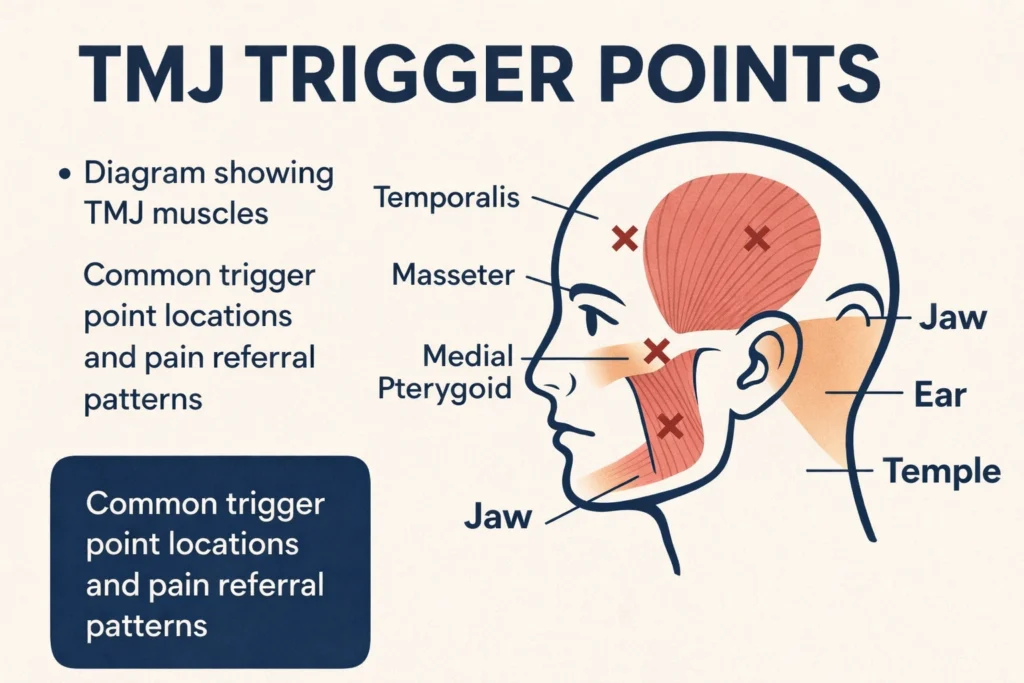
The temporomandibular joint (TMJ) connects the jaw to the skull and is near the ear. Problems in this joint can radiate pain to the ear, even if the ear itself is healthy.
TMJ pain can result from teeth grinding, clenching, arthritis, or injury. Ear discomfort often intensifies with jaw movement, and clicking or popping sounds can occur when opening the mouth, along with stiffness or difficulty chewing.
Gentle jaw exercises, warm compresses, or using a night guard to prevent grinding can reduce TMJ-related ear pain.
Pressure Changes (Barotrauma)
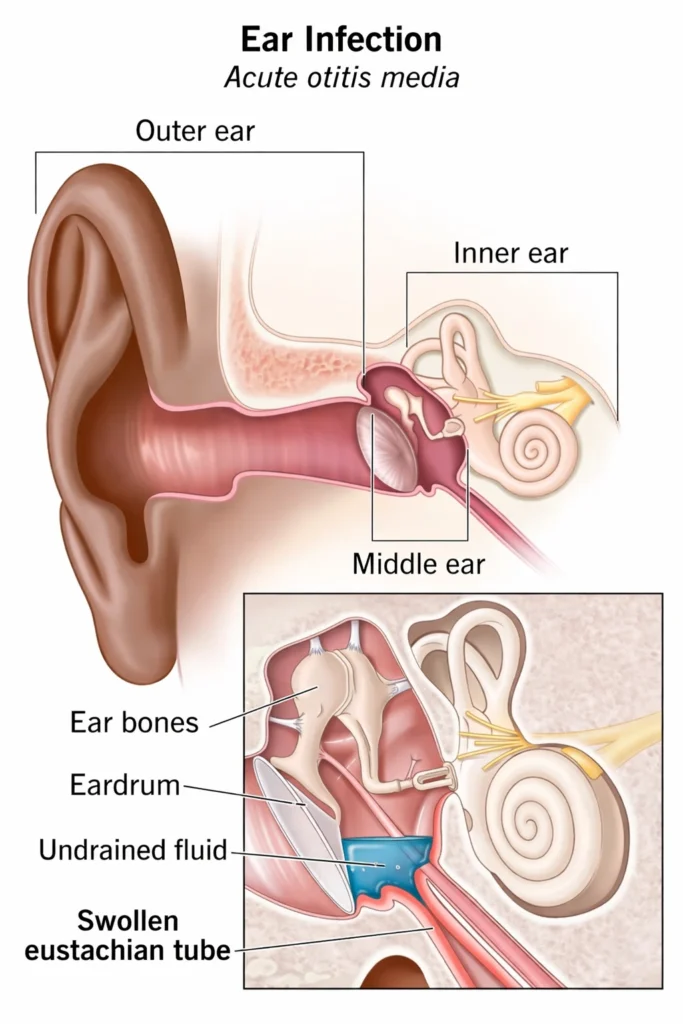

Flying, diving, or high-altitude travel can cause barotrauma when the middle ear pressure does not equalize with the surrounding environment.
The Eustachian tube helps balance pressure, but if blocked or slow to respond, sudden pain, fullness, or temporary hearing changes can occur. Pain is usually sharp, and the ear may feel “popped” or under pressure.
Simple actions like swallowing, yawning, chewing gum, or gently performing the Valsalva manoeuvre (pinch the nose and blow gently) often relieve discomfort. Sometimes decongestants are helpful if nasal congestion is contributing.
Referred Pain from Other Areas
Ear pain can sometimes come from issues outside the ear. Tooth infections, sore throat, and sinus infections can radiate pain to the ear.
Dental infections are a common source of referred ear pain. Similarly, an inflamed throat or tonsils can irritate nearby nerves, causing ear discomfort. Sinus infections create pressure behind the ear or in the ear canal, causing sharp or dull pain.
Treating the underlying condition often relieves the earache, which is why dental check-ups, managing sinus congestion, and treating throat infections are important when experiencing ear pain.
Difference Between Left and Right Ear Pain
Sometimes only the left ear or right ear hurts, and people may be confused whether it is normal or serious. Generally, ear pain is side-specific because underlying causes can differ. Right ear pain is often linked to sinus infection, cold, or right-side TMJ issues. Left ear pain can relate to migraines, dental problems, or left-side sinus blockage.
The important point is that single ear pain does not always mean an infection. If the pain is sharp, sudden, or accompanied by hearing loss, a doctor should be consulted. Observing side-specific symptoms helps doctors diagnose and treat faster.
Understanding Inner vs Outer Ear Pain
Inner ear pain usually comes from balance and pressure issues, such as vertigo, inner ear infections, or loud noise exposure. This pain often feels deep, throbbing, and sometimes causes dizziness.
Outer ear pain, like swimmer’s ear, usually occurs in the ear canal and feels tender to touch. Redness, swelling, and itching are also common.
Middle ear pain is often caused by fluid buildup, pressure changes, or infection. Throbbing ache, muffled hearing, and occasional fever indicate middle ear involvement.
Understanding which layer the pain comes from is critical because treatment and home remedies vary according to the cause.
Sudden Stabbing Ear Pain vs Dull Ache
The type of ear pain also helps identify the cause.
- Sudden stabbing pain is sharp and intense, often caused by TMJ spasms, foreign objects, eardrum rupture, or rapid pressure changes.
- Dull ache, continuous or mild throbbing, is often caused by earwax buildup, mild infection, sinus pressure, or referred dental pain.
Noting the type of pain is important, as stabbing pain may require urgent evaluation, while a dull ache can often be managed with home remedies.
Less Common Causes
Rare but possible causes include foreign objects in the ear canal, ruptured eardrums from infection or trauma, loud noise exposure, or skin conditions like eczema. Sudden, severe pain with hearing loss, dizziness, or fluid discharge should be evaluated by a medical professional.
Symptoms to Watch For
Not all earaches are the same, and some symptoms require prompt medical attention:
- Sharp or throbbing pain, inside or outside the ear
- Fever, chills, or fatigue
- Fluid, pus, or blood draining from the ear
- Reduced hearing or muffled sounds
- Ringing or buzzing (tinnitus)
- Dizziness or imbalance
- Redness or swelling around the ear
Persistent pain for more than a few days, high fever, or fluid discharge usually requires medical evaluation to prevent complications.
Home Remedies That Actually Work
Mild ear pain can often be relieved at home. Over-the-counter pain medications like ibuprofen or acetaminophen reduce swelling and pain. A warm compress helps relax the ear and surrounding muscles.
If the pain is related to sinus or congestion, decongestants or nasal sprays can help. For wax buildup, softening drops and proper ear hygiene are best practices.
For jaw-related pain, gentle jaw exercises and relaxation techniques are beneficial. Staying hydrated and getting proper rest supports natural healing and thins mucus, relieving ear pressure.
Managing Ear Pain During Sleep
Ear pain can be more noticeable during sleep. Lying positions can increase ear pressure, especially on the affected side.
Safe practices: keep the ear slightly elevated with a pillow, avoid pressure on the hurting side. If congestion or sinus issues are present, extra pillows or head elevation can help. A warm compress or OTC pain meds before sleep can provide mild relief.
Avoid loud noises and sudden head movements while sleeping, as these can increase pain and irritation.
Exercises & Massage for Ear & Jaw Pain
Gentle exercises and massage are effective for TMJ and jaw-related ear pain. Slowly open and close the mouth, do jaw stretching exercises, and massage the muscles around the ear in circular motions to improve blood flow and release tension.
Neck and shoulder relaxation is also important, as tight muscles can radiate pain to the ear. Regular practice can significantly reduce pain intensity and ear pressure.
How to Relieve Ear Pain at Home
Mild earaches can often be managed with home remedies. Over-the-counter pain medications like ibuprofen or acetaminophen reduce inflammation and discomfort. A warm compress gently placed on the ear improves blood flow and relaxes surrounding muscles.
Decongestants or nasal sprays are helpful if ear pain is caused by congestion or sinus pressure, helping open blocked Eustachian tubes. Maintaining proper ear hygiene, avoiding cotton swabs, and using wax softening drops are also helpful.
Gentle stretching, relaxation exercises, and using a night guard reduce jaw-related pain. Hydration and rest promote natural healing and thin mucus for easier drainage.
When to See a Doctor
Home remedies are effective for minor ear discomfort, but some signs require professional care.
Medical attention is needed if:
- Severe or worsening pain
- High fever or chills
- Persistent fluid, pus, or blood from the ear
- Sudden hearing loss
- Dizziness or vertigo
- Ear pain after injury or head trauma
- Pain lasting more than three days
A healthcare provider will determine if antibiotics, eardrum repair, or other treatments are necessary, depending on the cause. Do not attempt to remove objects or treat deep infections at home.
When Ear Pain Becomes Serious
When does ear pain become urgent? If the pain is severe, accompanied by high fever or chills, fluid/pus/blood is coming from the ear, sudden hearing loss, dizziness, or occurs after trauma, immediate medical attention is required.
Ignoring these signs can lead to complications like permanent hearing loss, chronic infection, or eardrum damage. Doctors provide timely diagnosis and treatment, ensuring quick recovery and long-term ear health.
Preventive Measures for Long-Term Ear Health
Daily ear care improves with simple habits. Do not insert objects in the ear, dry ears after swimming, and manage allergies and sinus issues.
Chewing gum and yawning during flights or high-altitude travel helps equalize ear pressure. Maintain dental hygiene, perform jaw relaxation exercises, or use a night guard to avoid TMJ issues. Regular check-ups, especially for children, help detect ear infections early.
How to Protect Your Ears
Preventing sudden ear pain is often easier than treating it. Simple daily habits make a significant difference.
Do not insert objects in the ear, including cotton swabs or hairpins. Dry ears thoroughly after swimming to reduce swimmer’s ear risk. Manage allergies and sinus issues to decrease pressure and congestion.
Chewing gum or yawning during flights or high-altitude travel helps equalize pressure. Good dental hygiene prevents tooth-related referred pain, and jaw exercises or night guards protect against TMJ-related discomfort. Routine check-ups, especially for children prone to ear infections, are helpful.
Common Misunderstandings About Ear Pain
There are many myths about earaches that can worsen the situation if misunderstood. Ear pain is not always an infection. Pressure changes, TMJ issues, and referred pain are common non-infectious causes. Cotton swabs do not safely clean ears; they push wax deeper and can damage the eardrum. Some earaches self-resolve, but persistent or severe pain requires professional evaluation.
Misconceptions About Ear Pain
There are many common myths about earaches. Ear pain does not always mean infection; pressure changes, TMJ, and referred pain are also causes. Cotton swabs are not safe for ear cleaning because they push wax deeper and can damage the eardrum.
Home remedies sometimes provide relief, but persistent or severe pain should always be consulted with a doctor. Misunderstanding this can delay treatment and cause complications.
🔹 FAQs:
How do I stop ear pain immediately at home?
To relieve sudden ear pain, apply a warm compress over the ear and consider taking over-the-counter pain relievers like ibuprofen or acetaminophen. If congestion is the cause, steam inhalation or a nasal decongestant may also help reduce pressure.
Why does my ear hurt all of a sudden without an infection?
Not all ear pain is caused by infection. Sudden discomfort can result from pressure changes, earwax buildup, jaw tension (TMJ), or sinus congestion, even if there are no signs of illness.
How can I tell if my ear pain is serious?
Ear pain may be serious if it is accompanied by high fever, fluid discharge, hearing loss, or dizziness. In such cases, it’s important to seek medical attention without delay.
Why does only one ear hurt sometimes?
Pain in just one ear is often linked to localized issues such as sinus blockage, dental problems, or jaw misalignment. While it can be temporary, persistent pain should be evaluated by a doctor.
What is the fastest way to relieve ear pressure pain?
The quickest way to relieve ear pressure is by yawning, swallowing, or chewing gum. You can also try the gentle Valsalva maneuver to help equalize pressure inside the ear.








Leave a comment