




- ✔️ Easy to prepare and fits into any daily routine
- ✔️ High fiber supports better digestion and fullness
- ✔️ Works as breakfast, snack, or light meal
- ✔️ Proper soaking improves texture and digestion
- ✔️ Consistency matters more than quantity
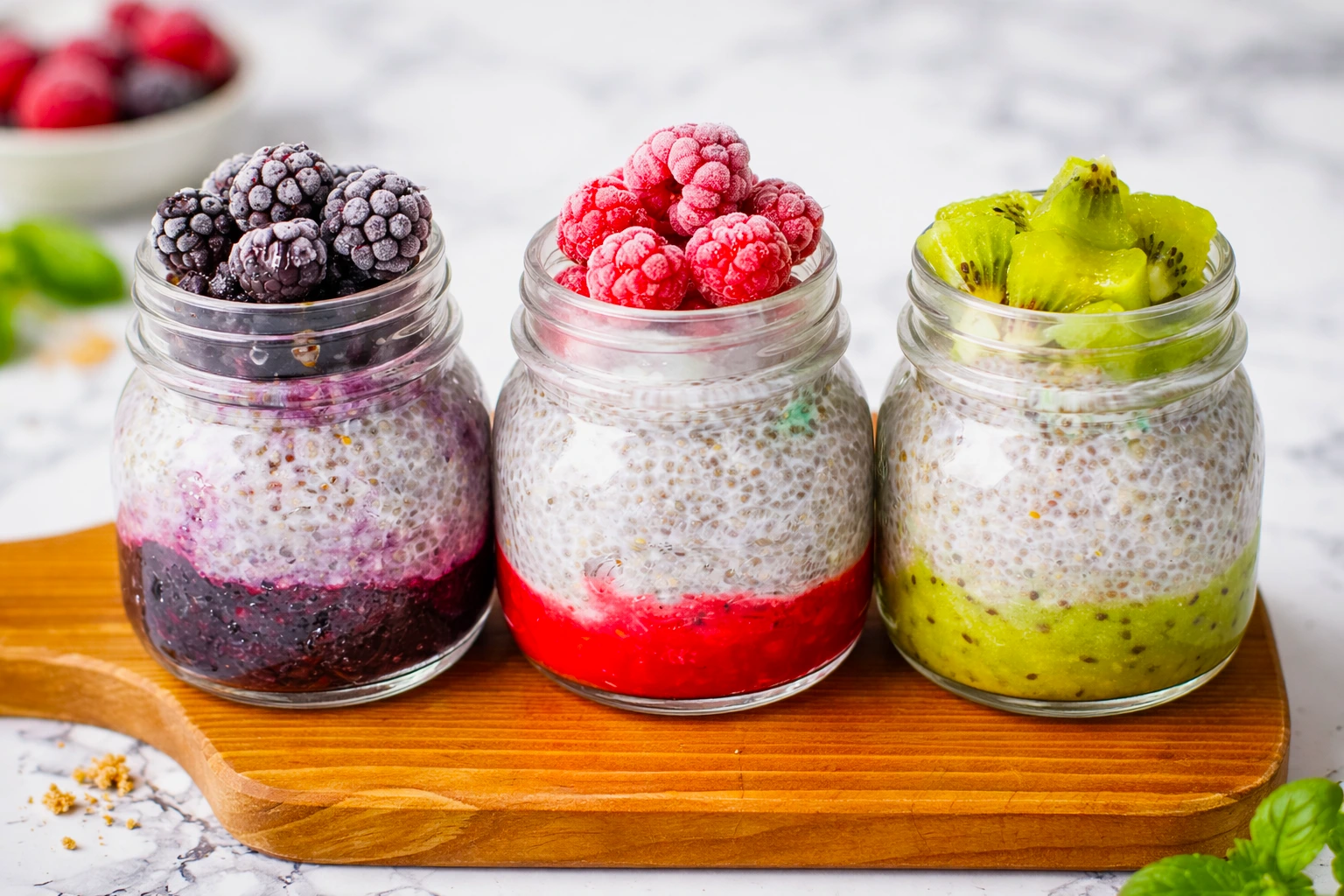
Chia Seed Pudding: Eating healthy today isn’t as straightforward as it once was. Every day, a new “superfood” starts trending—sometimes it’s quinoa, sometimes oats, and now it’s chia seeds. With so much information out there, it becomes hard to tell what actually works and what is just hype.
Chia seeds have quickly become one of the most talked-about health foods. From Instagram recipes to weight loss plans and healthy breakfast ideas, chia pudding is everywhere. But when it comes to actually using them, that’s where the confusion begins.
How much should you take? How do you soak them properly? Is it safe to eat them daily? And most importantly, do they really improve your health?
That’s precisely what this guide aims to explain clearly.
This is not just another recipe. You’ll get a clear understanding of what chia seeds are, how much fiber they contain, how they work in your body, and how to use them the right way. You’ll also learn how to make the perfect chia pudding with the correct ratio, along with a few easy variations that fit into your daily routine.
In simple terms, this guide will take you from confusion to clarity—step by step.
Why Everyone Is Adding Chia Seeds to Their Diet
If you notice, people today are focusing more on small, practical changes in their diet. Some are cutting down sugar, others are avoiding processed foods, and many are adding simple superfoods. In this trend, chia seeds have quickly become popular.
The problem is, most people cannot follow complicated diet plans. They need options that are easy, time-saving, and still healthy. That’s where chia seeds become a simple solution.
With a basic chia pudding, you can prepare your breakfast, snack, or even dessert without much cooking. This makes it a very practical choice for a busy lifestyle.
Why people are choosing chia seeds:
- Minimal preparation — just soak overnight and it’s ready
- High in fiber — supports digestion
- Long-lasting energy — without feeling heavy
- Easy to customize — with fruits, milk, or yogurt
👉 Insight: Chia seeds are not just healthy—they’re convenient. And today, convenience is what helps build consistency.
What Are Chia Seeds? (Simple Explanation + Nutrition Overview)
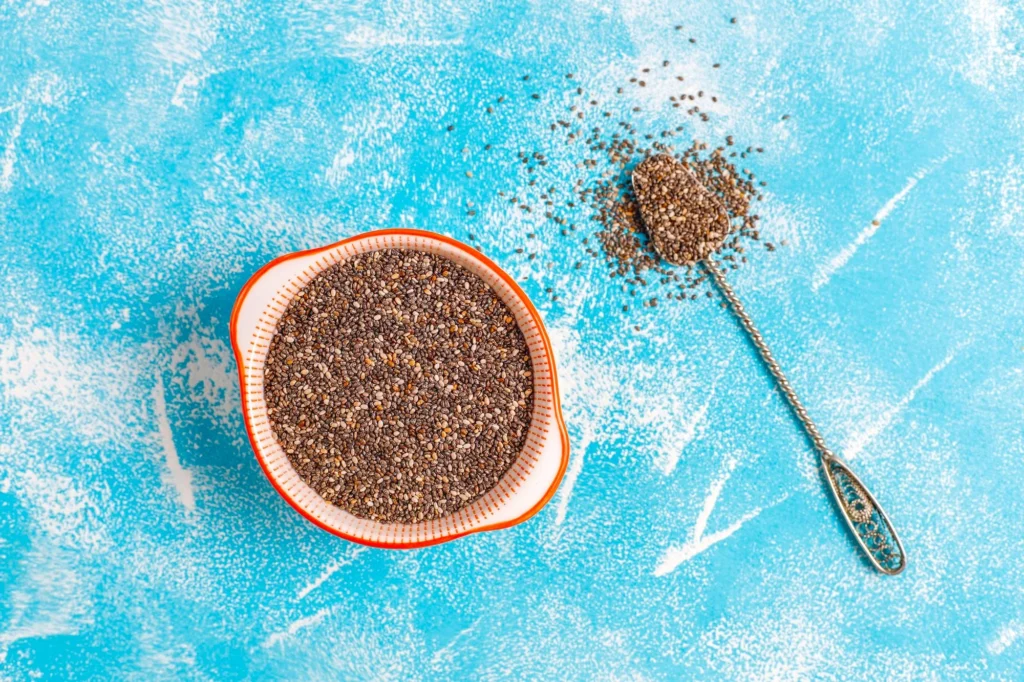
Chia seeds are a plant-based food that has been used for a long time, but they have recently become popular again in modern diets. These are small, oval-shaped seeds that can be black or white.
The problem is, many people use them only as a topping without understanding how they actually work in the body. Once you understand how a food behaves, you can get the most benefit from it.
When chia seeds are added to water, milk, or any liquid, they absorb 8–10 times their weight. This creates a gel-like texture that helps with digestion and keeps you full for longer.
Nutrition snapshot (approx. 2 tablespoons):
- Calories: 130–140
- Fiber: ~10 grams
- Protein: ~4 grams
- Healthy fats: High (rich in omega-3)
- Calcium & magnesium: Good source
👉 Insight: Chia seeds are a nutrient-dense food—meaning you get strong nutrition even in a small amount. That’s why they easily fit into a daily diet.
Benefits of Chia Seeds for Your Body
The real value of chia seeds becomes clear when you see how they support different systems in the body. This is not a one-benefit food—it supports overall health.
In this section, we’ll look at practical benefits in a simple and real-life way.
High Fiber Content and Digestive Health

Digestive issues are very common today. Fast food, low-fiber diets, and irregular eating habits often lead to constipation, bloating, and heaviness.
This is where chia seeds play their strongest role—through fiber.
Chia seeds are rich in soluble fiber that turns into a gel-like texture when mixed with liquid. This gel helps smooth digestion and supports gut movement.
How it helps:
- Makes stool softer and easier to pass
- Supports gut bacteria (prebiotic effect)
- Helps regulate digestion
👉 Insight: If your daily diet is low in fiber, chia seeds can be a simple and natural way to improve it.
Weight Loss and Fullness

One of the biggest challenges in weight loss is controlling hunger. People often start dieting, but cravings make it hard to stay consistent.
Chia seeds provide indirect support here.
When you consume soaked chia seeds or chia pudding, they expand in your stomach and create a feeling of fullness. This helps you feel satisfied with smaller portions.
How it works:
- Fiber helps you feel full
- Digestion slows down → energy stays steady
- Blood sugar spikes are reduced
👉 Insight: Chia seeds do not directly burn fat, but they strongly support appetite control.
Heart Health and Cholesterol

In today’s lifestyle, heart health has become a major concern, and diet plays a very important role in it. Chia seeds contain omega-3 fatty acids, which are considered beneficial for heart health.
Potential benefits:
- May help reduce LDL (bad cholesterol)
- Helps maintain HDL (good cholesterol)
- May reduce inflammation
👉 Insight: This is a supportive food—best results come when it is part of an overall balanced diet.
Energy and Hydration

Many people feel low on energy throughout the day or get tired quickly during workouts. One common reason behind this is poor hydration and nutrient imbalance.
Chia seeds have a unique property—they absorb liquid, which indirectly supports hydration.
How it helps:
- Improves hydration retention in the body
- Provides steady energy due to slow digestion
- Helps avoid sudden sugar crashes
👉 Insight: Eating chia pudding in the morning can provide steady energy while still feeling light on your stomach.
How Much Fiber Is in Chia Seeds?
Today, people want to eat healthy, but one basic thing is often ignored—fibre. Most people focus on protein and calories but overlook fiber intake. Because of this, digestion slows down, energy becomes uneven, and hunger returns quickly.
This is where chia seeds become a simple and practical solution. These small seeds may look basic, but they are very powerful when it comes to fiber. The key point is they are not just “high in fiber,” they are a concentrated source.
Fiber in Chia Seeds (Practical Breakdown)
When you look at chia seeds by quantity, their real value becomes clear. Even a small serving provides a noticeable amount of fiber, which is otherwise hard to get consistently from a regular diet.
Fiber content (approx.):
- 1 tablespoon → ~5 grams fiber
- 2 tablespoons (standard serving) → ~10 grams fiber
These numbers matter because getting this much fiber daily from normal foods is not always easy.
👉 Insight: Just adding 2 tablespoons of chia seeds can significantly improve your daily fiber intake without extra effort.
Are Chia Seeds High in Fiber?
Many people hear that chia seeds are high in fiber, but they don’t understand what type of fiber and how it works. This is what actually determines the real benefit.
Chia seeds mainly contain soluble fiber. When it comes in contact with liquid, it forms a gel-like structure. This gel slows down digestion and makes it more controlled.
Effect on the body:
- Slows digestion → better nutrient absorption
- Keeps blood sugar stable → reduces sudden hunger
- Increases stomach volume → improves fullness
👉 Insight: That’s why consuming chia seeds in the morning or on an empty stomach can be more effective—it helps control your eating pattern throughout the day.
Daily Fiber Needs vs Chia Seeds
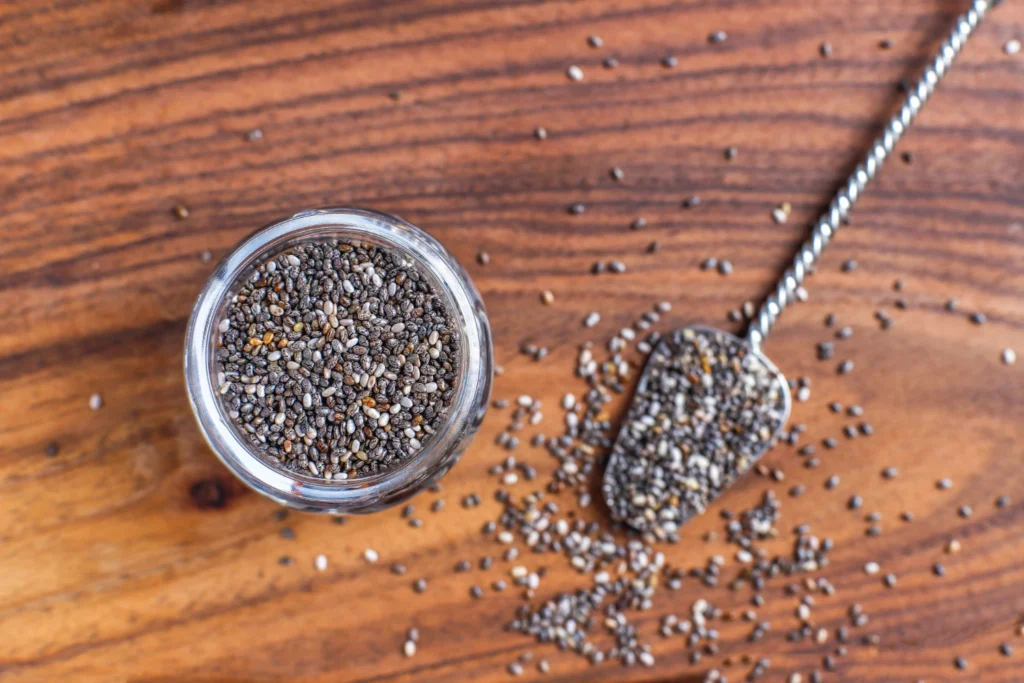
It’s not enough to know that chia seeds contain fiber. It’s also important to understand how much fiber your body needs and how much chia seeds actually contribute.
In today’s lifestyle, processed foods are common, and they usually lack fiber. This creates a gap between recommended and actual intake.
Approximate daily fiber requirement:
- Women: 20–25 grams
- Men: 25–35 grams
If you consume 2 tablespoons of chia seeds, you get around 8–10 grams of fiber—which is a strong contribution.
In practical terms:
- It’s not a complete solution
- But it’s a strong starting point
- The rest should come from natural foods
👉 Insight: Use chia seeds as a support system—not as a replacement for your entire diet.
How to Use Chia Seeds Properly
Many people buy chia seeds but make mistakes while using them. Some eat them dry, some take too much at once and still expect good results—but that’s not how it works.
The problem is not the seeds—the problem is how they are used. Chia seeds behave differently because they absorb liquid. If you don’t prepare them properly, they may even cause digestive discomfort.
👉 Insight: Proper usage is what unlocks the real benefits.
How to Soak Chia Seeds
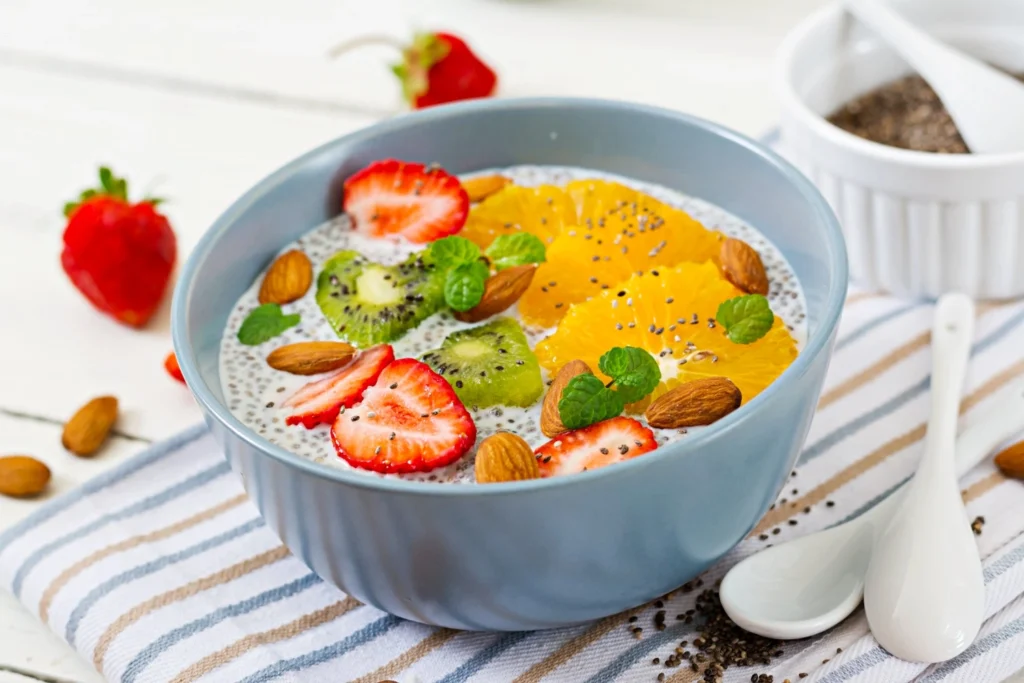
Soaking chia seeds is the most basic and important step. It may seem simple, but it decides whether you get smooth digestion or discomfort.
When chia seeds come in contact with liquid, they form a gel layer around them. This gel softens them and makes them easier for the body to digest.
Basic soaking method:
- 1 tablespoon chia seeds
- 1 cup water or milk
- Stir well (to avoid clumps)
- Let it sit for 20–30 minutes
If you want a creamy, pudding-like texture, you can soak them overnight.
👉 Insight: For beginners, soaked chia seeds are the safest and most comfortable option.
How Long Should Chia Seeds Soak?
This is a common beginner question—how long should you soak chia seeds? Some people consume them too quickly, while others wait longer than needed. The ideal soaking time depends on your purpose, as different timings give different textures.
Time breakdown:
- 20–30 minutes → basic gel forms
- 2–3 hours → thicker consistency
- Overnight → fully set, creamy texture
👉 Insight: If you are making chia pudding, overnight soaking works best and gives a smooth, consistent texture.
Do You Have to Soak Chia Seeds?
Technically, soaking is not mandatory, but for practical and safe use, it is highly recommended—especially for beginners.
When dry chia seeds are consumed directly, they absorb liquid inside the body. This can sometimes lead to heaviness, bloating, or discomfort.
Best approach:
- Beginners → always use soaked chia seeds
- Regular users → small quantity dry (with enough liquid intake)
👉 Insight: Soaking is a small step, but it makes a big difference in both digestion and comfort.
Chia Pudding Recipe (Step-by-Step)
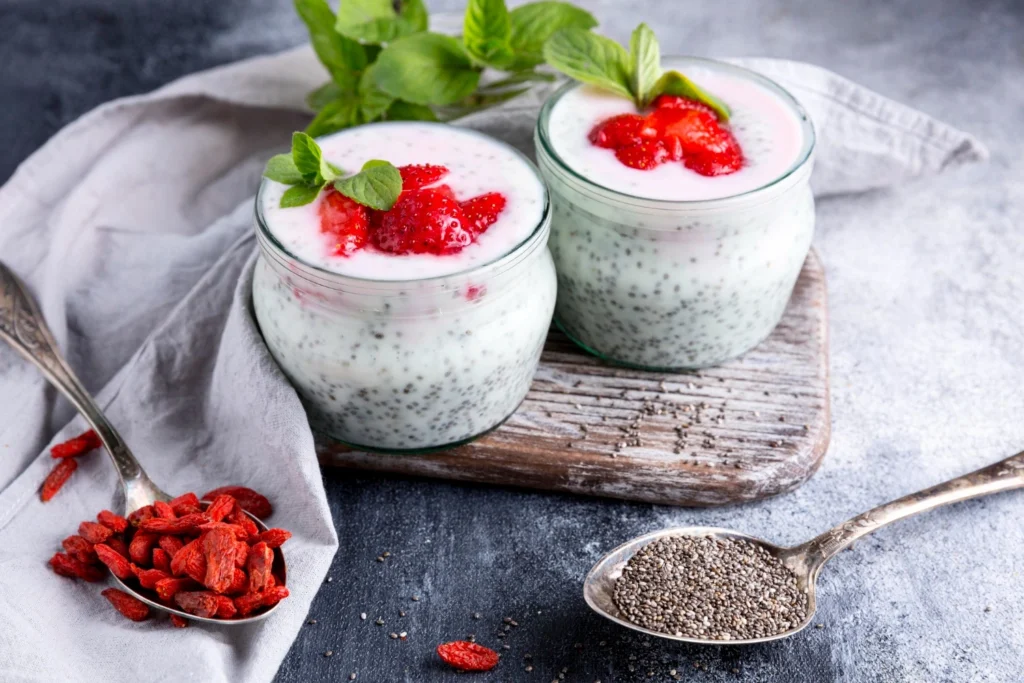
Chia pudding is popular because it is simple, quick, and flexible. But when people make it without the right method, both texture and taste can suffer.
What makes this recipe truly effective is how simple it is. Once you understand the basic process and ratio, you can easily customize it based on your taste.
👉 Insight: Chia pudding is a low-effort meal that helps you stay consistent with healthy eating.
Basic Chia Pudding Ratio
The most important part of making perfect chia pudding is the correct ratio. This is where most people make mistakes. If there are too many seeds or too little liquid, the texture becomes either too thick or uneven.
Ideal ratio:
- 2 tablespoons chia seeds
- 1 cup milk (dairy or plant-based)
This gives a balanced texture—not too thick and not too watery.
How to customize:
- Thicker texture → slightly increase seeds
- Lighter texture → increase milk
👉 Insight: Once you find your perfect ratio, you can get consistent results every time.
How to Make Chia Pudding
Now that the ratio is clear, the next step is preparation. The process is simple, but a little attention is needed for a smooth texture.
Once you make it correctly once, it can easily become your go-to healthy meal.
Step-by-step method:
- Add chia seeds to a bowl or jar
- Pour in milk (following the ratio)
- Stir well (to avoid lumps)
- Mix again after 5 minutes
- Cover and refrigerate
- Let it set for at least 3–4 hours or overnight
Ways to improve taste:
- Honey or maple syrup
- Fresh fruits (banana, mango, berries, strawberry)
- Nuts and seeds
👉 Insight: This is a “prepare once, eat anytime” meal—perfect for a busy routine.
Best Chia Pudding Variations to Try
Having the same breakfast daily can start to feel repetitive. This is one of the main reasons people struggle to maintain healthy habits long-term.
Chia pudding solves this problem because it is easy to customize. The base stays the same, but changing flavors keeps it interesting.
👉 Insight: Variety is not just for taste—it helps you stay consistent over time.
Popular Variations
Chocolate chia pudding
Add cocoa powder, milk, and a natural sweetener. It gives a dessert-like feel while still being healthy.
Mango chia pudding
Mix in fresh mango puree for a naturally sweet and creamy option.
Strawberry chia pudding
Blend strawberries and add them in. It gives a light and refreshing taste.
Chia pudding with yogurt
Use yogurt instead of milk or combine both. This makes the texture thicker and increases protein content.
How Long Does Chia Pudding Last?
When it comes to meal prep, one of the most common concerns is—how long will it stay safe to eat? If you are not clear about storage, you might either finish it too quickly or take unnecessary risks.
Chia pudding is a refrigerated food, so its shelf life depends on how well it is stored. When handled properly, it can easily last for a few days.
👉 Insight: Proper storage is not just about safety—it also helps maintain taste and texture.
Storage guidelines:
- Store in the refrigerator (avoid room temperature)
- Use an airtight container
- Stays safe for 4–5 days
How to tell if it has gone bad:
- Unusual smell
- Texture becomes too watery or separated
- Taste feels off
Tip: Always add fresh fruits at the last moment to keep them fresh.
Basil Seeds vs Chia Seeds: Which Is Better?
Many people think chia seeds and basil seeds (sabja) are the same because both form a gel when soaked. But in reality, they are different seeds and have slightly different effects. Understanding the difference helps you choose based on your goal.
👉 Insight: There is no fixed “better” option—it depends on your needs.
Key differences:
- Texture: Chia seeds stay slightly chewy, while basil seeds feel softer
- Soaking time: Basil seeds soak quickly (10–15 minutes), chia seeds take longer
- Nutrition: Chia seeds are higher in fiber and omega-3
- Usage: Basil seeds are more common in drinks, while chia seeds are more versatile
Which one to choose:
- For weight management and fiber → chia seeds
- For quick cooling drinks → basil seeds
How Many Chia Seeds Can You Safely Eat in a Day?
Even healthy foods do not give the right results if taken in the wrong quantity. The same rule applies to chia seeds. Understanding the correct daily intake is important, especially if you plan to use them regularly.
👉 Insight: Consistency + correct quantity = better results.
Recommended intake:
- Beginners → 1 tablespoon per day
- Regular users → 1–2 tablespoons per day
Important tips:
- Start slow (avoid sudden high fiber intake)
- Increase water intake
- Observe how your body responds
Note: Everybody is different, so adjust based on your comfort.
Chia Seeds in Everyday Foods
A common mistake is limiting chia seeds only to pudding. After a few days, this becomes boring, and people stop using them completely.
If you want to make chia seeds part of your daily diet, it is better to include them in different foods. This adds variety and helps you stay consistent.
👉 Insight: Flexibility is the key to long-term consistency.
Easy ways to include:
- Overnight oats with chia seeds — mix with oats for a fiber boost
- Chia jam — make a quick homemade jam with fruits
- Chia seeds in yogurt — a quick and filling snack
- Smoothies — blend for added thickness and nutrition
7 Mistakes People Make When Using Chia Seeds
Many people say they did not get the expected results from chia seeds. In most cases, the reason is small mistakes that go unnoticed.
Once you understand these, your overall experience can improve significantly.
👉 Insight: Correct usage depends on small details.
Common mistakes:
- Eating too many dry chia seeds
- Not consuming enough liquid
- Using the wrong pudding ratio
- Expecting instant results
- Overeating (taking too much quantity)
- Ignoring proper storage
- Using them the same way every time
Are Chia Seeds Worth Adding to Your Diet?
Today, almost every food is promoted as a “superfood,” so it’s natural to feel doubtful. In the case of chia seeds, the answer is practical. They are not a magic solution that creates an overnight transformation. But when used correctly, they can be a strong, supportive addition to your diet.
👉 Insight: Small, consistent changes create long-term results.
Why you can consider them:
- Easy to prepare
- High fiber support
- Versatile usage
- Suitable for a busy lifestyle
Conclusion: A Simple Superfood You Can Use Daily
A healthy lifestyle should not feel complicated. The simpler things are, the easier they are to follow long-term. Chia seeds are a good example of this—easy, flexible, and practical. When you use them correctly in your routine, they can improve your diet without adding extra stress.
👉 Final Insight: A consistent diet matters more than a perfect diet.
FAQs:
Can you eat chia seeds every day?
Yes, 1–2 tablespoons per day is generally safe. Just make sure to drink enough water.
Is chia seed pudding good for breakfast?
Yes, it’s a great breakfast option because it is light, filling, and easy to prepare.
Do chia seeds help with digestion?
Yes, their high fiber content supports digestion, especially when soaked properly.
Can you add chia seeds to hot foods?
Yes, but avoid adding them to very hot or boiling foods. Let the food cool slightly first.
Are chia seeds better with milk or water?
Milk gives a creamy texture and better taste, while water makes it lighter and simpler.







Leave a comment