




I honestly thought I was keeping my salt intake under control. I never added extra salt to my meals, and I didn’t eat chips or salty snacks every day. That’s why I always believed my salt intake was perfectly fine.
However, I gradually started noticing something strange. After eating, my body felt a bit heavy… sometimes I’d get a mild headache for no reason… And some days, I just felt unusually tired—without any clear cause.
At first, I ignored it. I thought maybe I hadn’t slept well or it was just normal tiredness. But when these things started happening repeatedly, I began to seriously wonder—am I unknowingly consuming too much sodium?
The Simple Truth We Often Ignore
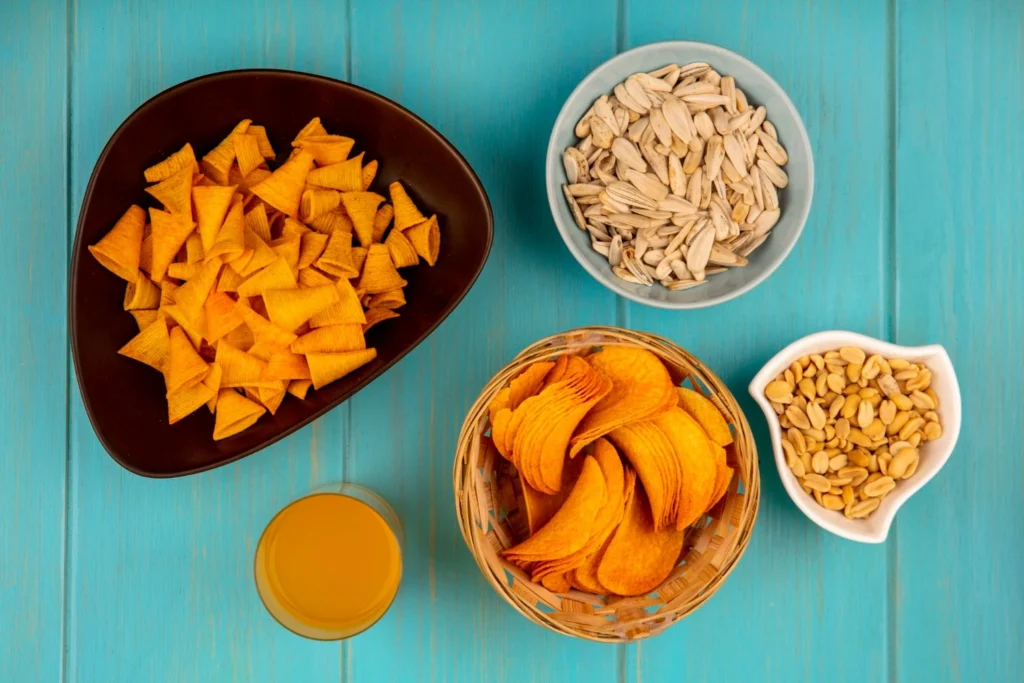
Then I realized a simple fact: eating too much salt doesn’t necessarily mean you’re adding it on top of your food. The real problem is that we often have no idea how much salt we’re actually consuming.
Experts say a healthy adult should consume less than 5 grams of salt per day (about 1 teaspoon), which is true.
But the reality today is different. We often consume far more than 5 grams of salt every day… without even realizing it. And how would we notice?
Because salt isn’t just what we sprinkle on our food—it’s already hidden in our everyday meals.
Like:
- Bread and biscuits
- Packaged snacks (chips, namkeen)
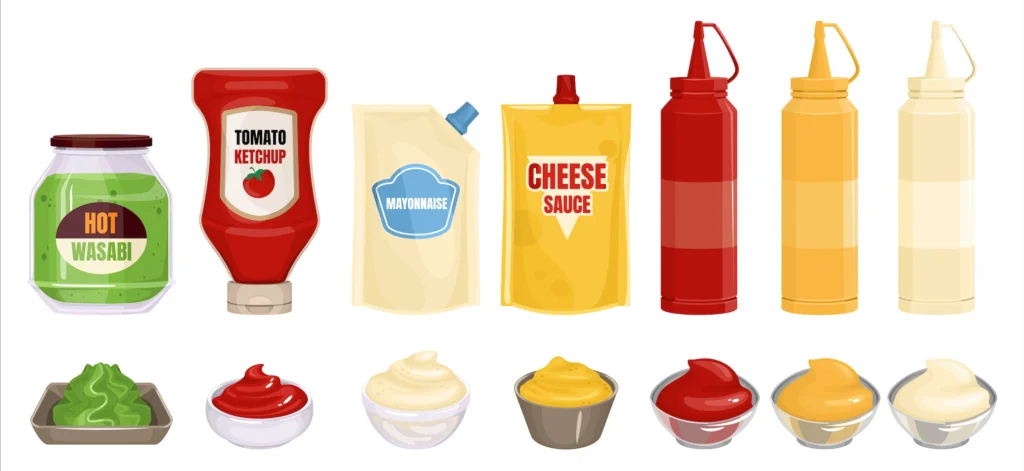
- Sauces and ketchup
- Instant noodles or ready-to-eat foods
All of these already contain significant sodium… and when we eat them daily, thinking they’re normal, our total salt intake increases without us realizing it. And that’s when the real problem starts. When sodium builds up in the body, it holds extra water, which increases blood volume… and gradually, blood pressure rises. Over time, this can increase the risk of high blood pressure.
Where Hidden Sodium Actually Comes From
The most shocking part for me was that the sodium wasn’t coming from home-cooked meals. The real issue was those small things… that I consumed daily without thinking, which together raised my total salt intake—without me having any clue.
Like:
- Packaged snacks
- Bread and bakery items
- Sauces (ketchup, soy sauce, etc.)
- Instant noodles
- Ready-to-eat items
The problem is that their taste feels completely normal, so we don’t realize they’re high in salt. And that’s why we think everything is fine. But when you consume all these together, your total sodium intake becomes much higher than expected.
The Real Impact on Your Body

It’s not just about blood pressure. When we start consuming excess sodium, our body reacts gradually—and most of the time, we don’t notice, because the symptoms aren’t obvious. But the body keeps reacting quietly.
Common signs include:
- Water retention – swelling or puffiness
- Frequent headaches
- Fatigue – low energy
- Extra strain on heart health
If ignored long-term, these problems can worsen. That’s why early awareness is so important.
When I Started Paying Attention
I didn’t completely change my diet, nor did I follow any strict rules. I just became a little more aware and started observing my daily habits slowly.
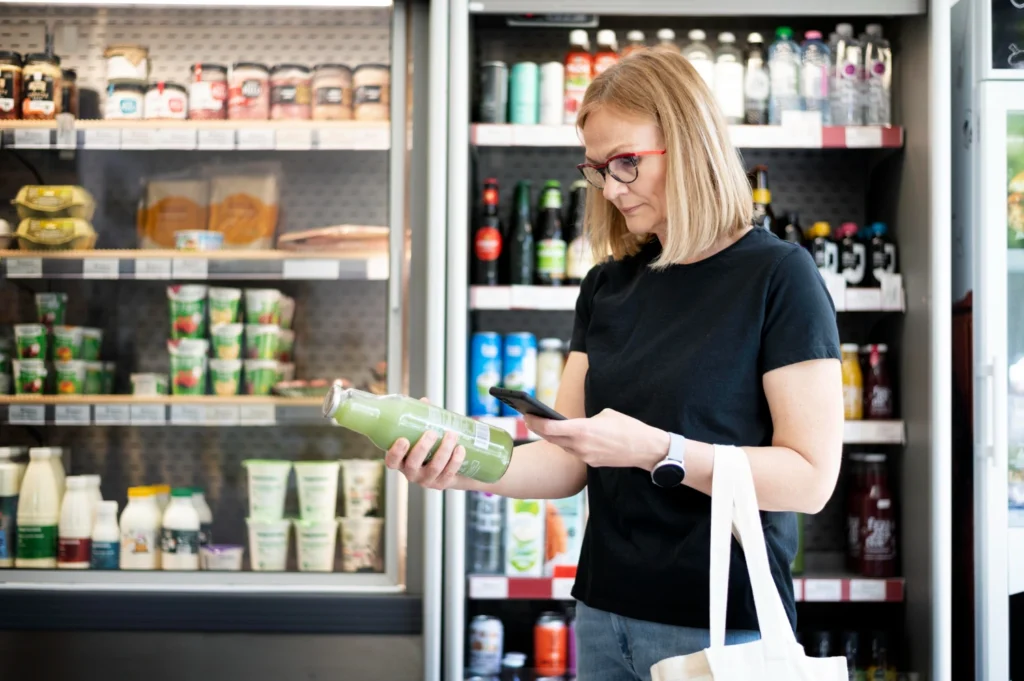
I began checking food labels occasionally.
I reduced packaged foods slightly.
I started using lemon, herbs, and simple spices for taste.
And honestly, within a few days, I started noticing small differences, like the following:
- Food felt less heavy after meals
- Energy levels became a bit more stable
- The body felt overall lighter and fresher
It wasn’t a dramatic transformation… but these small changes were real and noticeable. For the first time, I clearly felt the effect of just a little awareness.
What Experts Recommend
Health experts also suggest some simple habits to control sodium intake. These aren’t strict rules, but they’re quite effective long-term:
- Limit processed foods
- Monitor daily sodium intake
- Include fresh fruits and vegetables
- Add potassium-rich foods (like bananas and spinach) to your diet
These naturally help maintain a sodium balance in the body.
Simple Ways to Reduce Sodium Naturally

You don’t need a complete diet overhaul. Just adopting small habits can help control sodium intake.
Practical, easy steps:
- Choose fresh or home-cooked foods more often
- Reduce packaged items slightly
- Start checking “sodium” on food labels
- Use natural flavors instead of sauces
You just need to pay a little attention to your food. You don’t need to completely change your life—small habits alone can make a difference.
A Small Personal Realization
For me, this wasn’t about changing my diet. It was just an understanding—realising what I was consuming without noticing. I still eat normal food; I don’t follow any extreme rules.
I’m just a little more aware. And sometimes… just that small change is enough to help the body feel better.
FAQs:
What is hidden sodium?
Hidden sodium is the salt already present inside foods like packaged snacks, bread, sauces, and instant meals. It’s not visible, so people often don’t notice it.
Can I consume too much sodium without adding extra salt?
Yes. Even if you don’t add extra salt, eating processed or packaged foods can increase your sodium intake without you realizing it.
How much salt is safe per day?
For a healthy adult, less than 5 grams of salt per day (around 1 teaspoon) is generally recommended.
What happens if I consume too much sodium?
Excess sodium can cause water retention, headaches, and low energy and may increase the risk of high blood pressure over time.
How can I reduce sodium naturally?
You can reduce sodium by eating more fresh foods, limiting packaged items, checking food labels, and using natural flavors like lemon and herbs.






Leave a comment