




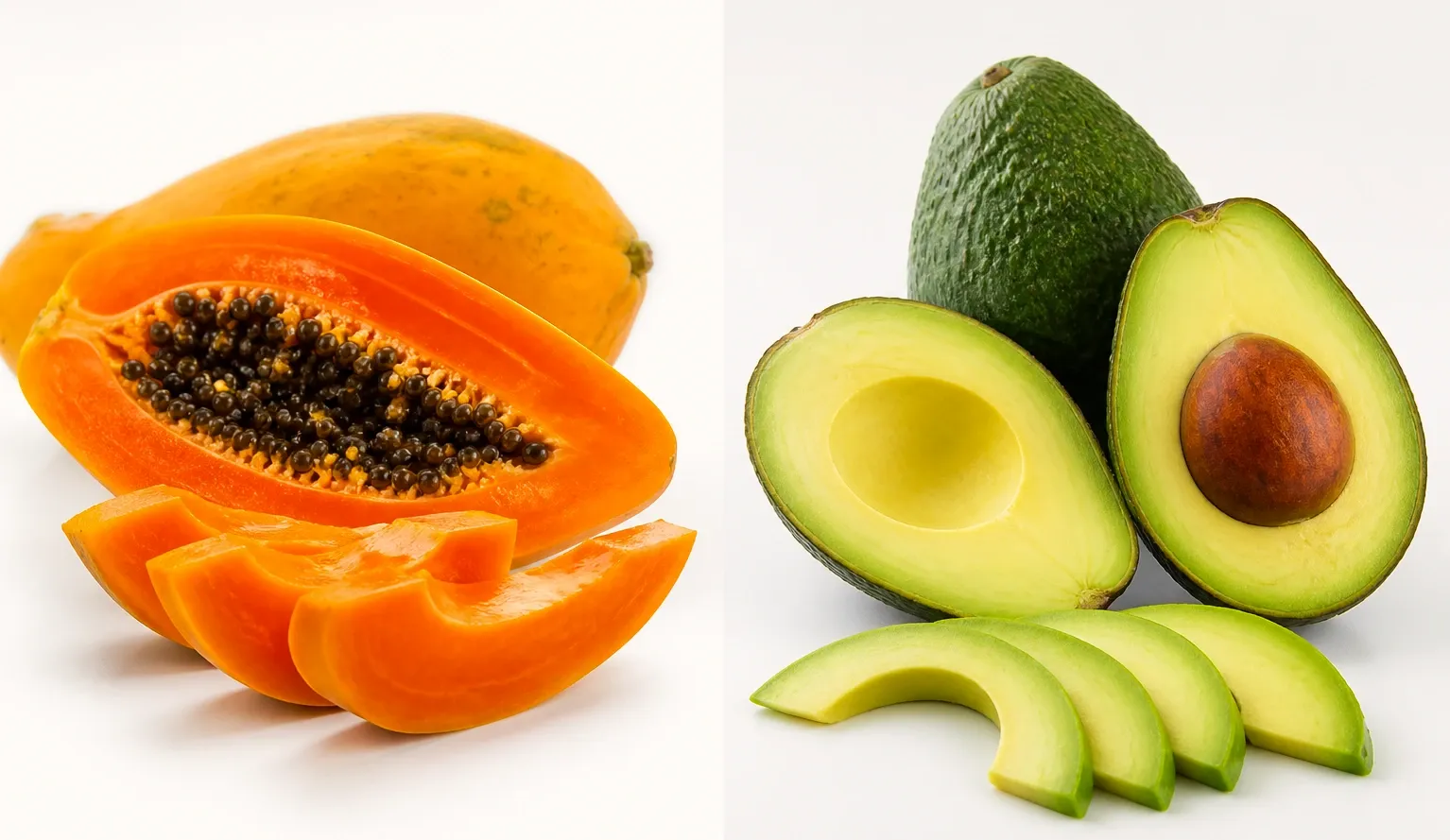
Have you ever wondered which fruit may be a better choice for your health goals—papaya or avocado?
Both are popular for good reasons. Both offer important nutrients. Both can be part of a healthy diet. But when it comes to weight loss, digestion, and everyday wellness, they help the body in very different ways.
Papaya is light, juicy, and naturally sweet. It is rich in fiber, full of water, and easy on the stomach. Many people enjoy papaya because it can help them feel lighter and support smooth digestion.
Avocado is very different. It is creamy, rich, and packed with healthy fats. It can help you feel full longer, keep cravings under control, and make meals more satisfying.
So which one is the better pick?
The answer depends on what your body needs most. If your goal is better digestion and a light, refreshing fruit, papaya may stand out. If your goal is staying full longer and building meals that keep hunger away, avocado may have the edge.
Let’s look closer at both fruits and see how they compare.
Table of Contents
Introduction to Papaya and Avocado
Papaya and avocado are both healthy foods, but they work differently in the body.
Papaya is a tropical fruit with a soft texture and a fresh, sweet taste. It is low in calories and gives your body fiber, vitamin C, vitamin A, and helpful plant compounds that support overall health. It also contains papain, a natural enzyme that helps break down protein. That is one reason papaya is often seen as a digestion-friendly fruit.
Avocado offers a different kind of nutrition. It has a smooth, creamy texture and is rich in healthy fats, fiber, potassium, magnesium, and vitamin E. One of its biggest strengths is how satisfying it feels. Adding avocado to a meal can help you stay full longer and may make it easier to avoid extra snacking later.
In simple words, papaya helps you feel light and refreshed. Avocado helps you feel full and well-fed.
Nutritional Breakdown: Papaya vs. Avocado
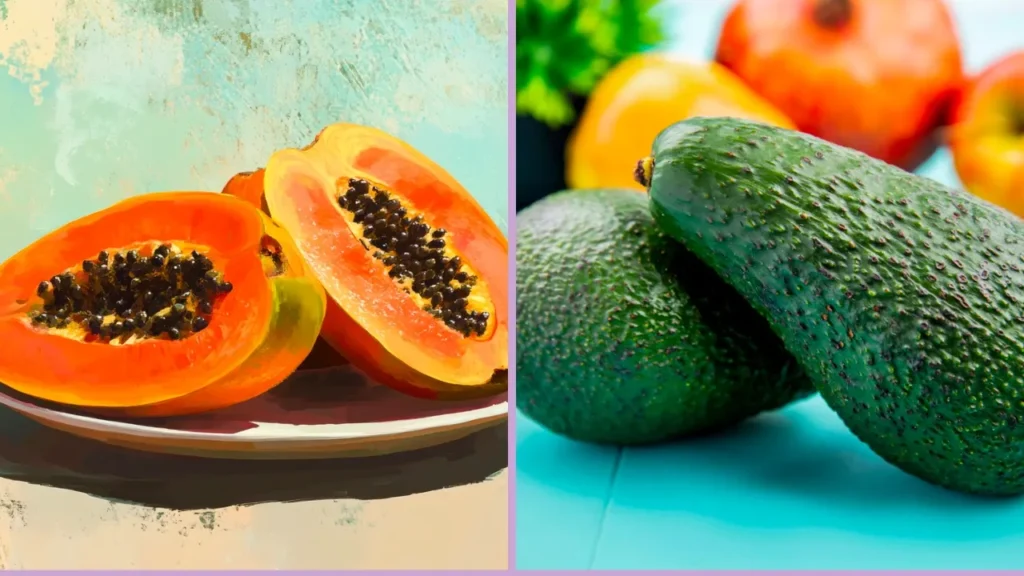
When you compare nutrition, both fruits shine, but in different ways.
Papaya is lower in calories, which makes it a great choice for people who want a light fruit that still feels filling. Because it has a lot of water and fiber, it can help you feel satisfied without adding too many calories.
Avocado is higher in calories, but it brings healthy fats and more staying power. It is the kind of food that can make a simple meal feel complete.
Here’s the simple breakdown:
- Calories: Papaya is lower. Avocado is higher.
- Fiber: Both offer fiber, but avocado may keep you full longer.
- Healthy fats: Papaya has very little fat. Avocado is rich in heart-healthy fats.
- Vitamin C: Papaya is an excellent source.
- Potassium and magnesium: Avocado is usually higher.
- Water content: Papaya is more hydrating.
- Fullness: Avocado often feels more satisfying after eating.
If you want something light and refreshing, papaya may fit better. If you want something rich and filling, avocado may be the stronger choice.
How Each Supports Metabolism
A healthy metabolism is about more than burning calories. It is also about how your body digests food, handles hunger, and keeps energy steady through the day.
Papaya gently supports the body. Its fiber helps support healthy digestion. Its water content can help you feel fresh and comfortable. For some people, papaya may also help with bloating or that heavy feeling after meals. The papain enzyme may help the body break down protein more easily, which can support smoother digestion.
Avocado helps differently. Its mix of healthy fats and fiber slows digestion, which helps food stay with you longer. That means you may feel full for a longer time after eating. When fullness lasts longer, cravings may feel easier to manage, and that can make healthy eating easier.
Papaya helps many people feel lighter. Avocado helps many people feel fuller. Both can support healthy weight goals—it just depends on what kind of support your body needs.
User Experiences and Real-World Insights
Many people enjoy papaya because of how it makes them feel.
Some say they feel lighter after eating it. Others notice less bloating and smoother digestion. For people trying to eat more fiber without feeling heavy, papaya can be an easy daily habit.
Avocado lovers often talk about fullness. They like that it keeps them satisfied for hours. Many also say it helps them avoid constant snacking because meals feel more complete and balanced.
That is where the real difference shows.
Papaya may help you feel light and fresh.
Avocado may help you feel full and steady.
And sometimes, that simple difference can make healthy eating much easier to stick with over time.
The Role of Healthy Fats in Weight Loss
When people start trying to lose weight, one of the first things many do is avoid fat. That sounds smart at first—but not all fat is bad for you.
Your body needs healthy fats. They help support hormones, brain health, and the way your body uses certain vitamins. Healthy fats can also help you feel full after eating, and that can make a big difference when you are trying to manage hunger.
This is where avocado stands out.
Avocado is rich in heart-healthy fats, especially monounsaturated fat. This is the same type of fat found in foods like olive oil. These fats can make meals feel more filling and satisfying. They may also slow digestion in a healthy way, which can help fullness last longer.
When you stay full longer, it often becomes easier to avoid extra snacking and overeating. Over time, that simple habit can help support healthy weight goals.
Papaya works differently.
Papaya is very low in fat, but that does not make it less helpful. It is light, low in calories, rich in water, and naturally contains fiber. That combination can help you feel satisfied while keeping meals lighter.
For people who enjoy fresh, simple foods that do not feel heavy, papaya can be a smart choice.
In simple words, avocado helps by keeping you full longer. Papaya helps by keeping meals light and easy on the body.
Antioxidants and Skin Benefits
Good skin health starts from the inside.
The food you eat gives your body nutrients that help support healthy skin, repair, and natural glow. In this area, both papaya and avocado offer strong benefits.
Papaya is rich in vitamin C and beta carotene. Vitamin C helps your body make collagen, which supports healthy skin. Beta carotene acts like a natural protector by helping the body deal with everyday stress that can affect skin over time.
Papaya is also full of antioxidants. These plant compounds help protect your cells from damage caused by free radicals. Over time, that may help support healthier-looking skin.
Avocado supports skin in a different way.
Its healthy fats help nourish the skin from within. They can help support moisture and keep skin from feeling dry. Avocado also contains vitamin E, which helps protect skin cells and supports overall skin health.
In simple terms, papaya helps refresh the skin. Avocado helps feed and nourish the skin.
Blood Sugar Control With Papaya vs. Avocado
Blood sugar balance matters more than many people realize.
When blood sugar rises and drops too fast, it can leave you feeling tired, hungry, or craving more food soon after eating. That is why steady energy through the day is important for overall health and weight goals.
Papaya is naturally sweet, but it also contains fiber and a lot of water. That combination can help slow how quickly sugar is absorbed, especially when papaya is eaten in a reasonable portion as part of a balanced meal.
For many people, papaya can be a healthier way to enjoy something sweet without reaching for processed snacks.
Avocado works differently.
It is very low in natural sugar and rich in fiber and healthy fats. This combination helps slow digestion and may help keep energy more steady after meals. Many people find that meals with avocado keep them satisfied longer and help reduce sudden hunger.
Here is the simple difference:
Papaya can be a fresh, naturally sweet choice that fits well into a healthy diet.
Avocado can help support steady energy, better fullness, and fewer cravings.
Both can be helpful—it depends on what your body needs most.
Ideal Ways to Add Papaya to Your Daily Diet
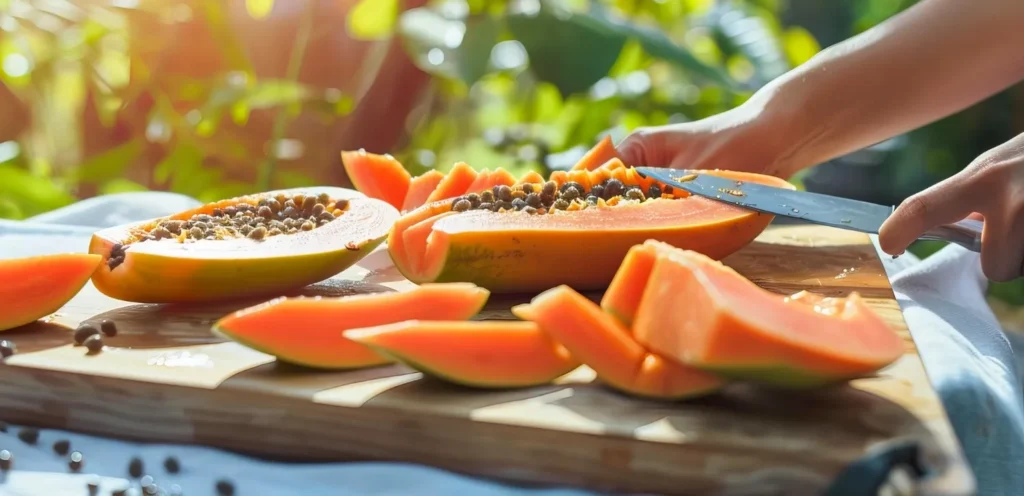
Healthy eating becomes much easier when good food fits naturally into your day. That is one reason papaya can be such a simple choice. It is easy to prepare, easy to eat, and easy on the stomach.
One of the best ways to enjoy papaya is in the morning. A fresh bowl of ripe papaya can feel light, refreshing, and satisfying at the same time. It can also be an easy way to add more fiber and water-rich foods to your diet, which may help support digestion and keep you feeling comfortable through the day.
Papaya also pairs well with other simple foods. Some people enjoy it with plain yogurt, while others add chia seeds, pumpkin seeds, or a few nuts for extra texture and staying power. This can turn a light fruit bowl into a more balanced snack or breakfast.
If you like smoothies, papaya can be a great option there too. Blending ripe papaya with unsweetened yogurt, ice, and a little cinnamon can make a cool, smooth drink that feels fresh without feeling heavy.
Papaya can also work well as an afternoon snack. When sweet cravings hit, a bowl of fresh papaya can be a better choice than reaching for candy, baked snacks, or sugary drinks. Small daily swaps like this often make healthy eating easier to stick with.
The simple idea is this—do not treat papaya like a side fruit. Let it become a smart part of your daily routine.
Ideal Ways to Add Avocado to Your Daily Diet
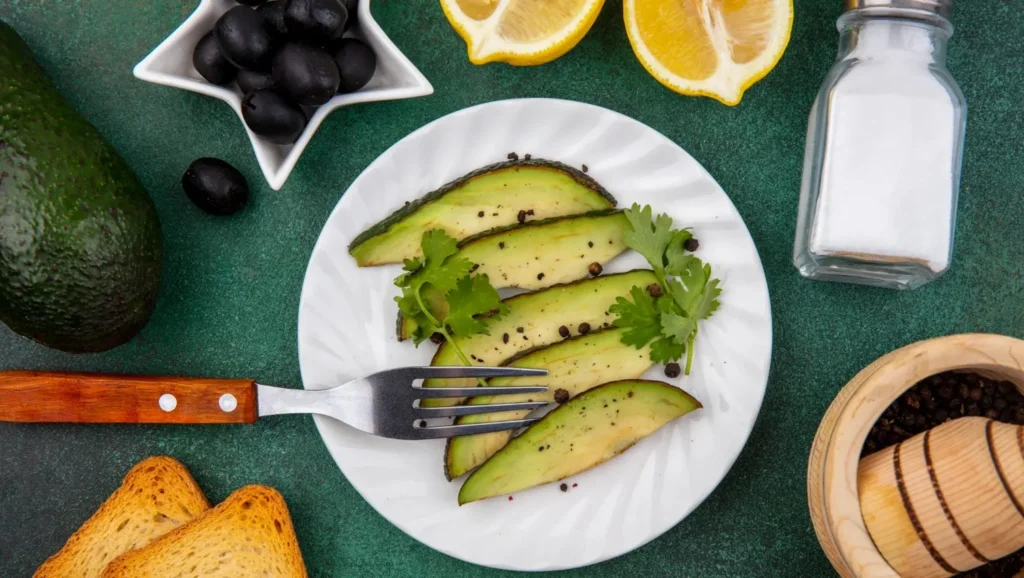
Avocado is different from papaya because it brings richness and staying power to meals. It does more than add flavor—it can make a meal feel complete.
One easy way to enjoy avocado is on whole grain toast. Mashed avocado with a boiled egg, a pinch of black pepper, and a little lemon juice can make a simple meal that feels balanced, filling, and satisfying.
Avocado also fits naturally into salads. Its creamy texture makes fresh vegetables taste better, and its healthy fats can help your body absorb certain nutrients from foods like leafy greens, carrots, and tomatoes. That means your salad may not only taste better—it may also work better for your body.
If you enjoy wraps, sandwiches, or homemade dips, avocado can be a smart addition there too. It can replace spreads like mayonnaise or butter, giving meals a smoother texture while adding healthier fats.
Many people also blend avocado into smoothies for extra creaminess and fullness. It can make a smoothie feel more like a meal, which may help keep hunger away longer.
The best way to think about avocado is simple—it is not just a topping. It is a food that can help make meals stronger, fuller, and more satisfying.
Which Fruit Fits Better Into Your Lifestyle?
At the end of the day, the better fruit depends on how you eat and what your body needs.
If you want something light, refreshing, and naturally sweet, papaya may fit your routine better. It can be a great choice for people who want a fruit that feels easy, supports digestion, and adds natural sweetness without feeling heavy.
If you want something rich, filling, and more satisfying, avocado may be the stronger pick. It can help meals feel complete, support fullness, and make it easier to manage hunger between meals.
For many people, the best choice may not be one or the other. It may be both.
Papaya can be a great morning fruit or afternoon snack. Avocado can be a smart addition to lunch or dinner when you want meals to keep you full longer.
Sometimes the healthiest choice is not picking one winner. It is learning how to use both in a way that fits your lifestyle.
That is what makes healthy eating easier—and easier habits are often the ones that last.
Potential Risks or Side Effects of Papaya and Avocado
It is important to understand the downsides of healthy foods too. Just because a food is packed with nutrients does not always mean it is the perfect fit for everyone. The way your body responds can depend on how much you eat, your digestion, food sensitivities, and your overall eating habits.
Papaya is often seen as a light and digestion-friendly fruit. For many people, it feels easy on the stomach and refreshing to eat. But eating a large amount at one time may cause stomach discomfort in some people. Because papaya contains fiber and natural digestive enzymes, too much may lead to loose stools, bloating, or stomach upset, especially in people with sensitive digestion.
Unripe green papaya is different from ripe papaya. It contains more latex, and that may cause problems for some people, especially those who have a latex allergy. Some people may also feel stomach discomfort after eating green papaya.
Avocado brings a different concern.
It is rich in healthy fats, but it is also higher in calories than many fruits. That does not make avocado unhealthy—it simply means portion size matters. Eating large amounts often, especially with other high-calorie foods like nuts, oils, creamy dressings, or heavy snacks, may quietly increase total calorie intake.
Over time, that can make weight goals harder to reach if the rest of the diet is not balanced. The simple lesson is this—healthy food still works best in the right amount.
When to Be Careful With Papaya
Papaya has many benefits, but there are a few things to keep in mind.
Eating very large portions may upset digestion in some people. Those with sensitive stomachs may notice bloating, stomach cramps, or loose stools if they eat too much at once.
People with latex allergies may also need to be careful, especially with unripe papaya, because it may trigger a reaction in some cases.
For most people, ripe papaya in a moderate amount is usually the better choice.
In short, papaya is gentle for many people—but too much of anything can still cause problems.
Avocado Is Healthy, but Portion Size Matters
Avocado is rich, filling, and packed with healthy fats, but because it is calorie-dense, eating the right amount matters.
A moderate serving often fits best into a balanced diet. For many people, that may be around half an avocado or about one small avocado in a day, depending on the rest of their meals.
Problems usually happen when avocado is added on top of an already high-calorie eating pattern. If someone is also eating large amounts of nuts, oils, creamy foods, and processed snacks, calories can add up quickly without being noticed.
Healthy fats are good for the body—but healthy fats still contain calories.
The key is balance, not overdoing it.
Expert Insights and What Research Still Does Not Fully Confirm
Papaya and avocado both deserve their healthy reputation. They offer fiber, vitamins, antioxidants, minerals, and plant compounds that support overall health. Much of that is supported by nutrition research.
But there is one important thing to understand—viral health claims are not always the same as proven science.
For example, there is no strong evidence that papaya directly melts belly fat. There is also no proof that avocado instantly burns body fat. These foods can support healthy eating, but they are not magic shortcuts.
What research does support is simple.
Foods rich in fiber, healthy fats, and important nutrients can help support fullness, better eating habits, and overall health. Over time, those habits may support healthy weight goals.
Real body change usually comes from the full picture—daily food choices, sleep, movement, stress levels, and long-term habits.
Papaya and avocado can both be powerful foods. But they work best as part of a healthy lifestyle, not as quick fixes.
Final Verdict: Papaya vs. Avocado
So after comparing papaya and avocado in detail, which one is actually better for your health goals?
The honest answer is simple—there is no single winner for everyone. It depends on what your body needs and what your daily routine looks like.
Papaya is a great choice if your focus is on light eating and better digestion. It is low in calories, high in water, and naturally rich in fiber. It can help you feel refreshed, support smoother digestion, and satisfy sweet cravings in a healthier way. If you prefer foods that feel light and easy on your stomach, papaya can fit very well into your daily diet.
Avocado is better suited for people who want more fullness and longer-lasting energy. It is rich in healthy fats and fiber, which can help you stay full for a longer time after meals. It may also help reduce frequent snacking and make meals feel more complete and satisfying.
In simple terms, papaya helps you feel light and clean after eating. Avocado helps you feel full and steady for longer hours.
Best Way to Use Both in Your Diet
Instead of choosing only one, many people get better results by using both fruits in a smart way.
Papaya can be a great option in the morning or as a light snack during the day. It keeps your diet fresh, simple, and easy to digest.
Avocado can fit better into meals like lunch or dinner, where you need more fullness and balance. It can help turn a simple meal into something more satisfying and long-lasting.
When used together in the right way, both fruits can support a balanced and healthy eating pattern.
Final Takeaway
Papaya and avocado are both healthy, but they serve different purposes.
- Papaya = light, refreshing, digestion-friendly
- Avocado = filling, rich, long-lasting energy
The best choice is not about which fruit is “better” overall. It is about which one supports your lifestyle, your comfort, and your health goals.
If you use them wisely, both can be a simple and powerful part of a healthy daily diet.
FAQs:
Is papaya better than avocado for losing weight?
Papaya is lower in calories and feels lighter, while avocado helps you stay full longer. Both can support weight goals in different ways.
Can papaya and avocado be eaten together every day?
Yes, you can include both in your daily diet as long as portion sizes are balanced and your overall meals are healthy.
Does avocado really burn belly fat?
Avocado does not directly burn fat, but it can help control hunger, which may support better weight management.
Is papaya good for daily digestion support?
Yes, papaya is light, hydrating, and contains fiber that may help support smoother digestion when eaten regularly.
Which fruit works better for a low-calorie diet?
Papaya is usually a better choice for low-calorie diets because it has fewer calories and higher water content.
Can papaya or avocado replace a full meal?
No, these fruits are best used as part of a balanced diet, not as complete meal replacements.










Leave a comment