




In recent years, one topic has started appearing everywhere in health conversations: GLP-1. Doctors discuss it when talking about weight management. Nutrition experts mention it when explaining appetite control. And people interested in metabolic health are suddenly searching for foods and habits that support it.
Part of the attention comes from new medications that work through GLP-1 pathways. But the science behind this hormone has been studied for years. Researchers have long known that GLP-1 plays an important role in how the body manages hunger, digestion, and blood sugar levels.
Because of this, the idea of a “GLP-1 diet” has started gaining attention. It does not mean following a strict meal plan. Instead, it focuses on eating patterns and foods that naturally support the body’s GLP-1 response.
Understanding how this hormone works can help people make sense of appetite changes, cravings, and blood sugar balance. And for many adults, learning about GLP-1 offers a new way to think about nutrition and long-term metabolic health.
What Is the GLP-1 Diet?
The GLP-1 diet focuses on foods and eating habits that support the body’s natural production of GLP-1, a hormone that helps regulate hunger, digestion, and blood sugar levels.
GLP-1 stands for glucagon-like peptide-1. It is a hormone released in the intestines after you eat. Its job is to send signals that help the body process food and control appetite.
When GLP-1 levels rise after a meal, several helpful things happen. The brain receives signals that the body is becoming full. The stomach slows down digestion. And the body adjusts insulin levels to keep blood sugar steady.
The idea behind the GLP-1 diet is simple: certain foods and eating habits may support these natural signals. Instead of forcing strict calorie limits, the goal is to help the body feel satisfied and maintain stable energy levels throughout the day.
How GLP-1 Controls Hunger
GLP-1 helps control hunger by sending fullness signals to the brain, slowing stomach emptying, and reducing the urge to keep eating after a meal.
When food enters the digestive system, the intestines release GLP-1 into the bloodstream. This hormone travels to the brain, especially areas that regulate appetite. The brain then receives a message that food has been consumed and that the body is becoming satisfied.
At the same time, GLP-1 slows the speed at which food leaves the stomach. Because digestion takes longer, people often feel full for a longer period of time. This can naturally reduce the desire to snack frequently or overeat.
Another effect involves cravings. Many people notice that when appetite signals are balanced, cravings for highly processed or sugary foods may decrease. Instead of constant hunger, the body begins to recognize more stable patterns of eating.
Ways GLP-1 reduces hunger include:
- Slower stomach emptying
- Stronger fullness signals sent to the brain
- Reduced cravings for high-calorie foods
These combined effects explain why GLP-1 has become a major topic in conversations about appetite control and weight management.
How GLP-1 Helps Control Blood Sugar
GLP-1 helps regulate blood sugar by supporting insulin release after meals and reducing excess glucose production from the liver.
After eating, blood sugar naturally rises as carbohydrates break down into glucose. The body responds by releasing insulin, a hormone that helps move glucose from the bloodstream into cells for energy.
GLP-1 plays an important supporting role in this process. It signals the pancreas to release insulin when glucose levels rise after a meal. At the same time, it reduces the release of another hormone that normally increases blood sugar levels.
Another helpful effect involves the liver. GLP-1 signals can reduce how much glucose the liver releases into the bloodstream, especially after eating.
The result is often more stable blood sugar levels, rather than large spikes followed by energy crashes.
Stable blood sugar is important for many aspects of health. It can help support steady energy, balanced appetite signals, and long-term metabolic health.
Why the “GLP-1 Diet” Is Trending
Interest in the GLP-1 diet has grown quickly as more people learn about the connection between hormones, appetite, and metabolic health.
For many years, weight management advice focused mostly on calorie counting. But scientists now understand that hormones play a major role in how hungry people feel and how the body processes food.
GLP-1 has become one of the most discussed hormones because of its powerful role in appetite regulation and blood sugar balance. When people hear about how it affects fullness signals and digestion, it naturally sparks curiosity.
Another reason for the trend is the growing focus on metabolic health. Instead of simply aiming for short-term weight loss, many adults are now interested in long-term strategies that support energy balance, healthy eating patterns, and blood sugar stability.
Social media and health news coverage have also helped bring the topic into everyday conversations. People are increasingly asking questions like the following:
- What foods support GLP-1?
- Can eating habits influence hunger hormones?
- How does digestion affect appetite?
The GLP-1 diet concept attempts to answer these questions by focusing on nutrition patterns that support the body’s natural signals of hunger and fullness.
Foods That Support Natural GLP-1 Activity
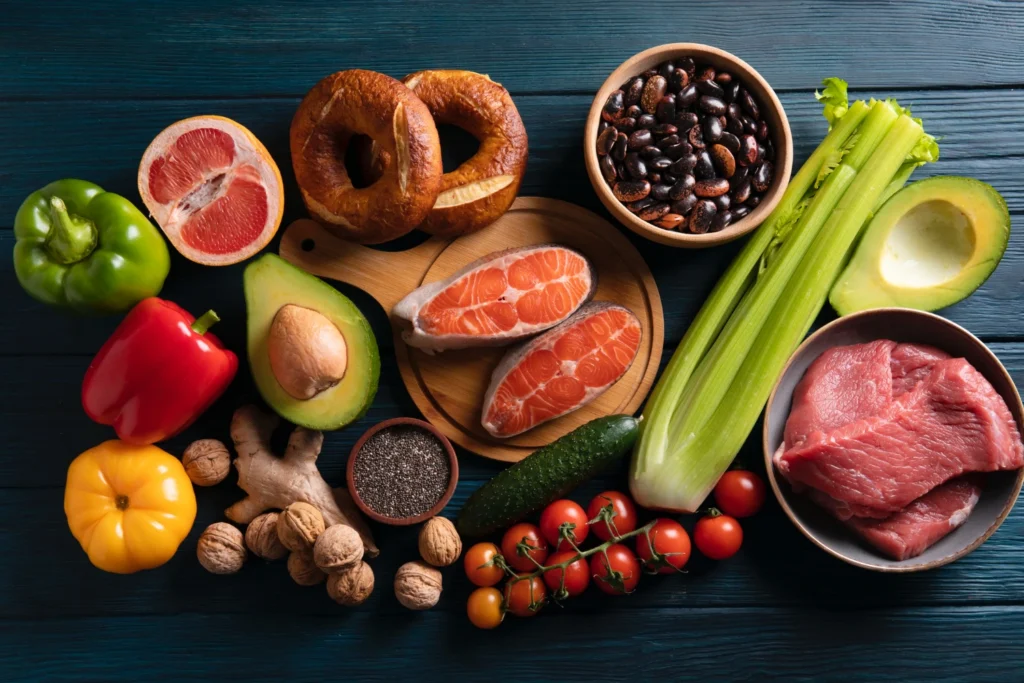
Certain foods appear to encourage stronger satiety signals and slower digestion, which may support natural GLP-1 activity.
Below is a simple overview of foods commonly included in a GLP-1-friendly eating pattern.
| Food Type | Examples | Why It Helps |
|---|---|---|
| Protein foods | eggs, fish, Greek yogurt | improves fullness and supports appetite control |
| Fiber-rich foods | beans, oats, vegetables | slows digestion and supports steady energy |
| Healthy fats | avocado, nuts, olive oil | helps maintain longer-lasting satiety |
Protein is especially important. It stimulates hormones that signal fullness and can help reduce hunger later in the day.
Fiber also plays a key role. Foods rich in fiber move slowly through the digestive system, which may support satiety and stable blood sugar levels.
Healthy fats add another layer of balance. They slow digestion and help meals feel more satisfying, which may reduce the urge to snack between meals.
Together, these foods create meals that support both appetite control and steady energy.
Eating Habits That Work Well With GLP-1
Food choices matter, but eating habits can also influence how the body responds to meals.
The body releases GLP-1 naturally during digestion. Certain habits may help support this process by allowing the body time to recognize fullness signals and manage blood sugar more effectively.
For example, eating slowly gives the brain time to receive satiety signals. If meals are rushed, people may eat more than their body actually needs before the brain registers fullness.
Balanced meals can also make a difference. Combining protein, fiber, and healthy fats helps digestion move at a steady pace. This pattern supports longer-lasting energy rather than quick spikes followed by crashes.
Hydration plays a role as well. Adequate fluid intake helps digestion function smoothly and supports overall metabolic processes.
Healthy habits that support GLP-1 signals include:
- Eating balanced meals that include protein and fiber
- Taking time to eat slowly
- Avoiding long periods without food
- Drinking enough water throughout the day
These habits may seem simple, but together they create conditions that help the body regulate hunger and energy more effectively.
Common Mistakes People Make on a GLP-1 Diet
Because the GLP-1 diet concept is still new to many people, misunderstandings can sometimes occur.
One common mistake is eating too little protein. Protein helps trigger fullness signals and supports stable energy levels. When meals lack protein, people may feel hungry again soon after eating.
Another mistake is skipping meals. Long gaps between meals can lead to intense hunger later in the day, which may increase the chances of overeating.
Food quality also matters. Some people focus only on calorie reduction while still eating large amounts of ultra-processed foods. These foods often digest quickly and may not support long-lasting satiety.
Instead of strict rules, most experts recommend focusing on balanced meals that include whole foods, fiber, and adequate protein.
The goal is not perfection but creating eating patterns that help the body maintain stable appetite signals.
Who May Benefit From a GLP-1 Style Diet
A GLP-1-style eating approach may be useful for adults who want to improve appetite control and support metabolic health.
People interested in weight management often find this approach helpful because it focuses on fullness and balanced energy rather than extreme calorie restriction.
Adults concerned about blood sugar stability may also benefit from meals that combine protein, fiber, and healthy fats. These foods digest more slowly and may help reduce large swings in energy levels.
Another group includes people who are learning about insulin resistance or early metabolic changes. Understanding how hormones influence hunger can make it easier to develop sustainable eating habits.
However, a GLP-1 diet is not a medical treatment. Individual nutrition needs vary, and anyone with specific health concerns should consult a qualified healthcare professional for personalized advice.
Expert Insight: Why GLP-1 Is a Focus in Metabolic Health Research
Endocrinologists and metabolic health researchers have studied GLP-1 for many years because of its role in appetite signals, digestion, and blood sugar regulation.
Research has shown that hormones released during digestion play a major role in how the body processes food and manages energy balance. GLP-1 is one of the key hormones involved in this system.
Because of these effects, scientists continue to explore how GLP-1 influences appetite, insulin activity, and long-term metabolic health. This growing body of research has helped explain why nutrition strategies that support natural satiety signals may be helpful for many people.
The increasing attention around GLP-1 reflects a broader shift in health science. Instead of focusing only on calories, experts are paying closer attention to the complex ways hormones influence hunger, metabolism, and overall health.
Understanding GLP-1 offers a clearer picture of how the body naturally manages hunger and blood sugar. By focusing on balanced meals, nutrient-dense foods, and supportive eating habits, many people can work with these natural signals to build healthier and more sustainable nutrition patterns.
FAQs:
What does GLP-1 do in the body?
GLP-1 is a hormone that the gut releases after you eat. It helps regulate appetite, slows digestion, and supports insulin release. These effects can help people feel full longer and maintain more stable blood sugar levels after meals.
What foods help support natural GLP-1 activity?
Foods that support natural GLP-1 responses usually include protein, fiber, and healthy fats. Examples include eggs, fish, beans, oats, vegetables, nuts, avocado, and Greek yogurt. These foods digest more slowly and help promote fullness.
Is the GLP-1 diet the same as taking GLP-1 medications?
No. A GLP-1 diet focuses on eating habits and foods that may support the body’s natural hormone responses. GLP-1 medications are prescription treatments that work on the same hormonal pathway but are used under medical supervision.
Can the GLP-1 diet help with weight management?
Some people find that eating patterns that support GLP-1 signals help with appetite control and feeling satisfied after meals. This may make it easier to manage portion sizes and maintain balanced eating habits over time.
Disclaimer
This content is meant to provide general health information. It is not intended to diagnose, treat, or replace advice from a licensed healthcare professional. For guidance related to your personal health, medical condition, or diet plan, it is best to speak with a qualified doctor or registered healthcare provider.









Leave a comment