





Key Takeaways
- • Earbuds sit inside the ear canal, which can increase pressure and may lead to wax buildup over time.
- • Over-ear headphones stay outside the ears but can feel bulky and uncomfortable, especially if you sleep on your side.
- • Headband-style headphones distribute pressure evenly and are generally the most comfortable option for sleeping.
You lie in bed, and the room is completely quiet, but your mind behaves in the exact opposite way. Small things from the day start coming back—unfinished tasks, random conversations, or thoughts that appear for no clear reason.
And the more silence there is, the louder your mind begins to feel.
In moments like this, sleep doesn’t come naturally. You need a little help. So you pick up your headphones, play a calm song, and slowly the music shifts your focus. Your thoughts begin to slow down, your body relaxes, your breathing becomes steady, and sleep starts to feel closer.
This habit feels simple, and honestly, it works for many people. But there’s one thing most people don’t notice—while you are asleep, your ears are still active.
And that’s where the real question begins:
Is listening to music while sleeping with headphones actually safe, or is it a habit that can slowly create problems over time?
What Happens When You Sleep With Headphones On?
Sleep doesn’t mean everything completely shuts off. Your body rests, your muscles relax, and your awareness decreases. But your brain continues to process certain things—especially sound.
When you fall asleep with headphones on, the music doesn’t completely stop for your brain. It continues to be processed at a low level, especially during lighter stages of sleep. That’s why certain sounds can still disturb you or sometimes even influence your dreams.
Another important point is control. When you are awake, you naturally adjust things—lower the volume, change your position, or remove discomfort. But during sleep, you lose that control. The music keeps playing, pressure remains, and your ears don’t get a proper break.
Over time, these small factors can start to add up. Ongoing sound exposure, earbud blockage, and pressure from sleeping on your side can gradually lead to long-term effectseffects.
Is It Actually Safe or Not?
Before going deeper into risks, it’s important to understand the basic truth.
The straightforward answer is that sleeping with headphones can be safe—but only if you use them the right way.
For many people, this habit is helpful. It calms the mind, reduces overthinking, and makes it easier to fall asleep. At this level, it is generally safe.
But the problem begins when the habit becomes uncontrolled. If the music plays all night, the volume is too high, or the earbuds create pressure, small issues can begin to build over time.
The simple truth is this: safety depends on how you use it. Use it properly, and it can be both safe and helpful. Use it carelessly, and it can slowly lead to problems.
Potential Risks You Should Know
Even though the habit feels harmless at first, there are a few things you shouldn’t ignore.
At the beginning, everything feels normal. You don’t notice any major issues. But over time, small problems can start to develop.
Continuous sound exposure can make your ears feel tired. Using earbuds can increase the risk of earwax buildup, as wax may get pushed inward instead of naturally moving out.
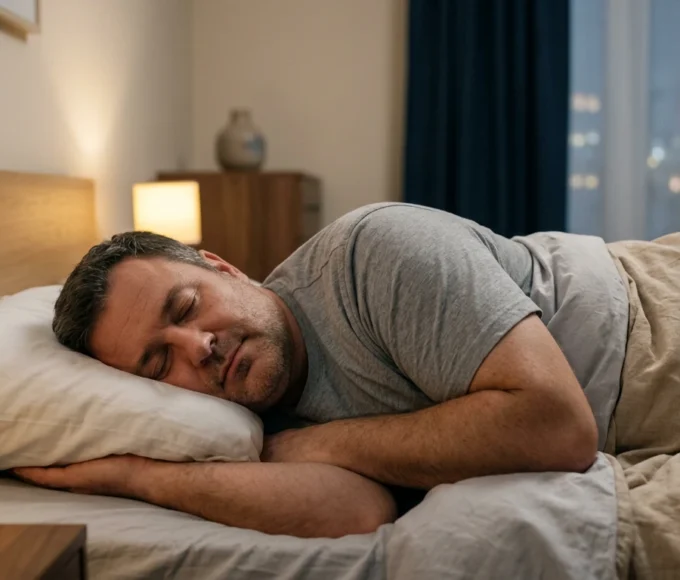
If you sleep on your side, headphones or earbuds can apply constant pressure to one area. This can lead to ear pain or even occasional headaches.
Wired headphones can also create tangling risks, which may cause discomfort during sleep. These issues may seem minor, but if ignored, they can gradually become more noticeable.
Can Sleeping With Headphones Cause Headaches?
Among these risks, one of the most common complaints people notice is headaches. If you sometimes wake up with a mild headache or ear discomfort, your headphones could be a contributing factor.
Headaches are usually not caused by the music itself, but by pressure and positioning. When you sleep on your side and there is constant pressure on your ear, it can slightly affect blood flow and nerve sensitivity.
If this continues regularly, it can gradually trigger headaches. This is more likely if the earbuds are hard, the headphones fit tightly, or you sleep in the same position every night.
If you notice consistent discomfort, it’s important not to ignore it. It’s an early sign that your setup needs adjustment.
Can Headphones Damage Your Hearing Over Time?
While physical discomfort is one concern, long-term hearing impact is something many people overlook.
Hearing damage doesn’t happen overnight—it develops gradually. The biggest factors are volume and duration.
When you sleep with headphones, your ears are exposed to sound for several hours. Even if the volume feels moderate, long exposure over time can have an impact.
That’s why control is essential. Keeping the volume low and avoiding all-night playback are simple but effective steps.
In simple terms, hearing damage is possible—but mainly when usage is uncontrolled. With proper use, the risk stays relatively low.
How the 60/60 Rule Protects Your Hearing at Night
Simple daily habits can help lower this risk effectively.
One of the most common mistakes people make while using headphones at night is losing control over volume and duration. Once you fall asleep, you’re no longer aware of how long the music is playing.
To solve this, experts suggest a simple guideline—the 60/60 rule. This means the volume should not exceed 60% of the maximum, and continuous listening should not go beyond 60 minutes.
It may sound simple, but it is highly effective for protecting your hearing over time. At night, it becomes even more important because you’re not consciously managing your listening.
If you want to be extra safe, you can make it stricter—keeping the volume around 30–40% and using a sleep timer is often the best combination.
Earbuds vs Over-Ear vs Headband Headphones (Which Is Safer?)
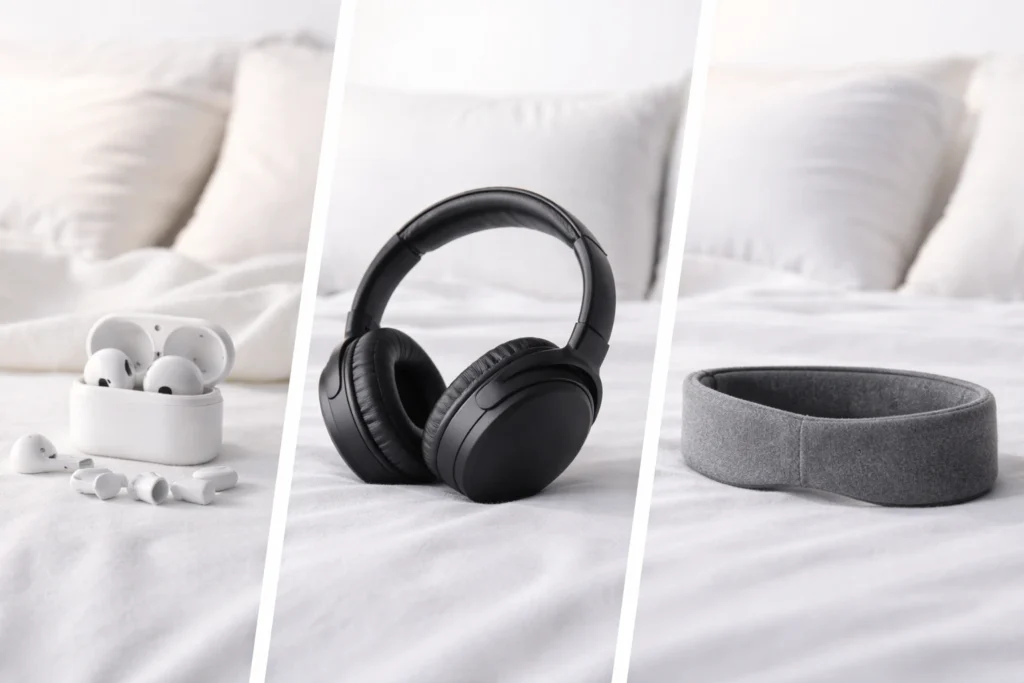
Beyond volume and timing, the type of headphones you use also matters. Not all headphones offer the same experience when it comes to sleep. Comfort and pressure levels vary significantly between types.
Earbuds are convenient, but they sit inside the ear canal. This can increase pressure and the risk of wax buildup over time.
Over-ear headphones rest outside the ear, but their bulky design can make them uncomfortable, especially for side sleepers.
Headband headphones are specifically designed for sleep. They are soft and flat, allowing pressure to be distributed more evenly.
From a comfort perspective, headband headphones are generally the safest choice, over-ear headphones fall in the middle, and earbuds are the least comfortable for long sleep sessions.
Is Sleeping With Bluetooth Headphones Bad?
As technology evolves, many people now use wireless devices, which brings another common question.
Bluetooth headphones are generally considered safe. The low-level radiation they emit is not regarded as harmful under normal usage conditions.
The real concern comes from how they are used. Extended use can create slight warmth, and continuous contact with the ear can lead to discomfort.
If you use a sleep timer, avoid tight-fitting devices, and prevent all-night usage, this habit can remain safe. In simple terms, the issue is not Bluetooth itself—it’s the way you use the device.
Does Sleeping With Headphones Affect Brain or Sleep Quality?
Now, beyond physical effects, it’s also important to consider what happens to your sleep itself. Music can be helpful at the beginning of sleep. It calms the mind and makes it easier to drift off.
However, once you are asleep, your brain does not completely ignore sound. Continuous music can keep your sleep in a lighter state.
Stable sounds like white noise tend to work better, while music with lyrics or changing patterns may disrupt deeper sleep stages.
That’s why the best approach is to use music as a tool to fall asleep, not something that plays throughout the entire night.
Why All-Night Music Playback Can Be a Problem
This is where many people often make mistakes without realizing it.
If music continues playing all night, your ears don’t get proper rest. Even at low volume, long exposure can gradually create an impact. Over time, you may notice a sense of heaviness, slight discomfort, or changes in sound sensitivity.
From a sleep perspective, it’s also not ideal, because the brain continues to process background sound. That’s why it’s better to use music only as a way to initiate sleep, rather than letting it run the entire night.
Safe Ways to Listen to Music While Sleeping
The good news is—you don’t have to completely give up this habit.
There’s no need to avoid music—you just need to use it wisely. Keep the volume low, use a sleep timer, and choose comfortable headphones that don’t create pressure.
It’s also important to keep your earbuds clean to reduce the risk of irritation or infection. Small habits like these make a big difference in long-term safety.
How to Sleep With Headphones Without Discomfort
Along with safety, comfort plays an equally important role.
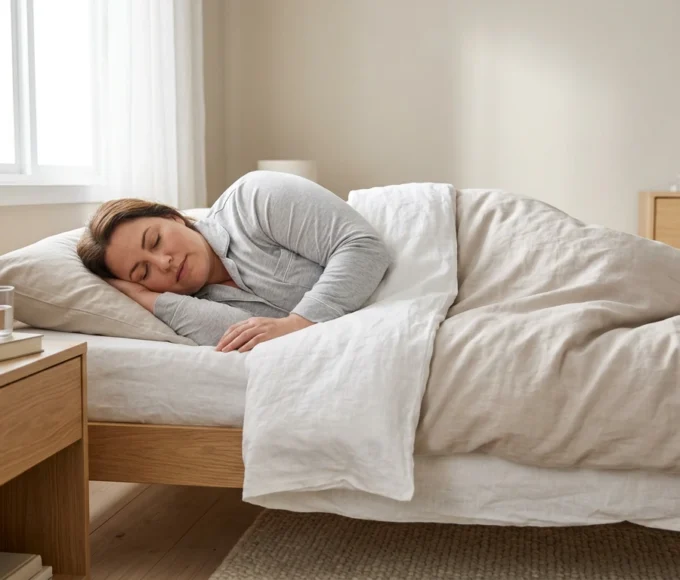
Comfort is one of the most important factors. Sleeping on your back is the safest option, as it avoids direct pressure on your ears.
If you are a side sleeper, choosing soft headphones and adjusting your pillow can help reduce pressure.
Avoid sleeping on the same side continuously. When your setup is comfortable, you can enjoy music without unnecessary discomfort.
Better Alternatives to Headphones at Night
If you want to take things a step further, there are safer alternatives worth considering. If you want to reduce risk even further, there are good alternatives that don’t involve wearing headphones.
You can use a low-volume speaker, allowing sound to spread gently throughout the room. White noise and nature sounds are also effective, as they are stable and less likely to disrupt sleep. These options avoid direct pressure on your ears, making them better for long-term use.
Should You Do It or Avoid It?
After understanding all sides, the conclusion becomes clear.
Sleeping with headphones can be safe, but only if you use them with control. If you keep the volume low, avoid playing music all night, and focus on comfort, this habit can be both safe and helpful.
But if you use them carelessly, listen at high volumes, or ignore discomfort, problems can slowly develop over time.
The best approach is to treat music as a tool to fall asleep—not something you depend on all night. If you’re doing this tonight, just make one small change—lower the volume and set a timer.
FAQs:-
Is it bad to sleep with headphones on at low volume?
Sleeping with headphones at a low volume is generally safe for short periods. The key is to avoid continuous all-night listening and keep the sound at a comfortable, non-stimulating level.
Can sleeping with headphones damage your ears?
It can cause problems over time if used incorrectly. Long exposure, high volume, or tight earbuds may lead to ear discomfort, wax buildup, or gradual hearing strain.
Is it safe to use Bluetooth headphones while sleeping?
Bluetooth headphones are usually safe when used properly. The main concern is not the technology itself, but how long and how tightly it is worn during sleep.
Can headphones cause headaches during sleep?
Yes, they can in some cases. Pressure on the ears, especially for side sleepers, can lead to mild headaches or discomfort if the headphones are not designed for sleeping.
What is the safest way to listen to music while sleeping?
The safest approach is to keep the volume low, use a sleep timer, and choose soft or sleep-friendly headphones. This reduces both pressure and long-term exposure risks.




Leave a comment