




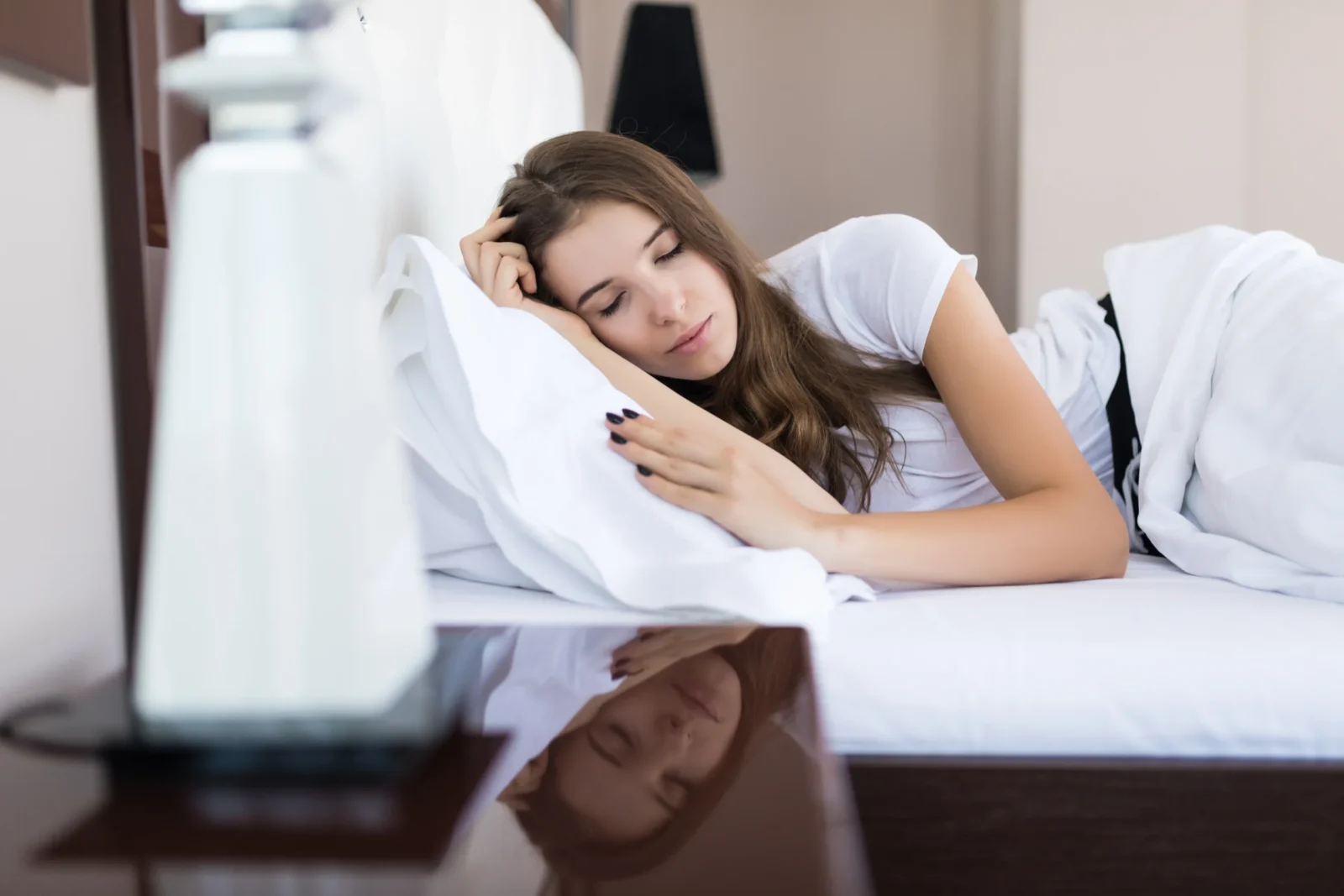
Most nights don’t end the way we plan. You tell yourself you’ll go to sleep early, then somehow it’s midnight. The lights are off, your phone is face down, but your mind is still wide awake. That’s usually when people start wondering what the best time to go to sleep is for a deep sleep, not out of curiosity, but because they’re tired of waking up feeling exhausted.
Deep sleep doesn’t just depend on how long you sleep. It depends on when your body is ready to rest.
Why “going to bed earlier” doesn’t always work
A lot of sleep advice sounds simple: just sleep earlier. But anyone who has tried it knows it’s not that easy. You can lie in bed at 9 p.m. and still feel alert, restless, or oddly wired.
That’s because sleep isn’t a switch. It’s a rhythm.
Your body follows an internal clock that decides when it feels safe to power down. When bedtime doesn’t line up with that rhythm, deep sleep becomes harder to reach.
This is why forcing an early bedtime often leads to:
- Tossing and turning
- Checking the clock repeatedly
- Feeling frustrated instead of relaxed
Deep sleep needs cooperation, not pressure.
The quiet window when deep sleep comes easier
For most adults, there’s a natural window in the evening when sleep feels heavier. Eyelids droop. Thoughts slow. The couch suddenly feels too comfortable to leave.
That window matters.
When you go to bed during this natural dip:
- You fall asleep faster
- Sleep feels deeper earlier in the night
- Waking up feels less abrupt
Miss that window, and your body can shift into a second wind. That’s when scrolling, snacking, or working late suddenly feels doable again—even though you’re tired.
Why deep sleep loves the earlier part of the night
Deep sleep tends to show up more in the first half of the night. That doesn’t mean late sleepers never get it—but it often means they get less of it.
Earlier bedtimes usually allow:
- Longer stretches of uninterrupted deep sleep
- Better physical recovery overnight
- A steadier heart and breathing rhythm
This is why people who sleep from 10 p.m. to 6 a.m. often feel more rested than those who sleep from midnight to 8 a.m., even with the same total hours.
It’s not about discipline. It’s about timing.
The problem with chasing the “perfect” bedtime
Some people fixate on exact times—10 p.m., 10:30, 11 sharp. But deep sleep doesn’t follow a rulebook. Stress, light exposure, meals, and daily habits all shift the body’s readiness for rest.
A rigid bedtime can backfire if:
- You’re not sleepy yet
- You feel pressure to fall asleep
- You associate bed with frustration
Deep sleep responds better to consistency than perfection.
What your evenings are really telling your brain
Your brain decides whether it’s safe to sleep based on signals, not intentions. Bright lights, loud sounds, heavy meals, and emotional conversations all tell your system to stay alert.
Evenings that support deep sleep usually feel:
- Predictable
- Slightly boring
- Low-stakes
This doesn’t mean you need a strict routine. It means your nervous system likes clues that the day is ending.
Screens don’t ruin sleep—but timing matters
Screens get blamed for everything, but the real issue isn’t the screen itself. It’s what your brain is doing while using it.
Late-night scrolling often involves:
- Rapid information
- Emotional reactions
- Constant decision-making
That keeps the mind active, even when the body is tired. If screens push bedtime later than your natural window, deep sleep can shrink.
Some people notice improvement just by:
- Dimming screens
- Switching to calmer content
- Stopping earlier, not perfectly
Meals can quietly delay deep sleep
Eating close to bedtime doesn’t ruin sleep for everyone. But digestion is work. When it overlaps with sleep onset, deep rest can be lighter or delayed.
Late meals may lead to:
- Feeling too full to relax
- More waking at night
- Restlessness in the early hours
Spacing dinner a bit earlier often helps the body settle faster once you lie down.
Stress doesn’t care what time it is
One of the biggest barriers to deep sleep isn’t bedtime—it’s unresolved stress. When the mind finally gets quiet at night, worries step forward.
This is why some people feel:
- Calm all day, anxious at night
- Exhausted but mentally alert
- Sleepy until they hit the bed
Deep sleep comes easier when stress has somewhere else to go before bedtime—writing, light movement, or simply sitting without stimulation.
Why consistency beats sleeping in
Sleeping in feels helpful, but it can push your natural bedtime later the next night. That can slowly shift your deep sleep window out of reach.
Consistent wake times help:
- Anchor your internal clock
- Make evenings feel sleepier
- Protect deep sleep cycles
This doesn’t mean never sleeping in. It means not relying on it to fix exhaustion.
The emotional side of bedtime avoidance
Sometimes staying up late isn’t accidental. It’s the only quiet time of the day. The only space that feels personal.
This “revenge bedtime” pattern is common, especially with busy or stressful days.
It can look like:
- Delaying sleep even when tired
- Using nights for control or comfort
- Feeling resentful about mornings
Deep sleep improves when evenings don’t feel like something is being taken away.
What actually helps you find your best bedtime
Instead of choosing a time on the clock, notice patterns.
Ask yourself:
- When do I naturally feel sleepy?
- When do I get a second wind?
- When do I wake feeling most rested?
For many adults, the best time to go to bed for deep sleep ends up being somewhere between 9:30 and 11 p.m.—but your body will tell you if you listen.
Small shifts that often make a big difference
You don’t need a full sleep overhaul. Gentle changes work better.
Some people benefit from:
- Moving bedtime earlier by 15 minutes
- Keeping lights lower after dinner
- Creating a short “wind-down gap” before bed
Deep sleep builds quietly when your body feels safe and unhurried.
When sleep still feels shallow no matter what
If bedtime changes don’t help, it doesn’t mean you’re doing something wrong. Sleep is influenced by health, stress, environment, and life stage.
Persistent issues may be linked to:
- Ongoing anxiety
- Pain or discomfort
- Hormonal changes
In those cases, support matters more than self-optimisation.
Letting sleep come to you
Deep sleep can’t be chased. It arrives when the body feels ready. Your job isn’t to force it—it’s to create space for it.
Some nights will still be restless. Some mornings will still feel heavy. Over time, though, aligning bedtime with your body’s rhythm often makes sleep feel less like work and more like rest.
And that’s usually when deep sleep starts showing up again.
Medical Disclaimer
This article is for general informational purposes only and does not replace medical advice. If you have ongoing sleep problems, fatigue, or health concerns, a qualified healthcare professional can help guide personalised care.








Leave a comment