




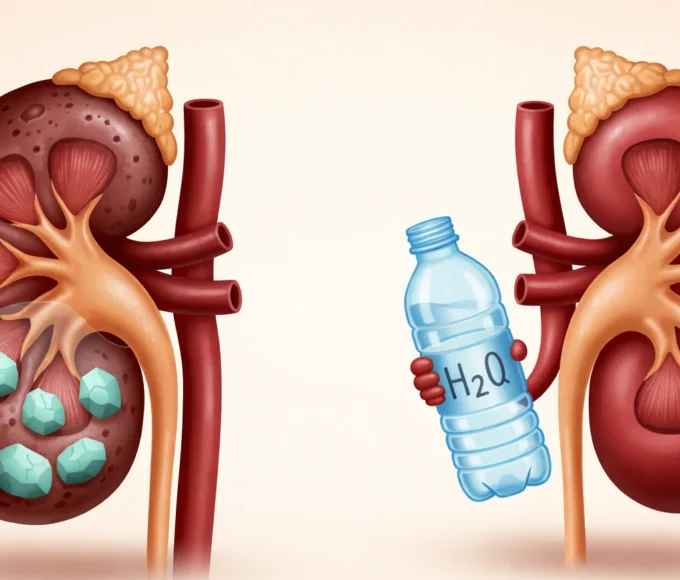
Your kidneys function silently every day, and most people rarely think about them until a problem arises. But these two small organs play a big role in keeping your body healthy.
Your kidneys remove waste and excess fluids from your bloodstream. They also help balance important minerals and keep your body’s systems working smoothly.
As people get older, kidney function can slowly change. This is a normal part of aging. After age 40, it becomes even more important to take care of habits that support kidney health.
Some everyday lifestyle habits may quietly put extra pressure on the kidneys over time. The good news is that small daily changes may help protect kidney health for many years.
What Daily Habits Can Harm Your Kidneys After 40?
Several daily habits may place extra stress on the kidneys after age 40. These may include frequent use of certain pain relievers, not drinking enough water, eating too much salt, extremely high protein intake, and regularly delaying bathroom visits.
Many people do these things without realizing the possible effects. Over time, these habits may increase the workload on the kidneys. Paying attention to simple lifestyle choices can help support healthy kidney function.
Why Kidney Health Matters After 40

The kidneys filter out waste and surplus fluids from the bloodstream. They also help keep important minerals in balance and support healthy blood pressure.
When the kidneys work well, the whole body benefits. Healthy kidneys help maintain normal fluid levels, support heart health, and help the body remove toxins.
After 40, natural aging may slowly affect how well the kidneys filter waste. This does not mean problems will happen, but it does mean that healthy habits become more important.
Taking care of your kidneys does not require complicated steps. Often, simple daily choices can make a difference over time.
5 Daily Habits That May Harm Your Kidneys
Many daily routines seem harmless. But some habits may slowly place extra stress on the kidneys if they happen often over time.
Understanding these habits can help people make small changes that support better kidney health.
1. Using Pain Relievers Too Often
Frequent use of certain pain relievers may affect kidney blood flow when taken regularly over time.
Many people use over-the-counter pain medicines for headaches, joint pain, or back pain. Occasional use is usually considered safe for most healthy adults.
However, taking these medicines very often or for long periods may place extra strain on the kidneys. Some pain relievers can affect how blood flows through the kidneys.
This does not mean people should avoid pain medication completely. It simply means that regular use should be discussed with a healthcare professional, especially after age 40.
Using the lowest effective dose and avoiding unnecessary use may help reduce stress on the kidneys.
2. Not Drinking Enough Water
Staying well-hydrated supports the kidneys in flushing waste from the body. Water plays an important role in the body’s natural filtration system. When you drink enough fluids, the kidneys can more easily flush waste products through urine.
When the body does not get enough water, the kidneys may have to work harder to keep fluid levels balanced.
Mild dehydration can happen easily. Busy days, hot weather, or forgetting to drink water can all contribute.
Some simple habits can help improve hydration:
- keeping a water bottle nearby
- drinking water with meals
- choosing water instead of sugary drinks
Staying properly hydrated may support kidney function and overall health.
3. Eating Too Much Salt
High salt intake may raise blood pressure, which can affect kidney health over time. Salt is an important nutrient, but too much sodium can place stress on the body. The kidneys filter out waste and surplus fluids from the bloodstream.
Over time, high blood pressure may affect the small blood vessels in the kidneys. These vessels play an important role in filtering waste from the blood.
Many people get more salt than they realize. Packaged and processed foods are frequently the main source of hidden sodium. Common high-salt foods include:
- packaged snacks
- processed meats
- canned soups
- fast food meals
Choosing fresh foods and cooking more meals at home can help people reduce salt intake without much effort.
4. Very High-Protein Diets
Protein is important for muscle strength and overall health, but extremely high protein intake may increase kidney workload.
Many popular diets encourage eating large amounts of protein. Protein supports muscle health, helps people feel full, and is an important part of a balanced diet.
However, when protein intake becomes extremely high, the kidneys may need to work harder to process the extra waste created during protein breakdown.
For most healthy adults, moderate protein intake is generally considered appropriate. The key is balance.
Instead of focusing on very high amounts of protein, many health experts suggest eating a balanced mix of:
- lean protein
- vegetables
- whole grains
- healthy fats
A balanced diet may support kidney health while still providing the nutrients the body needs.
5. Ignoring the Urge to Urinate
Regularly holding urine for long periods may increase the risk of urinary problems.
Many people delay bathroom breaks when they are busy, working, or travelling. Doing this occasionally is usually not harmful.
However, frequently holding urine for long periods may allow bacteria to grow in the urinary tract.
In some cases, untreated urinary infections may move further into the urinary system. This may affect kidney health if not treated.
Listening to the body’s signals and using the restroom when needed can help support a healthy urinary system.
Quick Habit Comparison Table
| Habit | Why It Matters |
|---|---|
| Too many pain relievers | may affect kidney blood flow |
| Low water intake | kidneys need water to remove waste |
| High-salt diet | can raise blood pressure |
| Very high protein intake | may increase kidney workload |
| Holding urine | may increase urinary problems |
Early Signs the Kidneys May Need Attention
Some changes in the body can indicate that the kidneys may require medical evaluation. Possible warning signs may include:
- swelling in the feet or ankles
- feeling unusually tired
- changes in urination patterns
- needing to urinate more often at night
These symptoms can occur for various reasons. Anyone who notices ongoing changes should consult a healthcare professional for a proper evaluation. Early attention may help address potential issues sooner.
Simple Daily Habits That Support Kidney Health
Healthy kidneys often benefit from simple daily habits. Small changes can make a difference over time. Helpful habits may include:
- Drink enough water throughout the day
- Choose fresh foods like fruits and vegetables
- Limit highly processed foods that may contain excess salt
- Stay physically active with regular movement
- Get enough sleep to support overall health
- Follow medical advice about medications and health conditions
These practices help maintain kidney health while also benefiting the heart and overall wellness.
Expert Insight on Kidney Health After 40
Many kidney specialists encourage people to focus on balanced nutrition, proper hydration, and responsible medication use.
As people age, these habits can play an important role in supporting kidney function. Experts often emphasize prevention through healthy lifestyle choices.
Routine medical checkups may also help monitor kidney health. Monitoring blood pressure, along with blood and urine tests, can give valuable insight into kidney function.
Simple awareness and healthy habits often go a long way in protecting long-term kidney health.
Common Mistakes People Make
Some everyday mistakes may unintentionally place extra pressure on the kidneys. Common examples include:
- assuming all pain medicines are completely harmless
- forgetting to drink enough water during busy days
- eating large amounts of processed foods
- regularly delaying bathroom breaks
- following extreme diets without balance
These habits often develop slowly and may go unnoticed. Paying attention to small lifestyle choices can help people make healthier decisions.
Your kidneys function daily to maintain balance and support overall health. Most of the time, they do their job quietly without any warning signs.
Simple daily habits can make a meaningful difference. Staying hydrated, eating balanced meals, and paying attention to your body are simple steps that can help maintain kidney health with age. Taking care of these everyday choices today may help protect your kidneys for years to come.
FAQs:
Can taking pain relievers often harm my kidneys?
Frequent use of over-the-counter pain medicines may put extra stress on your kidneys. Using it occasionally is generally safe, but daily use should be reviewed with a healthcare provider.
How much water do I need to drink to keep my kidneys healthy?
Drinking enough water supports kidney function by helping remove waste. A general guideline is 6–8 glasses per day, but needs vary depending on activity, climate, and health conditions.
Does eating too much salt affect kidney health?
Consuming too much salt can gradually increase blood pressure. Elevated blood pressure may affect kidney health. Choosing fresh foods and checking labels can help lower sodium intake.
Is holding urine bad for my kidneys?
Regularly delaying bathroom visits may increase the risk of urinary problems. Acting quickly when you feel the need to urinate can help maintain healthy kidneys and urinary function.







Leave a comment