




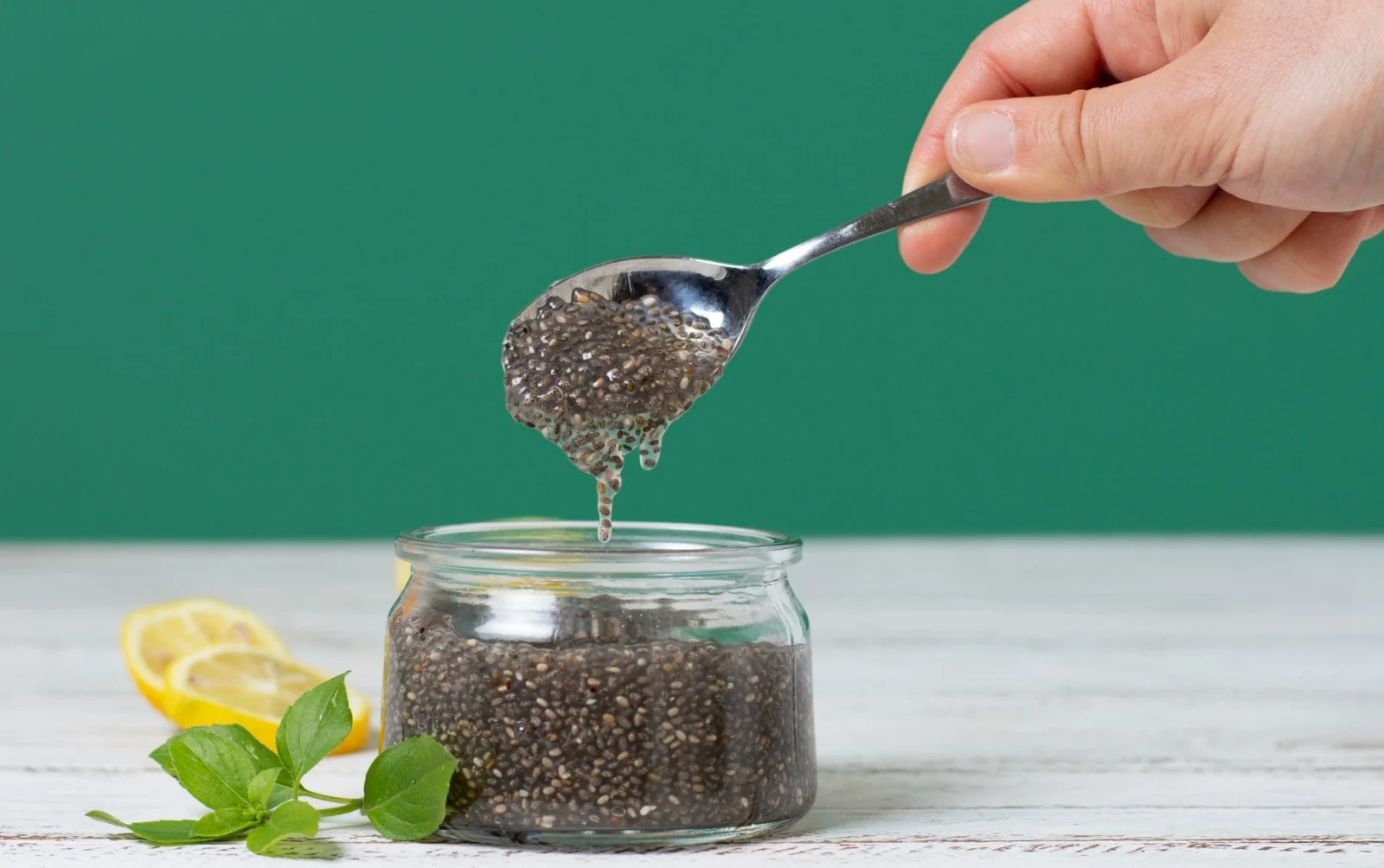
Chia seeds are known as “the little thing with the biggest benefits“. They’re easy to add to breakfast, quick to add to drinks, and often described as something you can eat every day without thinking too much.
But this is where many people make the mistake.
Chia seeds are spicy, yes—but having more doesn’t mean they’re automatically better. Like any fiber-rich food, the body has a limit on how much it can comfortably eat in a day. When that limit is exceeded, the consequences aren’t significant or dangerous for most people, but they are so uncomfortable that some people give up eating tea altogether.
Understanding how many chia seeds to eat is more than chasing a perfect number; it’s about knowing how the body reacts to fiber, water, and saturation over time.
Why Small Amounts Go a Long Way
Chia seeds pack a punch in a small amount. Even a small serving packs a few grams of fiber, fat, and plant nutrients. That’s why they’re more filling than many larger foods on the plate.
Because they’re so rich in nutrients, increasing the amount doesn’t directly increase the benefits. Adding more spoonfuls increases comfort, digestion, and hydration.
Why Chia Seeds Feel Different From Other Foods
Chia seeds behave differently once they are eaten. When mixed with liquid, they absorb water and form a soft gel. This is one reason they are popular in puddings, smoothies, and overnight recipes.
Inside the digestive system, the same thing happens. The seeds swell, slow down digestion slightly, and add bulk. This can support regular bowel movements for some people — but it can also overwhelm the gut if too much is eaten too quickly.
Unlike vegetables or fruit, chia seeds are highly concentrated. A small spoonful delivers a significant amount of fibre in one go. That concentration is what makes portion size important.
The Amount Most Professionals Talk About — Without Giving a Fixed Rule
You will often see an exact daily number mentioned online. In reality, most nutrition professionals avoid strict rules for chia seeds.
What they usually emphasise instead is a range, not a target.
For many adults, a modest daily portion is often enough to gain benefits without stressing digestion. What matters more than the number itself is how often chia seeds are eaten and how gradually they are introduced.
People who jump straight to large amounts tend to notice discomfort first — not benefits.
Why Portion Size Matters More Than You Expect
Chia seeds are not just fibre-rich; they are fibre-dense. That distinction matters.
A bowl of vegetables spreads fibre across volume and water. Chia seeds compress it into a small space. When eaten daily, this density can change digestion speed, stool consistency, and even appetite signals.
The body needs time to adjust to this change. Without that adjustment period, symptoms like bloating or cramps are common, even among people who normally eat well.
Portion size is not about restriction — it is about giving the digestive system space to adapt.
What People Commonly Notice When They Eat Too Much
Eating more chia seeds than the body can handle does not usually cause serious harm, but it often causes clear warning signs.
These may include:
- Persistent bloating that does not settle
- Gas or abdominal pressure
- Cramping after meals
- Loose stools, or the opposite — constipation
- A feeling of heaviness despite eating lightly
These symptoms are the body’s way of saying the fibre load is too high for the moment.
Many people misinterpret this as chia “not suiting them”, when in reality it is simply a quantity issue.
Your Usual Diet Changes What “Safe” Means for You
One of the most overlooked factors is what the rest of the diet already looks like.
Someone who regularly eats whole grains, vegetables, beans, and fruit is already consuming a high amount of fibre. Adding chia seeds on top of that can push intake past a comfortable threshold very quickly.
On the other hand, people coming from a low-fibre diet may struggle too — because the gut is not used to fibre at all.
In both cases, the safest approach is the same: start low and adjust slowly.
There is no universal portion that works for everyone, because fibre tolerance is personal.
How Quickly You Increase Intake Makes a Big Difference
Problems with chia seeds often appear when intake increases too fast.
The digestive system adapts gradually. Sudden changes — even with healthy foods — can lead to discomfort. This is especially true with fibre that expands and holds water.
A slower increase gives gut bacteria time to adjust, reducing gas and cramping. It also makes it easier to notice what amount feels comfortable rather than overwhelming.
Listening to early signals is far more effective than pushing through discomfort.
The Hydration Rule Many People Ignore
Chia seeds absorb liquid. That property does not disappear after swallowing.
Without enough water, fibre can become difficult to move through the digestive system. This is one reason some people experience constipation or a blocked feeling after eating chia seeds.
Hydration does not mean one glass of water. It means regular fluid intake across the day.
People who eat chia seeds but forget to drink enough often blame the seeds, when the real issue is fluid balance.
Signs You Should Reduce the Amount
The body usually gives feedback quickly. Reducing chia seed intake may help if you notice:
- Ongoing bloating that lasts most of the day
- Digestive discomfort after meals that include chia
- Changes in bowel habits that feel unpleasant
- A feeling of fullness that replaces normal hunger
These are not failure signs. They are adjustment signals.
Reducing the amount — or taking a short break — often restores comfort.
Who Should Speak to a Professional Before Using Chia Daily
While most healthy adults can eat chia seeds safely, some people should be more cautious.
This includes those with:
- Ongoing digestive conditions
- Swallowing difficulties
- Conditions affected by fibre intake
- Long-term medication use that alters digestion
In these cases, individual guidance matters more than general advice.
A Practical Way to Think About Daily Use
Chia seeds work best when treated as a habit, not a fix.
Small amounts eaten consistently tend to feel better than large amounts eaten occasionally. Comfort matters more than chasing an ideal intake.
When the body feels settled, routines last longer. When discomfort appears, it is usually a sign to adjust, not to stop entirely.
Disclaimer
This article is for general informational purposes only and does not replace personalised medical or dietary advice. Individual needs and tolerances vary.
Latest Posts: –
- What Happens to Your Skin When You Add a 5-Seed Trail Mix to Your Daily Diet
- Jogging vs Brisk Walking: Which Is Better for Weight Loss?
- 7 Homemade Drinks That May Help Improve Iron Deficiency and Boost Energy Levels
- Drinking Olive Oil Daily: Real Benefits, Side Effects & What Experts Want You to Know
- What are people thinking about Zepbound and sleep apnea?







Leave a comment