





Honestly, I always thought that if you want to work out, you have to give at least one full hour to it. Even on social media, that’s what you constantly see—people doing long gym sessions, following intense routines, sweating hard, grinding… and still not getting results. Because of that, whenever I started working out, I either committed to a full 1-hour session… or I didn’t do anything at all. I never even considered the option in between.
But slowly, I realised something—my problem wasn’t consistency… My problem was my expectations.
How Much Exercise Is Actually Necessary?

If you’re also confused about how much exercise is enough, the answer is surprisingly simple. Experts have already provided clear guidelines—we just tend to ignore them or set unrealistic expectations.
As per international health recommendations, adults are encouraged to aim for:
- 150 minutes per week of moderate exercise
- 75 minutes per week of intense exercise
- Strength training at least 2 days a week
👉 That means:
You don’t need to spend 1 hour in the gym every day. Even 20–30 minutes daily is enough—if you stay consistent.
When you move regularly, your heart becomes more efficient, your muscles stay active, and your metabolism works better.
📌 Even short workouts done consistently can improve heart health, energy levels, and overall fitness.
Where the Real Problem Happens (What I Didn’t Understand Before)
Most people don’t skip workouts because they don’t have time—they skip them because they have a fixed idea of a “perfect workout” in their mind. I was making the same mistake without even realizing it. I used to think that if I couldn’t give 1 full hour, then the workout had no value. And because of that thinking, I kept failing to even start.
Sometimes I had 20–30 minutes available, but I ignored that time because it didn’t feel “perfect”. Over time, I understood that the body doesn’t need a perfect routine—it just needs regular movement.
And when we set unrealistic expectations, two things usually happen:
- Either we burn out
- Or we never start at all
👉 This exact cycle kept stopping me—until I changed the way I thought.
What Your Body Actually Needs
Most people believe the body needs heavy and intense workouts, but the reality is different. The real issue isn’t the workout—it’s the mindset. We create an “all-or-nothing” rule: either do a perfect workout or don’t do it at all. I was stuck in the same trap, and because of that, I could never stay consistent.
Over time, I realized that the body responds more to repetition than intensity. It doesn’t need extreme effort—it needs small, regular movement every day.
In simple terms:
- Daily movement > occasional heavy workouts
- Short sessions > no sessions
- Realistic routine > perfect routine
👉 Your body doesn’t need a perfect routine… it needs consistency.
It’s Not Just About Workouts — Staying Active All Day Matters

Many people sit for 8–10 hours a day and expect a short workout to fix everything. But the body doesn’t work like that. The issue is not just lack of exercise—it’s too much inactivity.
Even 1 hour of exercise cannot fully cancel out a whole day of sitting. Your body adapts to what you do most often, and long periods of inactivity become its default.
That’s why small habits matter:
- Walk for 2–3 minutes every 1–2 hours
- Do light stretching
- Use stairs instead of elevators
👉 A workout is just one part… your full day matters more. 🔥
NEAT: Small Activities, Big Impact
Fitness is not limited to the gym, and this is something many people overlook. Your daily small movements also play an important role in how your body functions. This concept is known as NEAT (Non-Exercise Activity Thermogenesis), and it can make a noticeable difference over time.
It includes:
- Walking
- Standing more often
- Household work
👉 The more you move, the better your body responds—even with short workouts.
20–25 Minute Simple Workout Plan
Many people feel confused about how to structure a short workout, but it doesn’t need to be complicated. A simple and balanced routine can still be effective if done consistently. The goal is to keep it practical so it becomes easy to follow daily.
- 5 min: warm-up
- 10–12 min: bodyweight exercises
- 5–8 min: stretching
👉 Simple, effective, and easy to repeat daily
📅 Simple Weekly Routine
Having a basic weekly structure helps you stay consistent without feeling overwhelmed. It gives direction to your workouts while still allowing flexibility. The focus should be on maintaining regular movement rather than following a strict or perfect routine.
- Monday: Walk + light workout
- Tuesday: Bodyweight training
- Wednesday: Light activity
- Thursday: Short intense workout
- Friday: Walk + stretching
- Saturday: Strength training
- Sunday: Rest
👉 Keep it flexible
When I Changed My Approach
Real change started when I stopped overthinking and focused on keeping things simple. Instead of chasing a perfect plan, I committed to a routine that I could follow daily without pressure. That shift made it easier to stay consistent.
- I felt more active
- My energy improved
- I stayed consistent
👉 It finally felt like a habit, not a burden. 🔥
Recovery Is Just as Important
Many people ignore recovery, but it plays a key role in overall progress. After exercise, your body requires time to recover and adjust. Without proper rest, performance can drop, and long-term progress becomes harder to maintain.
- Fatigue increases
- Motivation drops
- Injury risk rises
👉 Recovery is not optional—it’s necessary.
Simple Ways to Start
Getting started often feels difficult because of overthinking and unrealistic expectations. Instead of waiting for the perfect plan, it is better to begin with small and manageable steps that you can easily follow every day. This helps build consistency naturally.
- Start with a 20–30 minute walk
- Use the stairs.
- Add strength training
- Keep it flexible
👉 Simple start builds real consistency.
Common Workout Mistakes Beginners Make
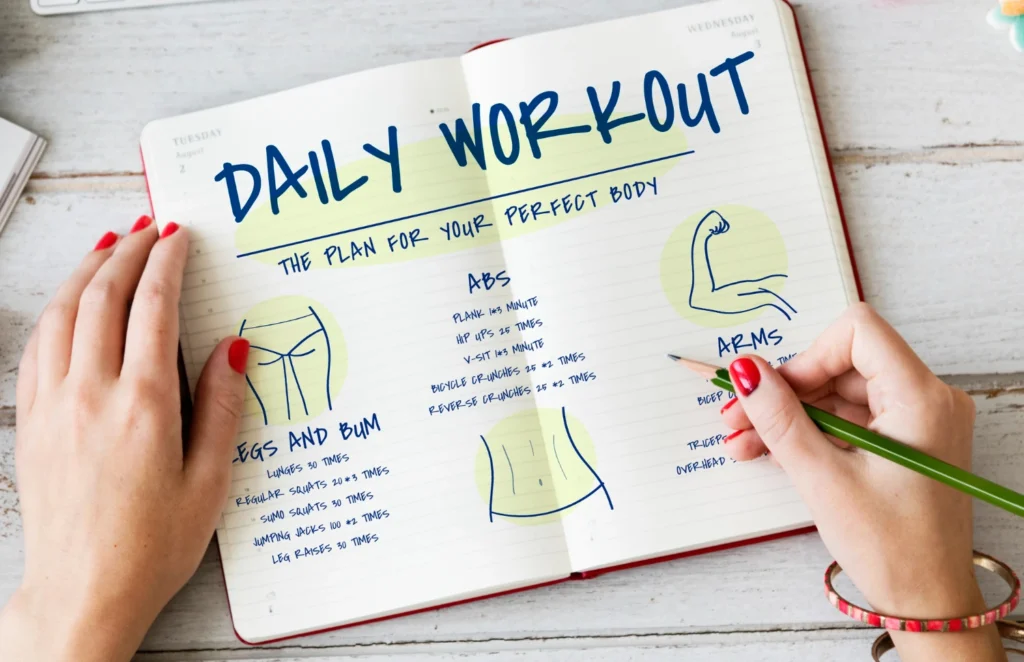
When starting a fitness routine, most people don’t fail because they are lazy—they fail because they make simple mistakes without realizing it.
One common mistake is doing too much too soon. Beginners often start with long and intense workouts, which leads to burnout.
Another mistake is expecting fast results. Progress takes time, and lack of patience often leads to quitting.
Poor form is also a big issue. Doing exercises incorrectly increases injury risk and reduces effectiveness. Skipping rest is another problem. The body needs time to recover and improve.
👉 Avoiding these mistakes makes your journey easier and more sustainable. 🔥
A Small Realization
Fitness is not about perfect routines or long workouts. It’s about staying consistent. Now, even if my workout is short, I don’t stop. And that consistency is what creates real results.
👉 Fitness is not about being perfect…
👉 It’s about not stopping.
FAQs:
How much daily physical activity does your body actually need?
Most adults need about 20–30 minutes of daily exercise. You can also follow weekly guidelines like 150 minutes of moderate activity or 75 minutes of intense workouts.
Is a 20-minute workout enough?
Yes, a 20-minute workout is enough if done consistently. Short workouts can improve fitness, boost energy, and support overall health when combined with daily movement.
Do I need to work out every day?
No, you don’t need intense workouts every day. You can mix workout days with light activity, walking, or rest days to maintain balance and recovery.
Can short workouts help with weight loss?
Yes, short workouts can support weight loss, especially when combined with an active lifestyle, proper diet, and consistent daily movement throughout the day.
What is the best workout routine for beginners?
A simple routine with walking, basic strength exercises, and stretching is best. Start with 20–30 minutes daily and gradually build consistency over time.











Leave a comment