



You may wake up feeling a little tired, with a dry mouth and low energy. When you go to the bathroom, you might notice your urine looks darker than usual. In that moment, you may wonder if you even drank enough water the day before.
This is something many people experience without thinking much about it. Busy routines, long work hours, and daily distractions often make us forget to drink water regularly. Many people only drink water when they feel very thirsty, but by then, the body may already be low on fluids.
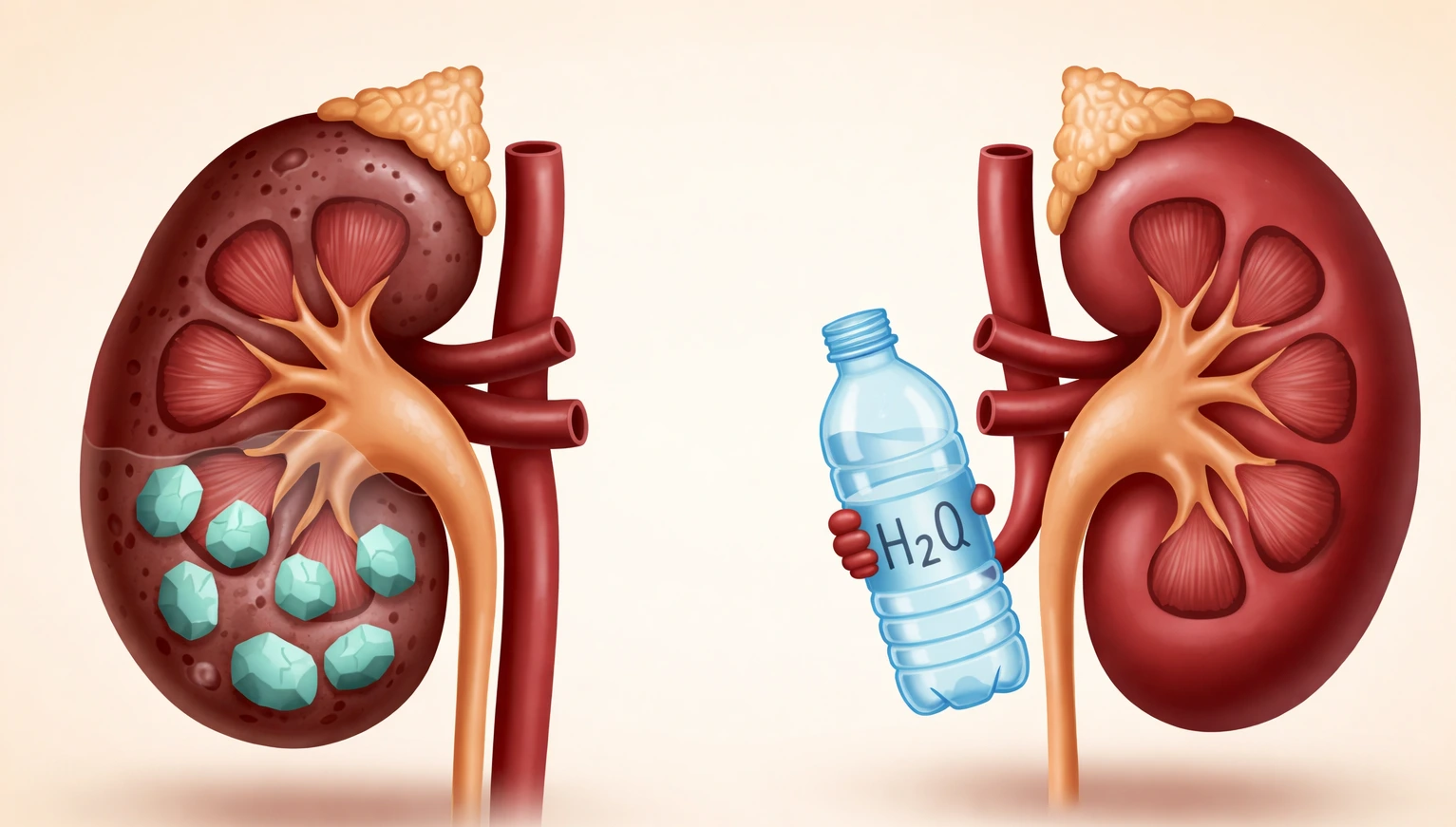
Inside your body, something important may be happening. When you don’t drink enough water, your kidneys may not remove waste as easily. Urine becomes more concentrated, and the body tries to save water. Over time, this may place extra stress on the kidneys and affect how smoothly they work.
What Happens to Your Kidneys When You Don’t Drink Enough Water?
When you don’t drink enough water, your kidneys may not clean waste as efficiently. Urine becomes more concentrated, and your body starts holding onto water to prevent loss. This may increase pressure on the kidneys over time.
Your kidneys rely on water to help clean and filter your blood. When water intake is low, this process may slow down. Waste can stay longer in the body, and urine may become darker and stronger. This is one of the early signs of dehydration and the kidneys working harder than usual.
What Do Your Kidneys Do Every Day?
Your kidneys clean your blood every day and help keep your body balanced. They remove waste, control fluid levels, and support important functions like maintaining mineral balance.
Even when you are resting or sleeping, your kidneys are always working quietly in the background. They act like natural filters, making sure your body stays clean from the inside.
What Changes When You Drink Less Water?
When you drink less water, your body begins to show small but clear changes. These changes are often easy to notice if you pay attention.
You may urinate less often, and your urine may look darker than usual. You might also feel dryness in your mouth or a drop in your energy levels. Some people also notice mild headaches or a heavy feeling in the body.
These are early signals from your body. They are simple reminders that your system needs more water to function smoothly.
How Low Water Intake May Affect Your Kidneys Over Time
If low water intake continues for days or weeks, your kidneys may slowly feel the extra pressure. These effects build over time and may affect how well your kidneys do their job.
1. Waste May Stay Longer in the Body
When you don’t drink enough water, waste removal may slow down. Your kidneys need water to flush out toxins from your blood. Without enough water, this process may not work efficiently, and waste may stay in your body longer than it should.
2. Urine Gets Darker and Stronger
Low water intake makes urine more concentrated. Your body tries to save water, which leads to darker urine with a stronger smell. This is one of the easiest and most common signs of dehydration.
3. Small Crystals May Form in Urine
When urine becomes concentrated, minerals may start sticking together. Over time, these tiny particles may form small crystals. If low hydration continues, these crystals may grow and increase the risk of kidney stones.
4. Urinary System May Not Flush Properly
Water plays an important role in flushing the urinary system. It helps remove waste and bacteria from the body. When water intake is low, this natural flushing process may slow down, which may allow unwanted substances to stay longer in the system.
5. Kidneys May Adjust and Work Harder
Your kidneys try to adjust when water levels are low by holding onto fluids. This helps your body prevent water loss, but it may also increase the workload on the kidneys. Over time, this extra effort may affect how efficiently they function.
Simple Comparison Table
| Situation | With Enough Water, | With Low Water |
|---|---|---|
| Waste removal | Smooth | Slower |
| Urine color | Light | Dark |
| Kidney work | Balanced | Higher |
| Stone risk | Lower | Higher |
What Happens If You Stay Dehydrated for a Long Time?
If dehydration continues for a long time, your body may face more noticeable changes. You may feel tired more often, and your energy levels may stay low throughout the day.
Your kidneys may have to work harder to handle low fluid levels in the body. Over time, this may increase stress on the body and affect overall balance. While the body can adjust for short periods, long-term low water intake is not ideal for kidney health or hydration.
How can you tell if your body isn’t getting enough water?
Your body gives clear and simple signals when it needs more water. These signs are easy to notice if you pay attention.
You may experience:
- Dark yellow urine
- Dry mouth or lips
- Feeling tired or weak
- Dizziness or lightheaded feeling
- Urinating less often
These signs may suggest dehydration, and the kidneys may not be working as smoothly as they should.
How Much Water Should You Drink Daily?
There isn’t a single set amount that suits everyone. Your water needs depend on your body, your daily routine, and the weather around you.
A simple way to stay hydrated is to drink water whenever you feel thirsty and check your urine color. Light-colored urine usually means your body has enough water. This is an easy and practical way to support water and kidney function.
Simple Ways to Drink More Water
Drinking enough water can be easy if you build small habits into your day. You don’t need to make big changes.
- Always keep a water bottle within easy reach.
- Drink a glass of water after waking up
- Take small sips regularly during the day
- Add lemon or fruit slices for better taste
- Drink water with meals
These simple habits can improve hydration without effort and support better kidney function.
Why Many People Stay Dehydrated Without Knowing
Many people stay dehydrated without realizing it. This often happens because of daily habits.
Some people ignore thirst and stay busy with work. Others depend mostly on tea or coffee, thinking it is enough. Some drink water only at night, which does not help during the day.
Many people also ignore early signs like dry mouth or dark urine. Over time, these habits may affect dehydration and the kidneys without clear warning.
Common Daily Situations That Reduce Water Intake
There are everyday situations where people naturally drink less water. For example, long office hours, travel, or spending too much time on screens can reduce how often you think about drinking water.
In cold weather, people may not feel thirsty, even though the body still needs fluids. In hot weather, sweating increases water loss, but many people do not replace it properly.
Understanding these situations can help you stay more aware and maintain better hydration.
Expert Insight
Health experts often say that staying hydrated helps the kidneys remove waste more easily and supports normal body balance. Drinking enough water daily is one of the simplest and most effective ways to support kidney health, especially as you get older.
Your body gives small signals every day, and paying attention to them can help you stay healthy. Even simple habits like drinking a little more water throughout the day may help your kidneys work more smoothly and keep you feeling active and refreshed.
FAQs:
Can not drinking enough water affect your kidneys?
Yes, low water intake may make it harder for the kidneys to filter waste properly. When the body lacks fluids, this process may slow down and increase pressure on the kidneys.
How can I tell if my body needs more water?
You may notice signs like darker urine, dry lips, feeling tired, or going to the bathroom less often. These are simple signals that your body may need more fluids.
Does staying hydrated help the kidneys work better?
Yes, proper hydration may help the kidneys remove waste more smoothly and maintain a healthy fluid balance in the body.
Can not drinking enough water increase the risk of kidney stones?
When you don’t drink enough water, your urine tends to become more concentrated.
This may allow minerals to stick together, which can increase the chance of stone formation over time.
Disclaimer: This content is for general information only. It is not meant to replace medical advice. Always talk to a qualified healthcare professional before making changes to your diet, water intake, or daily habits.







Leave a comment