





Many people start their morning the same way every day. They wake up, grab something quick to eat or drink, and rush into their routine.
It feels harmless.
But doctors say one common morning habit could be quietly raising blood sugar levels — especially in people who already have insulin resistance, prediabetes, or type 2 diabetes.
That habit?
Starting the day with a high-sugar breakfast on an empty stomach.
Let’s break down why this matters — and what you can do instead.
Why Morning Blood Sugar Matters More Than You Think
In the morning, your body naturally releases hormones like cortisol and glucagon. These hormones help wake you up and prepare your body for the day.
But they also increase blood sugar.
This natural rise is sometimes called the “dawn effect”. It happens even if you don’t eat anything.
Now here’s the issue:
If you add a sugary breakfast on top of that natural rise, your blood sugar may spike much higher than expected.
Over time, repeated spikes can:
- Increase insulin resistance
- Make energy levels unstable
- Trigger mid-morning crashes
- Increase hunger later in the day
Doctors say it’s not just about how much you eat — it’s about what you eat first.
The Common Morning Habit That Raises Blood Sugar
Many typical breakfasts are high in refined carbohydrates and added sugar, such as:
- Sweetened coffee drinks
- Flavored yogurt
- White toast with jam
- Sugary cereal
- Packaged fruit juice
- Pastries or muffins
When eaten on an empty stomach, these foods digest quickly. That means glucose enters the bloodstream fast.
The result?
A rapid spike in blood sugar.
For healthy individuals, the body releases insulin to bring it back down. But if someone has insulin resistance, that process doesn’t work as efficiently.
The spike may last longer.
And frequent spikes can stress the body over time.
Why Liquid Sugar Is Even Worse in the Morning
Doctors are especially concerned about sugary drinks first thing in the morning.
Examples include:
- Sweetened coffee
- Flavored lattes
- Bottled smoothies
- Fruit juice
- Energy drinks
Liquid sugar absorbs faster than solid food because there is little fiber to slow digestion.
That means blood sugar can rise sharply within minutes.
Even drinks labelled as “natural” or “organic” can contain high sugar amounts.
Many people don’t realise that a large flavoured coffee drink can contain as much sugar as a dessert.
Skipping Breakfast Can Also Be a Problem
Here’s something interesting: skipping breakfast completely may also affect blood sugar.
When you skip your first meal, your body stays in stress mode longer. Cortisol levels may remain elevated, which can keep blood sugar higher.
Then, when you finally eat — especially if it’s a large meal — the spike may be even stronger.
Doctors say consistency matters.
The goal isn’t to eat more. It’s to eat smarter.
The Blood Sugar Crash Cycle
After a high-sugar breakfast, many people experience:
- Sudden energy boost
- Followed by fatigue
- Brain fog
- Cravings for more sugar
That crash happens because insulin works to lower the spike, sometimes quickly.
This cycle can repeat throughout the day.
And over time, this pattern may increase:
- Weight gain
- Cravings
- Metabolic stress
Some doctors say your first meal sets the tone for the entire day.
Who Should Be Most Careful?
While everyone can benefit from stable blood sugar, certain people should pay closer attention:
- People with prediabetes
- Individuals with type 2 diabetes
- Those with a family history of diabetes
- People with abdominal weight gain
- Anyone experiencing frequent energy crashes
Even people who consider themselves healthy may notice better energy when they avoid morning sugar spikes.
What Doctors Recommend Instead
Instead of starting your day with sugar, many health experts suggest focusing on:
1. Protein First
Protein slows digestion and helps prevent sharp spikes.
Examples:
- Eggs
- Greek yogurt (unsweetened)
- Cottage cheese
- Protein smoothies without added sugar
- Nut butter
Protein can also reduce mid-morning hunger.
2. Add Fiber
Fiber slows glucose absorption.
Good options:
- Oats
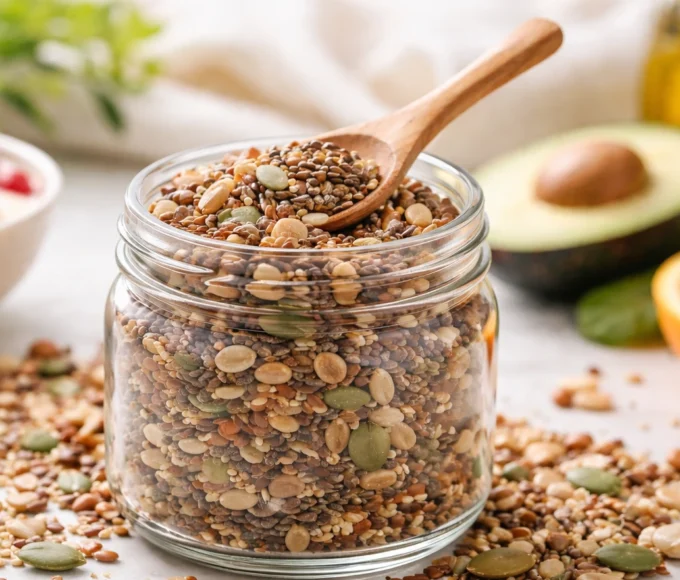
- Chia seeds
- Berries
- Whole-grain bread
- Vegetables
Pairing fiber with protein is even better.
3. Healthy Fats for Stability
Healthy fats help you feel full and slow digestion.
Examples:
- Avocado
- Nuts
- Seeds
- Olive oil
A balanced breakfast might look like eggs with avocado or oatmeal with chia seeds and nuts.
4. Rethink Your Coffee
Coffee itself doesn’t automatically raise blood sugar for everyone.
But adding:
- Sugar
- Flavored syrups
- Sweet creamers
can turn it into a high-sugar drink.
Doctors suggest switching to:
- Black coffee
- Coffee with unsweetened milk
- Cinnamon for flavor
- Stevia or monk fruit in moderation
Small changes can make a big difference.
The Role of Portion Size
Even healthy carbohydrates can raise blood sugar if eaten in very large portions.
For example:
- A huge bowl of oatmeal
- Multiple slices of whole-grain toast
- Large fruit-only smoothie
Balance matters more than restriction.
Doctors emphasize pairing carbs with protein and fat, rather than eating them alone.
Morning Movement Helps Too
Light physical activity after breakfast can improve glucose control.
Simple options include:
- A 10-minute walk
- Light stretching
- Household movement
Muscles use glucose for energy. Moving your body helps reduce spikes naturally.
Why This Habit Often Goes Unnoticed
Many people don’t connect their morning routine with long-term health.
They may feel:
- Tired mid-morning
- Hungry again too soon
- Dependent on caffeine
But they assume it’s normal.
Doctors say small daily habits, repeated for years, can shape metabolic health.
It’s not about fear.
It’s about awareness.
Small Changes, Real Impact
You don’t need a strict diet.
You don’t need to eliminate all carbohydrates.
You don’t need to skip breakfast.
You just need to be mindful of how your first meal affects your energy.
If you frequently feel tired or shaky a few hours after breakfast, it might be worth adjusting what you eat in the morning.
Stable blood sugar often means:
- Better focus
- Fewer cravings
- Steadier energy
- Improved long-term metabolic health
The first thing you eat each day may be more powerful than you realize.
And sometimes, improving your health doesn’t start with a big decision.
It starts with breakfast.
Disclaimer
This article is for general informational purposes only and does not replace medical advice. Individual blood sugar responses vary. People with diabetes, prediabetes, or metabolic conditions should consult a healthcare professional for personalised guidance.
Latest Posts:
- What Happens to Your Skin When You Add a 5-Seed Trail Mix to Your Daily Diet
- Jogging vs Brisk Walking: Which Is Better for Weight Loss?
- 7 Homemade Drinks That May Help Improve Iron Deficiency and Boost Energy Levels
- Drinking Olive Oil Daily: Real Benefits, Side Effects & What Experts Want You to Know
- What are people thinking about Zepbound and sleep apnea?








Leave a comment