




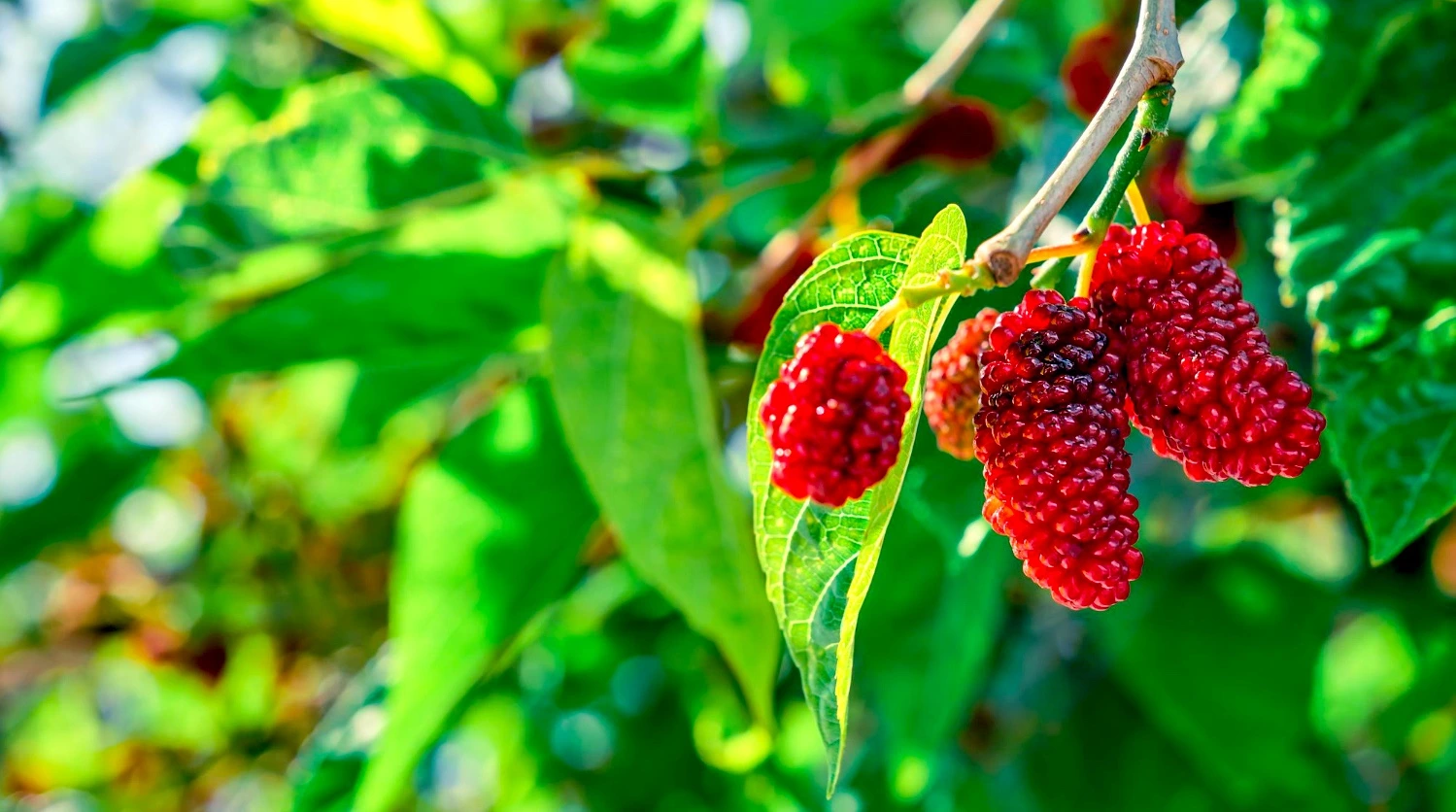
Mulberry are small, juicy berries that have been enjoyed for centuries in many parts of the world. Traditionally grown across Asia, Europe, and North America, these fruits are known not only for their sweet-tart flavour but also for their impressive nutritional value. While mulberries are sometimes less common in grocery stores than strawberries or blueberries, they are packed with nutrients that may support overall health.
These berries contain various vitamins, minerals, plant compounds, and dietary fibre that contribute to their reputation as a wholesome fruit. Research suggests that the antioxidants found in mulberries may help protect cells from damage and support several aspects of health, including heart function and immune defence.
Because they are naturally sweet and versatile, mulberries can easily be included in everyday meals. From smoothies and yogurt bowls to snacks and baked goods, there are many delicious ways to enjoy this nutrient-rich fruit.
What Are Mulberries?
These small berries originate from trees classified under the genus Morus. These trees thrive in warm and temperate climates and have been cultivated for thousands of years. Historically, mulberry trees were widely grown to feed silkworms used in silk production, but the fruit itself has long been valued as nutritious food.
Mulberries look partially similar to elongated blackberries. When ripe, they become soft, juicy, and sweet with a mild tartness. Different varieties and levels of ripeness can impact the taste of the fruit.
Many Types of Mulberries
There are three primary varieties of mulberry fruit:


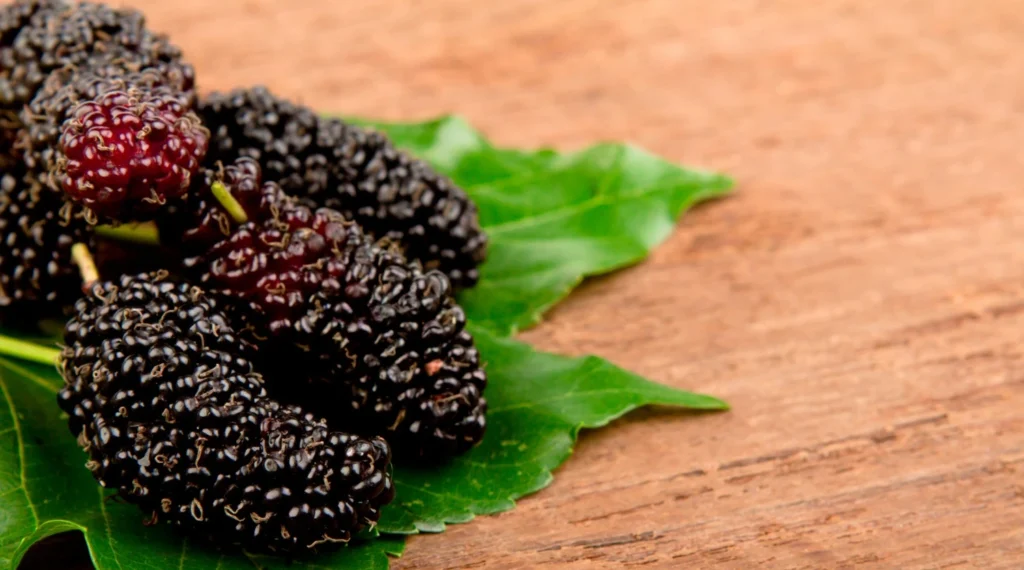
White Mulberries (Morus alba)
Despite the name, these berries can range in colour from white to pink or purple. They are typically the sweetest variety.
Red Mulberries (Morus rubra)
Native to North America, red mulberries are slightly larger and have a balanced sweet-tart flavour.
Black Mulberries (Morus nigra)
These berries are darker, richer in flavour, and often considered the most aromatic variety.
All three types offer similar nutritional benefits and can be enjoyed fresh, dried, or cooked.
Mulberry Nutrition Facts (Per 100 Grams)
Mulberries provide a wide range of nutrients while remaining relatively low in calories. They are especially known for their fiber content and antioxidant compounds.
The following table shows the approximate nutritional profile of fresh mulberries per 100 grams.
| Nutrient | Amount (Per 100 g) | Why It Matters |
|---|---|---|
| Calories | ~43 kcal | Provides natural energy |
| Carbohydrates | ~9.8 g | Main energy source |
| Dietary Fiber | ~1.7 g | Supports digestion |
| Vitamin C | ~36 mg | Helps support immune health |
| Iron | ~1.8 mg | Helps support oxygen circulation in the bloodstream. |
| Potassium | ~194 mg | Helps regulate blood pressure |
| Protein | ~1.4 g | Supports tissue repair |
| Antioxidants | Present | Help protect cells from oxidative stress |
In addition to these nutrients, mulberries contain beneficial plant compounds such as anthocyanins, resveratrol, and other polyphenols. These compounds are responsible for many of the fruit’s potential health benefits.
Key Health Benefits of Mulberry Fruit
Mulberries are often considered a functional food because they provide nutrients along with beneficial plant compounds. While eating them is not a substitute for medical treatment, research suggests that mulberries may support several aspects of health.
Heart Health Support
Heart health is influenced by many factors, including diet, cholesterol levels, and inflammation. Mulberries contain antioxidants that may help reduce oxidative stress in the body.
Compounds such as anthocyanins and resveratrol are known for their potential role in supporting cardiovascular health. These plant chemicals may help protect blood vessels and support healthy cholesterol levels.
Some studies suggest that diets rich in antioxidant-containing fruits may be associated with improved heart health and reduced risk of cardiovascular issues over time.
Blood Sugar Balance
Mulberries contain natural compounds that may influence how the body processes carbohydrates. One compound in particular, known as 1-deoxynojirimycin (DNJ), has been studied for its ability to slow the breakdown of certain sugars in the digestive system.
By slowing carbohydrate absorption, mulberries may help prevent sharp spikes in blood sugar levels after meals. For this reason, mulberries are sometimes explored in research related to blood sugar management.
However, they still contain natural sugars, so portion control remains important, especially for individuals managing diabetes.
Digestive Health
Like many fruits, mulberries provide dietary fiber, which plays an important role in digestive health.
Fiber helps:
- Promote regular bowel movements
- Support beneficial gut bacteria
- Prevent constipation
- Improve overall digestive function
Eating fiber-rich fruits such as mulberries may contribute to a balanced gut environment. A healthy digestive system is also linked with improved nutrient absorption and general well-being.
Immune System Support
Mulberries are a good source of vitamin C, a nutrient that supports immune health.
Vitamin C helps the body:
- Produce immune cells
- Protect cells from oxidative stress
- Improve iron absorption from foods
Regular consumption of vitamin-C-rich fruits may help support the body’s natural defense system. Antioxidants found in mulberries may also contribute to protecting immune cells from damage.
Skin and Eye Health
The antioxidants found in mulberries may also play a role in protecting the skin and eyes.
Vitamin C supports collagen production, which helps maintain skin structure and elasticity. Meanwhile, anthocyanins and other antioxidants may help protect skin cells from environmental stressors.
Some compounds in mulberries are also associated with eye health. These antioxidants may help protect retinal cells from oxidative damage, which can contribute to long-term eye health.
Brain and Cognitive Health
Research continues to explore how plant compounds influence brain health. Some studies suggest that antioxidant-rich foods may support cognitive function by helping protect brain cells from oxidative stress.
Mulberries contain polyphenols and flavonoids that may contribute to this protective effect. While more research is needed, diets rich in fruits and vegetables are generally associated with better cognitive health over time.
Best Ways to Eat Mulberries
Mulberries are versatile and easy to incorporate into a balanced diet. Their natural sweetness makes them suitable for both sweet and savory recipes.
Here are a few easy and nutritious ways to include them in your diet:
- Eat fresh mulberries as a quick snack
- Add dried mulberries to trail mixes or granola
- You can mix them into smoothies along with yogurt and different fruits.
- Mix into yogurt or oatmeal for extra flavor and nutrients
- Use them to make jams or fruit sauces
- Add them to baked foods like muffins, pancakes, or breads
Because mulberries are delicate and juicy, they are best enjoyed soon after harvesting. If fresh berries are unavailable, dried mulberries are a convenient alternative.
How Many Mulberries Can You Eat Per Day?
Mulberries are nutritious, but like most fruits, they should be eaten in moderation as part of a balanced diet.
A typical serving size is about ½ to 1 cup of fresh mulberries per day. This amount provides beneficial nutrients without adding excessive sugar or calories.
Eating a variety of fruits is generally recommended to ensure a wide range of vitamins, minerals, and plant compounds.
For individuals watching their sugar intake, pairing mulberries with protein-rich foods like yogurt or nuts may help create a more balanced snack.
Possible Side Effects or Precautions
Mulberries are mostly safe for most people to eat. However, there are a few potential considerations.
Allergic Reactions
Although uncommon, some individuals may experience allergic reactions to mulberries. Symptoms may include itching, swelling, or digestive discomfort.
Anyone with a history of berry allergies should try small amounts first.
Digestive Discomfort
Eating large quantities of mulberries may cause digestive symptoms such as bloating or mild stomach upset. This is usually due to their fibre content.
Gradually introducing fibre-rich foods can help reduce these effects.
Blood Sugar Considerations
Mulberries contain natural sugars. While they may support blood sugar balance in moderate amounts, excessive intake could still affect glucose levels.
People with diabetes should monitor their intake carefully.
Who Should Be Careful When Eating Mulberries?
Certain individuals may want to exercise additional caution when consuming mulberries.
People who should consult a healthcare professional include:
- Individuals with diabetes or blood sugar management concerns
- People taking blood sugar-lowering medications
- Those with food allergies or sensitivities
A healthcare provider or registered dietitian can provide personalized advice based on an individual’s health needs.
Tips for Buying and Storing Mulberries
Because mulberries are delicate, proper handling is important to maintain freshness.
How to Choose Fresh Mulberries
Look for berries that are:
- Deep in color
- Plump and slightly soft
- Free from mold or damage
Avoid berries that appear mushy or overly wet.
How to Store Them
Fresh mulberries are highly perishable and should be stored carefully.
Helpful storage tips include:
- Keep them refrigerated in a shallow container
- Avoid washing until ready to eat
- Consume within 1–3 days for the best flavor
If you have extra berries, freezing them is a practical option. Frozen mulberries work well in smoothies, sauces, and baked recipes.
Conclusion
Mulberries are a flavourful and nutritious fruit that offers various health benefits. Rich in vitamins, minerals, antioxidants, and fibre, these berries may support heart health, digestion, immune function, and overall wellness.
Their naturally sweet taste and versatility make them easy to incorporate into many meals and snacks. Whether eaten fresh, dried, or blended into smoothies, mulberries can be a delicious addition to a balanced diet.
While they are generally safe for most people, moderation is key, and individuals with specific health conditions should consult a healthcare professional if they have concerns.
Including a variety of fruits—including nutrient-dense options like mulberries—can help support long-term health and provide essential nutrients the body needs to function well.
FAQs:
Are mulberries healthier than other berries?
Mulberries are comparable to other berries in terms of nutrition. They provide vitamin C, fibre, and antioxidants that may support heart health and immunity. Each berry offers unique nutrients, so including various berries in the diet is beneficial.
Can people with diabetes eat mulberries?
Mulberries contain natural sugars, but they also provide fibre and plant compounds that may help slow carbohydrate absorption. People with diabetes can usually enjoy them in moderate portions, but it is best to monitor blood sugar levels and consult a healthcare professional if needed.
Are dried mulberries as healthy as fresh mulberries?
Dried mulberries still contain many nutrients such as fibre, iron, and antioxidants. However, the drying process concentrates natural sugars and calories, so smaller portions are recommended compared to fresh berries.
What do mulberries taste like?
Mulberries have a naturally sweet flavour with a mild tart note. Their taste is often described as similar to blackberries but slightly softer and juicier. The flavour may vary depending on the variety and ripeness.
Can mulberries help improve digestion?
Mulberries contain dietary fibre, which helps support healthy digestion and regular bowel movements. Including fibre-rich fruits like mulberries in the diet may help maintain gut health when eaten as part of a balanced diet.
Medical Disclaimer:
This article provides general information and is not intended to serve as medical advice. Always consult a qualified healthcare professional before making significant changes to your diet or managing a medical condition.







Leave a comment