




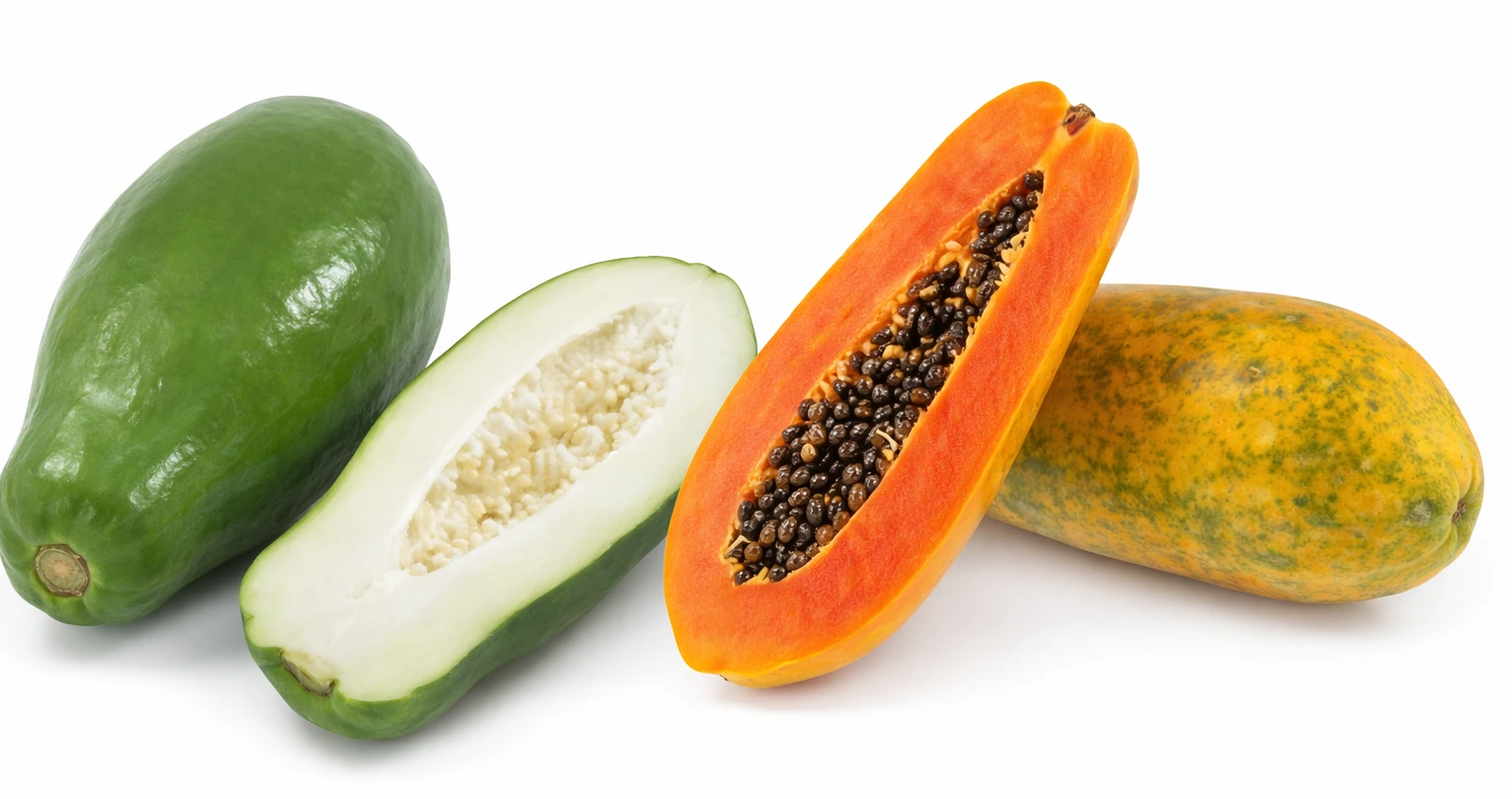
Papaya is one of the world’s most popular tropical fruits. It thrives in warm climates and is widely used in numerous cuisines across Asia, Latin America, and other tropical regions.
A unique characteristic of the papaya is that it can be consumed in two entirely distinct forms. Some people prefer to eat papaya when it is fully ripe, sweet, and soft. Conversely, others enjoy eating it while it is still green and unripe; they utilise it as a vegetable in salads and cooked dishes.
In Southeast Asian cuisine, raw papaya is often grated and combined with herbs and spices to create refreshing salads. Elsewhere, it is consumed cooked—typically in soups or stir-fry dishes. Ripe papaya, on the other hand, is generally eaten as fresh fruit or incorporated into smoothies and breakfast bowls.
Since the flavours of these two forms differ completely and they are utilised in such distinct ways, many people often wonder which is ultimately healthier: raw papaya or ripe papaya.
The truth is that both forms of papaya are rich in various essential nutrients, including vitamins, fiber, and beneficial plant-based compounds. However, as the fruit ripens, its nutritional profile (composition of nutrients) changes slightly. Understanding these differences will help you determine which form of papaya might be better suited for your specific health goals.
Raw Papaya vs Ripe Papaya: What’s the Difference?
Raw papaya and ripe papaya come from the same fruit, but the ripening process changes several characteristics, such as flavour, texture, and sugar content.
Appearance
Raw papaya is typically green on the outside and pale green or white on the inside. The flesh is firm and not very juicy.
As the fruit ripens, the skin gradually turns yellow or orange, and the inside becomes a vibrant orange colour. The texture also becomes softer and more juicy.
Taste
Raw papaya has a very mild flavor. It is not sweet and may have a slightly earthy or neutral taste. Because of this, it easily absorbs the flavors of sauces, spices, and herbs used in cooking.
Ripe papaya is naturally sweet and fragrant. The flavor is often described as similar to a mix of melon and mango.
Texture
Raw papaya is firm and crunchy, which makes it suitable for shredding into salads or slicing into vegetable dishes.
Ripe papaya is soft, smooth, and juicy, making it easy to eat with a spoon or blend into smoothies.
Sugar Content
As papaya ripens, the fruit naturally develops more natural sugars. This is why ripe papaya tastes sweet, while raw papaya does not.
Even though ripe papaya contains more sugar, it is still relatively low in calories compared with many other sweet fruits.
How People Typically Eat Them
Raw papaya is commonly used in:
- green papaya salads
- soups and curries
- stir-fried vegetable dishes
- savory Asian recipes
Ripe papaya is usually eaten.
- fresh as a fruit
- in smoothies
- in yogurt bowls
- in fruit salads or desserts
Nutritional Comparison
The nutrient profile of papaya changes as it ripens. While both versions are healthy, they offer slightly different advantages.
| Nutrient | Raw Papaya | Ripe Papaya | Why It Matters |
|---|---|---|---|
| Vitamin C | High | Very high | Supports immune health and skin repair |
| Fiber | Moderate to high | Moderate | Helps digestion and gut health |
| Potassium | Present | Present | Supports heart and muscle function |
| Antioxidants | Moderate | Higher | Helps protect cells from oxidative stress |
| Digestive Enzymes | Very high | Lower | Supports protein digestion |
Both raw and ripe papaya contribute beneficial nutrients that can support overall health.
Health Benefits of Raw Papaya
Raw papaya has been used in traditional cooking and natural health practices for many years. Its unique enzymes and fiber content may offer several health benefits.
Supports Digestion
One of the most well-known features of raw papaya is the enzyme papain. Papain helps break down proteins during digestion. Because of this property, raw papaya is sometimes used in cooking to tenderize meat.
Digestive enzymes like papain may support smoother digestion when included as part of a balanced diet.
May Help With Weight Management
Raw papaya is naturally low in calories and low in sugar. At the same time, it contains dietary fiber that can promote fullness.
Foods rich in fiber take longer to digest, which may help reduce hunger between meals.
For people trying to maintain or manage their weight, adding fiber-rich vegetables and fruits like raw papaya can be helpful.
Supports Gut Health
Fiber is essential for digestive health.
The fiber in raw papaya can help:
- support regular bowel movements
- promote healthy gut bacteria
- maintain digestive balance
A diet that includes various fiber-rich foods can support long-term digestive wellness.
May Help Manage Blood Sugar Levels
Because raw papaya contains less natural sugar, it may have a smaller impact on blood glucose levels compared with very sweet fruits.
When combined with other nutrient-rich foods in balanced meals, raw papaya can fit into many healthy eating patterns.
Supports Metabolic Health
Raw papaya contains vitamins, minerals, and plant compounds that contribute to overall metabolic function.
These nutrients help support processes such as digestion, nutrient absorption, and cellular health.
Health Benefits of Ripe Papaya
When papaya ripens, it develops higher levels of certain antioxidants and vitamins that can benefit the body.
Rich in Antioxidants
Ripe papaya contains several powerful antioxidants, including:
- beta-carotene
- vitamin C
- carotenoids
Antioxidants help neutralize unstable molecules known as free radicals. When oxidative stress is kept under control, it may help support the body’s long-term health.
Supports the Immune System
Vitamin C plays an important role in supporting the body’s immune system. Ripe papaya provides a generous amount of this vitamin, which helps the body maintain strong immune defenses and supports tissue repair.
May Support Eye Health
The orange colour of ripe papaya comes from carotenoid compounds. These compounds can support eye health because they are related to vitamin A, which is essential for vision.
Good for Skin Health
Antioxidants and vitamin C play an important role in collagen production. Collagen helps maintain skin structure and elasticity. Including vitamin-rich fruits like papaya in the diet may support healthy skin over time.
Easy to Digest
Ripe papaya has a soft texture and gentle sweetness, making it easy for many people to digest. For this reason, it is often recommended as a light fruit for breakfast or snacks.
Raw Papaya vs Ripe Papaya for Weight Loss
Both forms of papaya can fit into weight-management diets, but they offer slightly different advantages. Raw papaya generally contains:
- fewer natural sugars
- fewer calories
- more fiber relative to sweetness
This combination may help people feel satisfied while keeping sugar intake low. Ripe papaya contains slightly more sugar, but it also offers antioxidants and remains relatively low in calories compared with many desserts.
For most people, moderation, and variety are more important than choosing only one form.
Raw Papaya vs Ripe Papaya for Digestion
Papaya has long been associated with digestive health. Raw papaya contains higher levels of papain, which helps break down proteins. Ripe papaya contains both fiber and smaller amounts of digestive enzymes.
In practical terms:
- raw papaya may assist protein digestion
- ripe papaya may support overall digestive comfort
Both forms can contribute to healthy digestion when eaten as part of a balanced diet.
Possible Side Effects of Raw Papaya
Although raw papaya is generally safe for most people, certain factors should be considered. Raw papaya contains latex-like compounds that may cause mild reactions in people with latex sensitivity.
Eating large amounts of raw papaya may also cause digestive discomfort in some individuals. Additionally, unripe papaya contains compounds that have traditionally been associated with uterine stimulation.
Who Should Avoid Raw Papaya?
Certain groups may want to avoid or limit raw papaya.
These include:
- pregnant women
- individuals with latex allergies
- people with sensitive digestive systems
Anyone with concerns about food reactions should consult a healthcare professional.
How to Eat Raw Papaya Safely
Raw papaya is widely used in cooking and can be prepared in many healthy ways. Some examples include:
- green papaya salad with lime and herbs
- stir-fried papaya with vegetables
- papaya vegetable curry
- papaya soup
Cooking raw papaya softens its texture and can make it easier to digest.
Healthy Ways to Eat Ripe Papaya
Ripe papaya is simple to include in everyday meals. Popular options include:
- fresh papaya slices for breakfast
- papaya smoothie with yogurt or milk
- papaya yogurt bowl with nuts and seeds
- tropical fruit salad with pineapple and mango
Its natural sweetness can make it a refreshing alternative to sugary snacks.
Raw Papaya vs Ripe Papaya: Comparison
| Feature | Raw Papaya | Ripe Papaya |
|---|---|---|
| Taste | Mild and neutral | Sweet and tropical |
| Texture | Firm and crunchy | Soft and juicy |
| Sugar Level | Lower | Higher |
| Digestive Enzymes | Higher | Moderate |
| Antioxidants | Moderate | Higher |
Key Health Benefits at a Glance
Papaya offers several nutritional advantages regardless of how it is eaten:
- provides vitamin C for immune health
- contains fiber that supports digestion
- offers antioxidants that protect cells
- supports heart health with potassium
- contributes natural vitamins and minerals to a balanced diet
A Balanced Diet Perspective
Raw papaya and ripe papaya are simply two stages of the same fruit, and each offers its own nutritional strengths.
Raw papaya works well in savory meals and provides digestive enzymes with lower sugar levels. Ripe papaya offers natural sweetness along with antioxidants and vitamin C.
Rather than choosing one over the other, many people benefit from including both forms of papaya in different meals. Eating a variety of fruits and vegetables helps ensure the body receives a wide range of nutrients that support overall health.
FAQs:
Is raw papaya healthier than ripe papaya?
Raw papaya and ripe papaya both offer different nutritional benefits. Raw papaya tends to contain less natural sugar and slightly more digestive enzymes, while ripe papaya provides higher levels of antioxidants and a sweeter taste. The healthier option often depends on your dietary needs and how you plan to include it in your meals.
Can eating raw papaya help with digestion?
Raw papaya naturally contains an enzyme called papain, which helps break down proteins during digestion. Because of this enzyme, some people find that small amounts of raw papaya may support digestive comfort when included in a balanced diet.
Is ripe papaya good for weight management?
Ripe papaya can fit well into a weight-conscious diet. It is relatively low in calories and contains fiber, which may help people feel full for longer. When eaten in moderate portions, it can be a refreshing and nutritious snack.
Who should avoid eating raw papaya?
Certain people may need to be cautious with raw papaya. Pregnant women are often advised to avoid unripe papaya because it contains compounds that may not be suitable during pregnancy. People with latex allergies or sensitive digestion may also want to limit or avoid raw papaya.
What is the healthiest way to eat papaya?
Papaya can be enjoyed in many healthy ways. Ripe papaya is commonly eaten fresh, blended into smoothies, or added to fruit bowls. Raw papaya is often used in salads, soups, or lightly cooked dishes. Including papaya as part of a balanced diet can help provide vitamins, fiber, and plant-based nutrients.
Disclaimer:
This article provides general health information and should not be used as a substitute for advice from a medical professional. Before making major diet or health decisions, getting advice from a qualified medical professional is recommended.






Leave a comment