




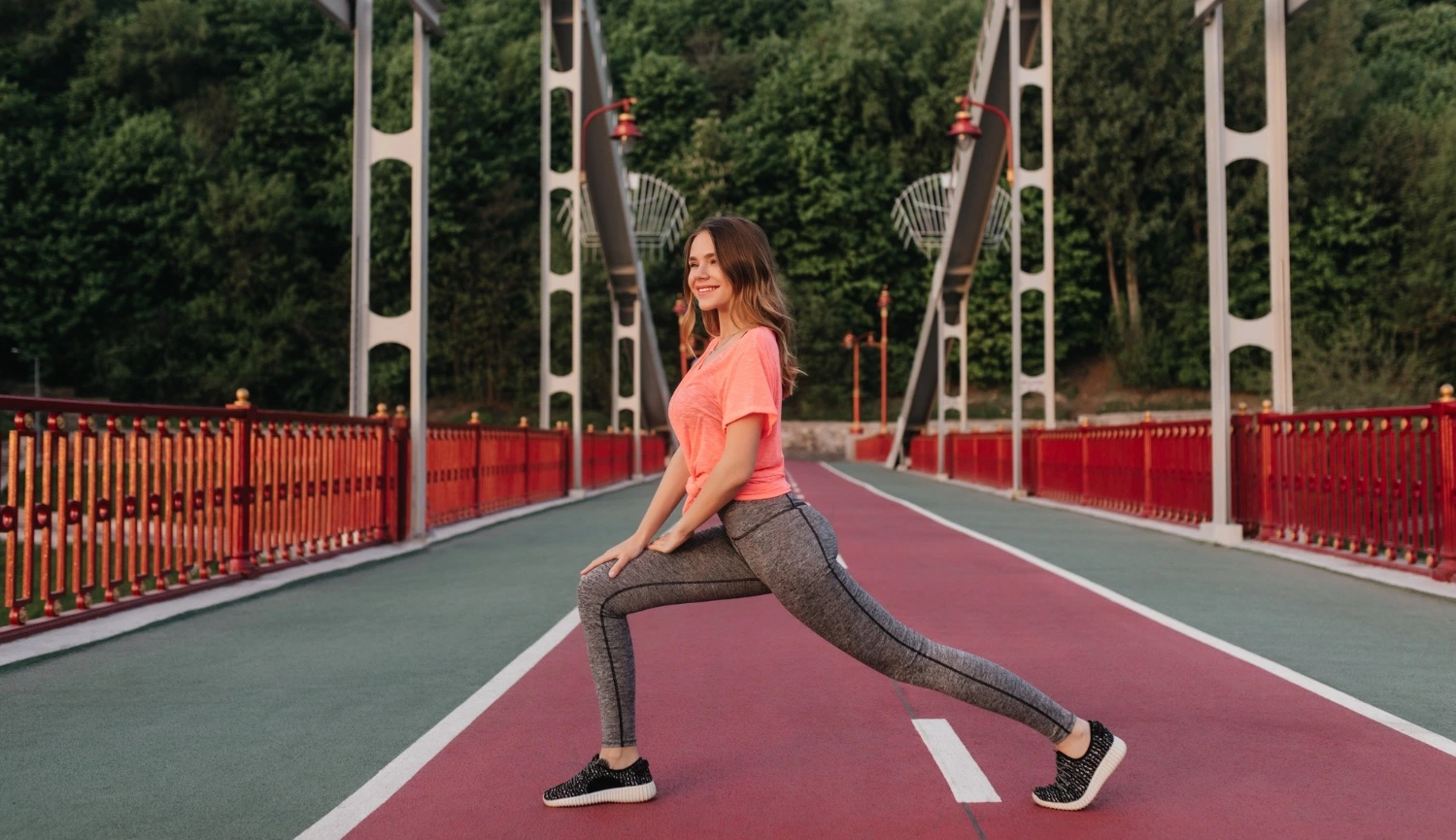
Staying active at home does not have to mean turning your living room into a gym or following intense routines that leave you exhausted after a few days. For many people in the UK, the real challenge is not knowing what exercise to do but finding something that feels realistic, comfortable, and easy to repeat.
Life gets busy. The weather changes quickly. Motivation comes and goes. That is why simple cardio workouts done at home—without equipment—often work better than complicated plans. They remove barriers. No gym membership. No special kit. No pressure to “go hard”.
This article is about cardio workouts that fit into everyday life, not workouts that take it over. These movements focus on consistency, gentle effort, and practicality — the kind of routines people actually stick with.
Why Simple At-Home Cardio Works Better for Most People
Many fitness routines fail because they demand too much, too soon. High-intensity programmes can look impressive, but they often clash with real schedules and real energy levels. Simple cardio, on the other hand, blends into daily life.
At-home cardio workouts offer:
- Flexibility around work and family
- Comfort and privacy
- No dependence on equipment or space
- Lower pressure to perform perfectly
Cardio does not need to be dramatic to be effective. What matters most is regular movement, even if it looks modest.
1. Walking in Place (With Purpose)

Walking is one of the most natural forms of cardio, and you do not need to leave the house to benefit from it.
Walking in place may sound basic, but when done with intention, it becomes a surprisingly effective way to raise your heart rate and stay active indoors. It works well on rainy days, cold mornings, or whenever stepping outside feels like too much effort.
How to Do It
- Stand upright with relaxed shoulders
- Lift one knee at a time, as if walking normally
- Swing your arms gently
- Keep a steady, comfortable pace
You can do this while listening to music, watching television, or even during short work breaks.
Why It Works
- Gentle on joints
- Suitable for beginners
- Easy to adjust speed and intensity
- Encourages longer movement time without fatigue
Walking in place is ideal for people who want to move more without overthinking exercise.
2. Low-Impact Marching Variations
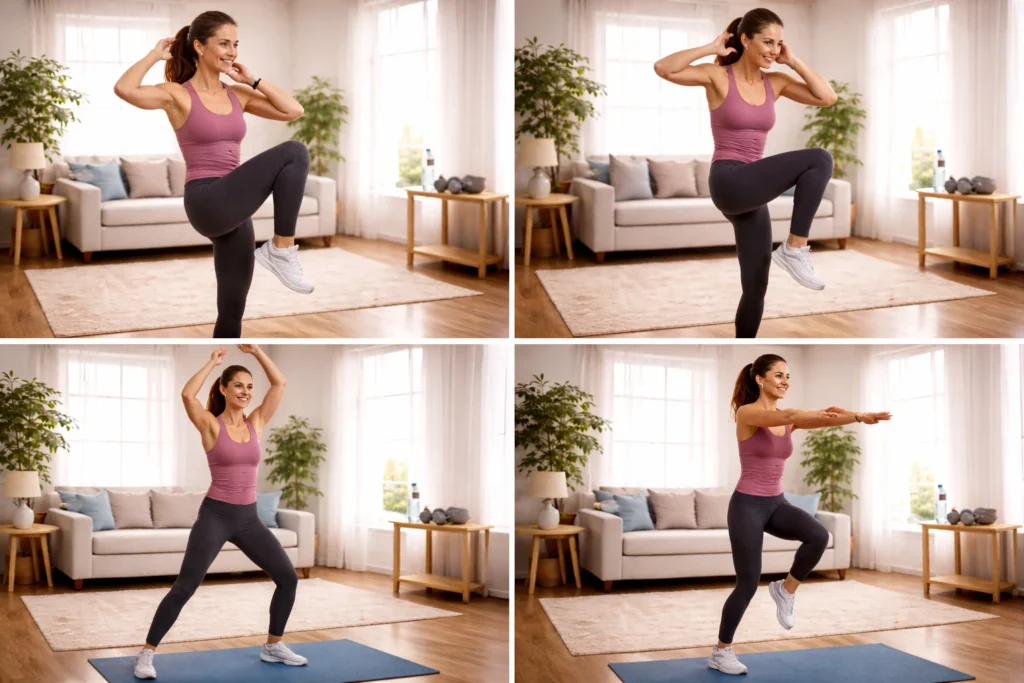
Marching is a small step up from walking in place and offers a bit more rhythm and control. It is especially useful for people who want a structured feel without jumping or strain.
How to Do It
- Stand with feet hip-width apart
- Lift knees one at a time to a comfortable height
- Keep your core engaged but relaxed
- Maintain a steady breathing pattern
You can add light variations such as slowing down, speeding up slightly, or pausing briefly between steps.
Why It Works
- Builds coordination
- Improves balance
- Keeps heart rate gently elevated
- Easy to fit into short sessions
Marching feels manageable, which makes it easier to return to day after day.
3. Standing Side Steps

Side steps are often overlooked, yet they activate different muscles and add variety without increasing difficulty.
This movement works well in small spaces and helps break the forward-only motion of most daily activities.
How to Do It
- Stand tall with feet together
- Step to the side, then bring the other foot in
- Alternate sides slowly and smoothly
- Keep movements controlled rather than rushed
Arms can move naturally or stay relaxed at your sides.
Why It Works
- Supports hip and leg movement
- Low impact on knees
- Encourages steady rhythm
- Helps reduce stiffness from sitting
Side steps are particularly helpful for people who spend long hours seated during the day.
4. Gentle Stair or Step Simulation (Without Stairs)
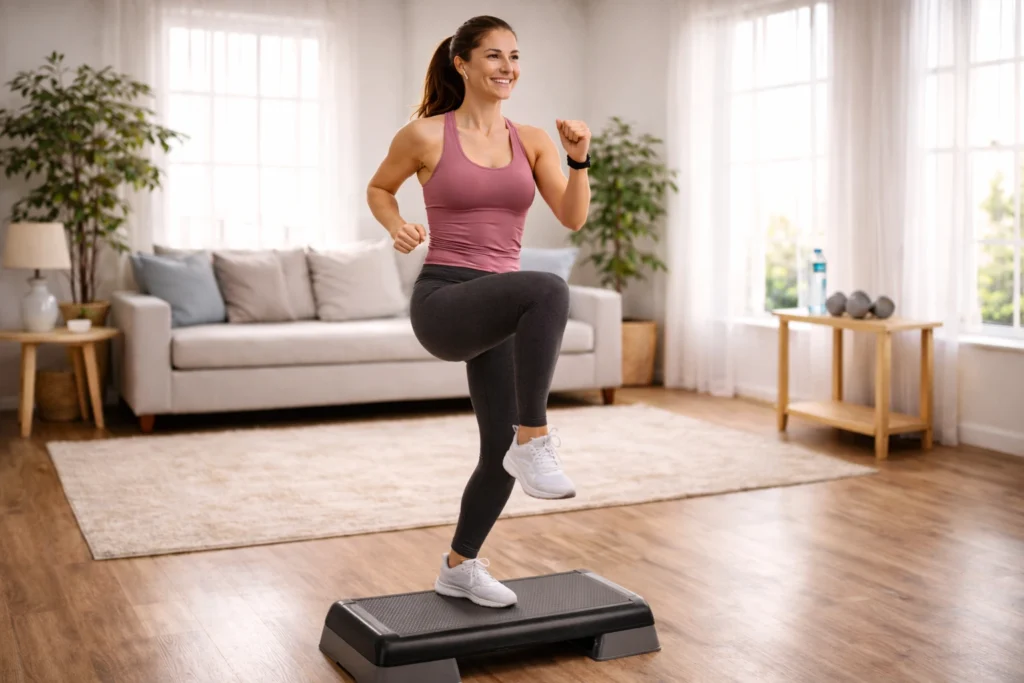
You do not need actual stairs to simulate stepping movements. Using an imaginary step or low-controlled lifts can offer a similar cardio effect.
How to Do It
- Stand with feet shoulder-width apart
- Lift one foot as if stepping onto a low platform
- Return it to the floor and switch sides
- Move at a pace that feels smooth and stable
Focus on posture rather than speed.
Why It Works
- Mimics everyday movement
- Builds lower-body strength gently
- Raises heart rate without impact
- Feels functional and familiar
This type of movement connects exercise to daily actions, which makes it feel less like a workout and more like a natural activity.
5. Light Bodyweight Flow Movement
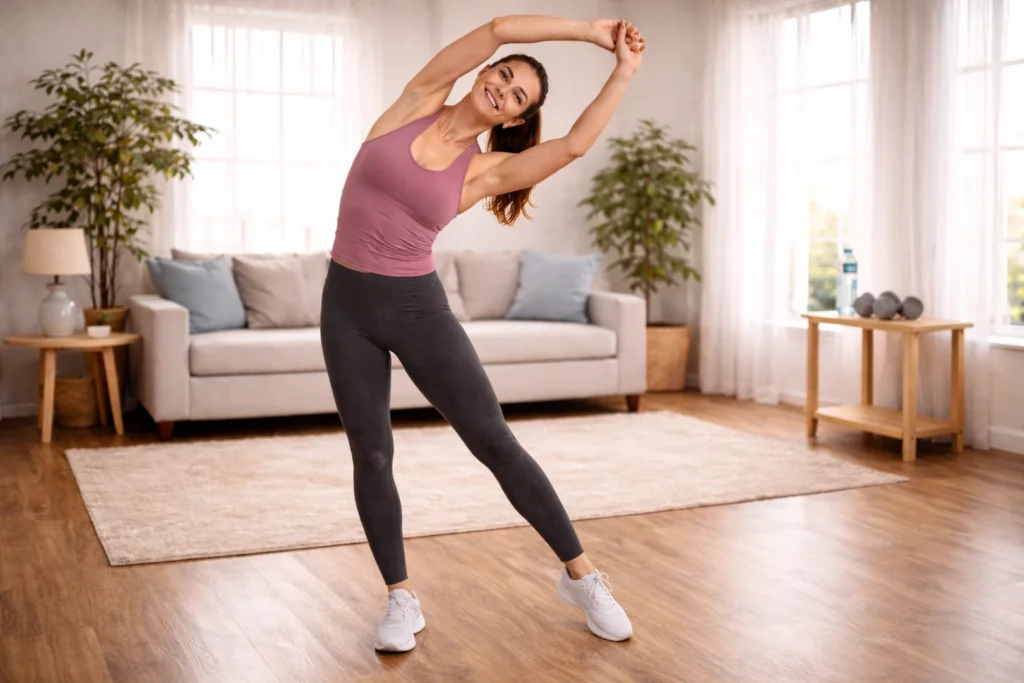
Sometimes cardio does not look like traditional exercise at all. A gentle flow of standing movements can keep the body active while feeling calm rather than demanding.
How to Do It
- Combine slow steps, arm movements, and gentle turns
- Move continuously for several minutes
- Focus on breathing and rhythm
- Avoid rushing or forcing intensity
Think of it as controlled movement rather than structured exercise.
Why It Works
- Reduces mental resistance to exercise
- Encourages longer sessions
- Supports full-body movement
- Fits easily into morning or evening routines
Flow-style cardio works especially well for people who dislike rigid workout formats.
How to Build a Simple Cardio Routine at Home
You do not need to do all five workouts at once. In fact, choosing just one or two often works better.
A simple approach:
- Pick one movement
- Do it for 5–10 minutes
- Repeat once or twice a day
Some days may feel easier than others. That is normal. Consistency matters more than intensity.
Making Cardio Part of Daily Life
The most effective cardio routines are the ones people do without thinking too much about them. Try attaching movement to habits you already have.
Examples:
- Walking in place while watching the news
- Marching during short breaks from work
- Side steps while waiting for the kettle
When cardio blends into routine moments, it stops feeling like a task.
Common Mistakes to Avoid
Even simple workouts can become difficult if expectations are too high.
Avoid:
- Pushing too hard too quickly
- Comparing progress to others
- Treating missed days as failure
- Turning simple routines into strict rules
Cardio should support daily life, not compete with it.
Why Equipment-Free Cardio Is Often More Sustainable
Without equipment, there is nothing to set up, nothing to store, and nothing to feel guilty about not using. That simplicity removes friction.
Equipment-free cardio:
- Encourages spontaneous movement
- Reduces excuses
- Feels accessible at any time
- Supports long-term habits
For many people, that simplicity makes all the difference.
Thoughts
Simple cardio workouts at home are not about doing less — they are about doing what lasts. When movement feels manageable, people return to it. When it fits naturally into daily life, it becomes part of a routine rather than a temporary effort.
You do not need perfect form, perfect timing, or perfect motivation. You only need movement that feels realistic today — and tomorrow.
Disclaimer:
This article is for general lifestyle and fitness awareness only. It is not intended as medical advice. Individual needs and abilities can vary, so listen to your body and seek professional guidance if you have any health concerns before starting a new exercise routine.
Latest Posts:
- What Happens to Your Skin When You Add a 5-Seed Trail Mix to Your Daily Diet
- Jogging vs Brisk Walking: Which Is Better for Weight Loss?
- 7 Homemade Drinks That May Help Improve Iron Deficiency and Boost Energy Levels
- Drinking Olive Oil Daily: Real Benefits, Side Effects & What Experts Want You to Know
- What are people thinking about Zepbound and sleep apnea?







Leave a comment