





Smoothies are often seen as the “healthiest” start to the day.
Fruits, greens, seeds, maybe some yogurt — it all sounds perfect.
But here’s the truth most people don’t hear:
One common smoothie mistake can quietly spike your blood sugar, even if you’re using “healthy” ingredients.
This doesn’t mean smoothies are bad.
It just means how you make them matters more than what you think.
I learned this the hard way after noticing energy crashes, hunger coming back too fast, and that weird tired feeling even after a “clean” breakfast. Once I fixed this one mistake, everything changed.
Let’s break it down simply.

The Smoothie Mistake Most People Make (Without Realizing It)
The biggest issue is drinking smoothies that are heavy on carbs and light on balance.
When you blend fruit without enough protein, fat, or fiber, your body absorbs sugar very fast. Faster than when you eat whole fruit.
This rapid absorption causes:
- A quick blood sugar rise
- Followed by a sharp drop
- Which leads to hunger, cravings, and fatigue
It’s not about sugar being “evil.”
It’s about how fast sugar hits your bloodstream.
Why Blending Changes How Sugar Affects Your Body
Whole fruits come with fiber that slows digestion.
Blending breaks that structure.
When fruit is blended:
- Fiber is partially broken down
- Sugar becomes easier to absorb
- Blood glucose rises more quickly
Your body reacts by releasing more insulin to bring sugar down.
Over time, frequent spikes can stress your system — especially for people with insulin resistance, prediabetes, or Type 2 diabetes risk.
This is why some people feel:
- Shaky or hungry 1–2 hours later
- Sleepy after a smoothie
- Cravings for more carbs soon after
The Hidden “Healthy” Ingredients That Raise Blood Sugar Fast
Many smoothie ingredients look healthy on labels but behave differently inside the body.
Here are common ones that can spike blood sugar when used alone or in excess:
- Fruit juice (even 100% juice)
- Bananas (especially ripe ones)
- Mangoes and pineapples
- Dates and honey
- Oats blended without protein
- Plant milks with added sugar
None of these are “bad.”
The problem is stacking too many together.
Why Morning Smoothies Are More Likely to Cause Spikes
Your body is naturally more insulin-resistant in the morning.
This is normal biology, not a disease.
When you drink a high-sugar smoothie first thing:
- Cortisol is already higher
- Insulin response is weaker
- Blood sugar rises faster
That’s why many people feel fine at first, then crash mid-morning.
A smoothie that lacks balance at breakfast is more likely to backfire than one eaten later in the day.
Signs Your Smoothie Is Spiking Blood Sugar
Your body often gives small hints before bigger problems show up.
Watch for these signs:
- Hunger returning within 1–2 hours
- Brain fog or sleepiness after drinking it
- Cravings for sweets later in the morning
- Feeling shaky or irritable
- Needing coffee to “fix” your energy
If this sounds familiar, your smoothie likely needs adjustment — not removal.
How to Make Your Smoothie Safer for Blood Sugar

The goal is to slow sugar absorption, not to cut fruit completely.
This is where balance comes in.
Before listing ingredients, here’s the mindset shift:
A smoothie should behave like a meal, not a drinkable dessert.
1. Always Add a Protein Source
Protein slows digestion and stabilizes blood sugar.
When protein is missing, sugar enters the bloodstream too fast.
Good protein options:
- Greek yogurt (plain, unsweetened)
- Protein powder (whey or plant-based)
- Cottage cheese
- Silken tofu
- Unsweetened soy milk
Aim for 15–25 grams of protein per smoothie if it’s replacing a meal.
2. Include Healthy Fats to Slow Sugar Absorption
Fats help delay gastric emptying, which means sugar enters your blood more slowly.
Simple fat additions:
- Nut butter (peanut, almond)
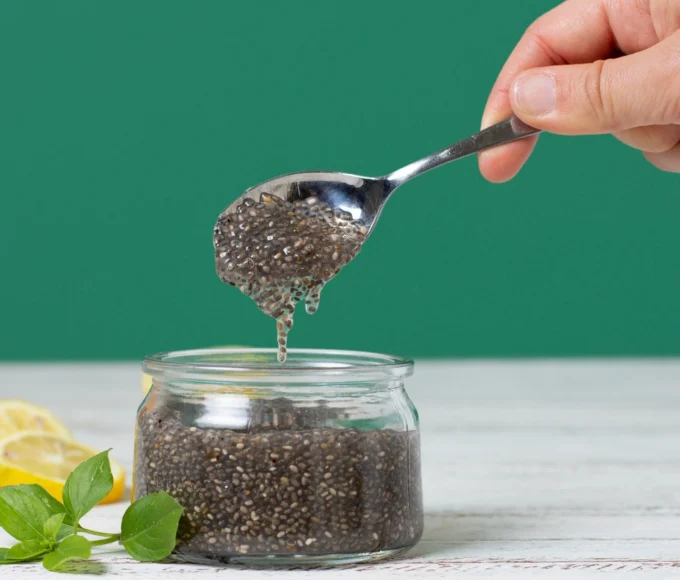
- Chia seeds or flaxseeds
- Avocado
- Coconut (small amount)
You don’t need much — 1–2 tablespoons is enough.
3. Choose Lower-Glycemic Fruits More Often
Not all fruits affect blood sugar the same way.
Lower-impact choices:
- Berries (blueberries, strawberries, raspberries)
- Cherries
- Green apples
- Pears
Use higher-sugar fruits sparingly:
- Banana: half instead of whole
- Mango: small portion
- Dates: avoid daily use
Mixing fruits is better than relying on one sweet fruit.
4. Stop Using Fruit Juice as a Base
Fruit juice removes fiber completely.
This turns your smoothie into liquid sugar.
Better base options:
- Water
- Unsweetened almond milk
- Unsweetened soy milk
- Plain kefir
This single change alone can reduce sugar spikes significantly.
5. Add Fiber-Rich Ingredients That Actually Help
Fiber is your best friend for blood sugar control.
Easy fiber boosts:
- Chia seeds
- Flaxseed meal
- Psyllium husk (small amount)
- Spinach or kale
- Oats (½ cup max, with protein)
Fiber slows digestion and improves fullness.
A Simple Blood Sugar–Friendly Smoothie Formula
Use this formula to avoid spikes:
- 1 cup liquid (unsweetened)
- 1 cup low-sugar fruit
- 1 protein source
- 1 fat source
- 1 fiber booster
- Optional greens
This creates balance without overthinking.
Are Green Smoothies Always Better?
Not automatically.
A green smoothie can still spike blood sugar if:
- It has fruit juice
- Too much fruit
- No protein or fat
Greens help, but they don’t cancel sugar spikes on their own.
Balance still matters.
What Experts Say About Smoothies and Blood Sugar
Many registered dietitians now recommend treating smoothies as meals, not snacks.
According to nutrition experts:
- Blended carbs absorb faster
- Protein and fat are essential
- Portion size matters
This is especially important for:
- People over 30
- Those with prediabetes
- Anyone with family history of diabetes
Can Smoothies Still Be Part of a Healthy Diet?
Yes — when made correctly.
Smoothies can:
- Support weight management
- Improve nutrient intake
- Help people eat more fiber and protein
But only when they’re balanced, not sugar-heavy.
Who Should Be Extra Careful With Smoothies?
Some people need more caution:
- Prediabetes or Type 2 diabetes
- PCOS
- Insulin resistance
- Frequent energy crashes
- Strong sugar cravings
For these groups, smoothies should:
- Be higher in protein
- Lower in fruit quantity
- Eaten with awareness, not daily by default
When Is the Best Time to Drink a Smoothie?
Better times:
- After exercise
- As a lunch replacement
- Midday with protein
Less ideal:
- Very early morning on an empty stomach
- Late at night
Timing can change how your body responds.
Small Changes That Make a Big Difference
You don’t need to quit smoothies.
You just need to stop letting them behave like sugar bombs.
Even one change — adding protein or removing juice — can:
- Improve energy
- Reduce cravings
- Keep blood sugar steadier
That’s real progress.
FAQs:-
Can smoothies spike blood sugar?
Yes. Smoothies high in fruit or juice and low in protein and fat can raise blood sugar quickly, especially when consumed on an empty stomach.
What is the biggest smoothie mistake for blood sugar?
The most common mistake is blending mostly fruit without adding protein, healthy fat, or fiber to slow sugar absorption.
Are smoothies worse than whole fruit?
Blended fruit is absorbed faster than whole fruit because blending breaks down fiber, which can lead to quicker blood sugar spikes.
How can I make a smoothie blood sugar?
Add protein, healthy fats, fiber-rich ingredients, avoid fruit juice, and keep fruit portions moderate.
Are smoothies safe for people with diabetes?
They can be, but smoothies should be carefully balanced and ideally consumed with guidance from a healthcare professional.
Disclaimer
This article is for educational purposes only and does not replace medical advice.
If you have diabetes, prediabetes, or a medical condition, consult your healthcare provider or a registered dietitian before making dietary changes.









Leave a comment