





This happens to almost everyone at some point. Many people have experienced waking up in the morning to suddenly find a pimple on their skin. It could be just before an important meeting or on a day when you most want your skin to look its best. Moments like this often make people wonder what went wrong. Did something in yesterday’s routine cause it? Was it a new product, stress, or something you ate?
In reality, acne is one of the most common skin concerns worldwide. Teenagers experience it during hormonal changes, but many adults continue to see breakouts well into their twenties, thirties, or even later.
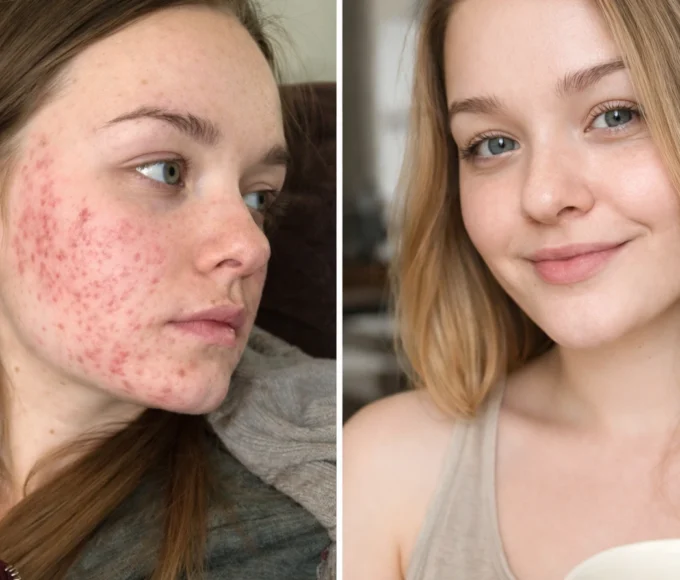
Most of the time, acne develops when pores become blocked with a mix of natural skin oil, dead skin cells, and bacteria. When this blockage forms, the surrounding skin may become inflamed, creating the red or swollen spots people recognize as pimples.
Even though breakouts can feel random, they usually develop from several small factors working together.
How Acne Begins Inside the Skin

To understand acne, it helps to know a little about how the skin normally functions. The skin is covered with many microscopic openings called pores. These openings are attached to tiny hair roots and small glands that produce a natural oil, which helps keep the skin soft and protected. These glands release sebum, an oily substance that helps keep skin soft and protected.
Under normal conditions, sebum moves smoothly through the pore and reaches the surface of the skin. Problems start when that pathway becomes blocked.
Sometimes dead skin cells do not shed properly and instead collect around the pore opening. When these cells mix with oil, they can create a small plug.
Inside a blocked pore, bacteria that normally live on the skin may begin to multiply. The body responds to this buildup with inflammation, which leads to the redness and swelling seen in many acne breakouts.
Because these changes occur gradually beneath the surface, pimples may appear suddenly even though the process started days earlier.
Why the Skin Produces Too Much Oil

Oil production is one of the biggest factors involved in acne. Sebum is necessary for healthy skin, but when oil glands become overactive, pores can become overloaded.
Hormones often play a major role in this process. During puberty, the body produces higher levels of hormones called ‘androgens’, which stimulate oil glands. This is why acne commonly begins during the teenage years.
Hormonal shifts later in life—such as during menstrual cycles, pregnancy, or periods of intense stress—can also increase oil production. Some people simply have oil glands that respond more strongly to these hormonal signals.
The Role of Dead Skin Cells
Your skin constantly renews itself. Old cells gradually move toward the surface and are shed to make room for new ones.
However, this shedding process does not always happen perfectly. When dead cells remain trapped inside pores, they combine with oil and create the blockages that lead to breakouts.
This buildup is one reason why gentle exfoliation can sometimes help keep pores clearer. But aggressive scrubbing often irritates the skin instead of helping it.
Bacteria and Inflammation
Bacteria naturally exist on the surface of healthy skin. One type, often associated with acne, can grow more easily when a pore becomes clogged.
As bacteria multiply inside the pore, the immune system may respond with inflammation. This reaction produces the redness, tenderness, and swelling that many people notice during breakouts.
Inflammation is not harmful on its own—it is simply the body trying to protect the skin—but it can make acne more visible and uncomfortable.
Everyday Factors That Can Worsen Breakouts
While internal changes start the process, certain daily habits can make acne more likely.
Touching the face frequently is one example. Hands carry oils and bacteria that may transfer to the skin.
Makeup can also contribute if products are very heavy or not removed thoroughly before sleep. Many people find that switching to lighter, non-comedogenic products helps reduce clogged pores.
Another overlooked factor is bedding. Pillowcases absorb sweat, oil, and skincare residue over time. If they are not washed regularly, those substances may come back into contact with the skin during sleep.
Sweating after exercise is normal and healthy, but leaving sweat on the skin for long periods can mix with oils and increase the chance of clogged pores.
Harsh skincare routines can also backfire. Strong cleansers and rough scrubs may strip the skin’s protective barrier, causing irritation and triggering additional oil production.
Different Ways Acne Can Appear on the Skin
Breakouts do not always look the same. Some pores become closed and form small white bumps known as whiteheads. Others remain open and develop dark spots called blackheads when the material inside reacts with air.
Red bumps without visible fluid are known as papules. When a bump contains pus at the center, it is usually called a pustule.
In some cases, acne develops deeper beneath the surface of the skin, forming larger and more painful lumps often referred to as cystic acne.
These deeper breakouts may take longer to heal and sometimes require medical treatment.
Natural Habits That May Help Reduce Breakouts

There is no overnight solution for acne, but several simple habits may help support healthier skin over time.
A gentle cleansing routine is one of the most important steps. Washing the face twice daily with a mild cleanser helps remove excess oil and environmental debris without irritating the skin.
Choosing skincare labeled non-comedogenic can also be helpful. These products are designed to reduce the likelihood of blocking pores.
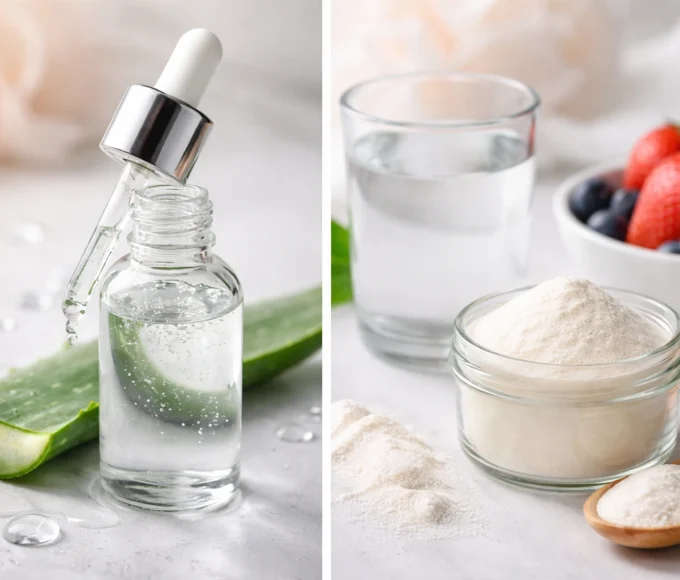
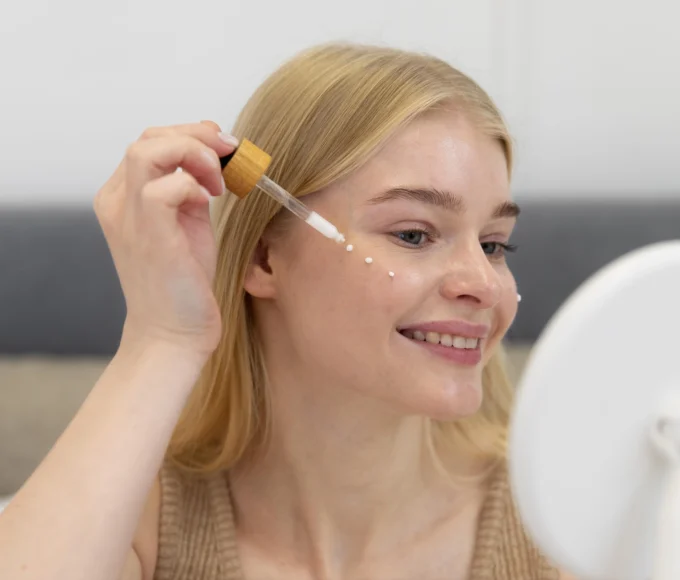
Many plant-based ingredients have long been used in skincare because they can help calm irritation and support the skin’s natural defense against bacteria. Tea tree oil, for example, contains compounds that may help reduce certain bacteria when diluted properly. Aloe vera is another widely used ingredient known for its calming effect on irritated skin.
Green tea extract, found in some skincare products, contains antioxidants that may support oil balance.
Daily habits outside the bathroom can also influence skin health. Eating a variety of foods like vegetables, fruits, whole grains, and protein sources helps the body work properly and stay nourished.
Managing stress through regular exercise, relaxation techniques, or time outdoors may also help reduce factors that contribute to breakouts.
Adequate sleep and hydration play supporting roles as well. When the body functions well overall, the skin often reflects that balance.
Simple Skin Habits That Make a Difference
Consistent routines usually work better than complicated skincare regimens.
Washing your face too frequently can remove the skin’s protective oils, which may leave it feeling dry, tight, or irritated. In most cases, cleansing twice a day is enough.
Picking at pimples is another habit worth avoiding. Squeezing blemishes can push bacteria deeper into the skin and increase the chance of scarring.
Changing pillowcases regularly helps limit the buildup of oils and debris that come into contact with the face during sleep.
Removing makeup before bed is equally important. Leaving cosmetics on overnight may trap oil and dirt in pores.
When Breakouts Need Professional Attention
Mild acne often improves with steady skincare and lifestyle adjustments. But sometimes breakouts become more persistent or severe.
Painful, deep cysts or acne that leaves visible scars may require evaluation by a dermatologist.
Professional care may also help when breakouts continue for long periods despite careful skincare routines.
A dermatologist can examine the skin and recommend treatments based on the specific type of acne present.
FAQs:
What usually causes acne breakouts?
Most breakouts develop when pores become clogged with oil and dead skin cells. Bacteria and inflammation may then lead to visible pimples.
Can food influence acne?
Certain foods that cause rapid blood sugar spikes may worsen breakouts in some people, although diet alone is rarely the only factor.
Does stress make acne worse?
Stress can influence hormone levels and oil production, which may increase the likelihood of breakouts for some individuals.
Do natural remedies work for acne?
Natural approaches such as gentle skincare and soothing ingredients may support skin health. However, they typically work gradually rather than producing immediate results.
How long does acne usually take to improve?
Because skin renews itself slowly, noticeable improvement often takes several weeks of consistent care.
Disclaimer
This article is for informational purposes only and should not replace professional medical advice. If you experience persistent or severe acne, consult a qualified healthcare professional.





Leave a comment