




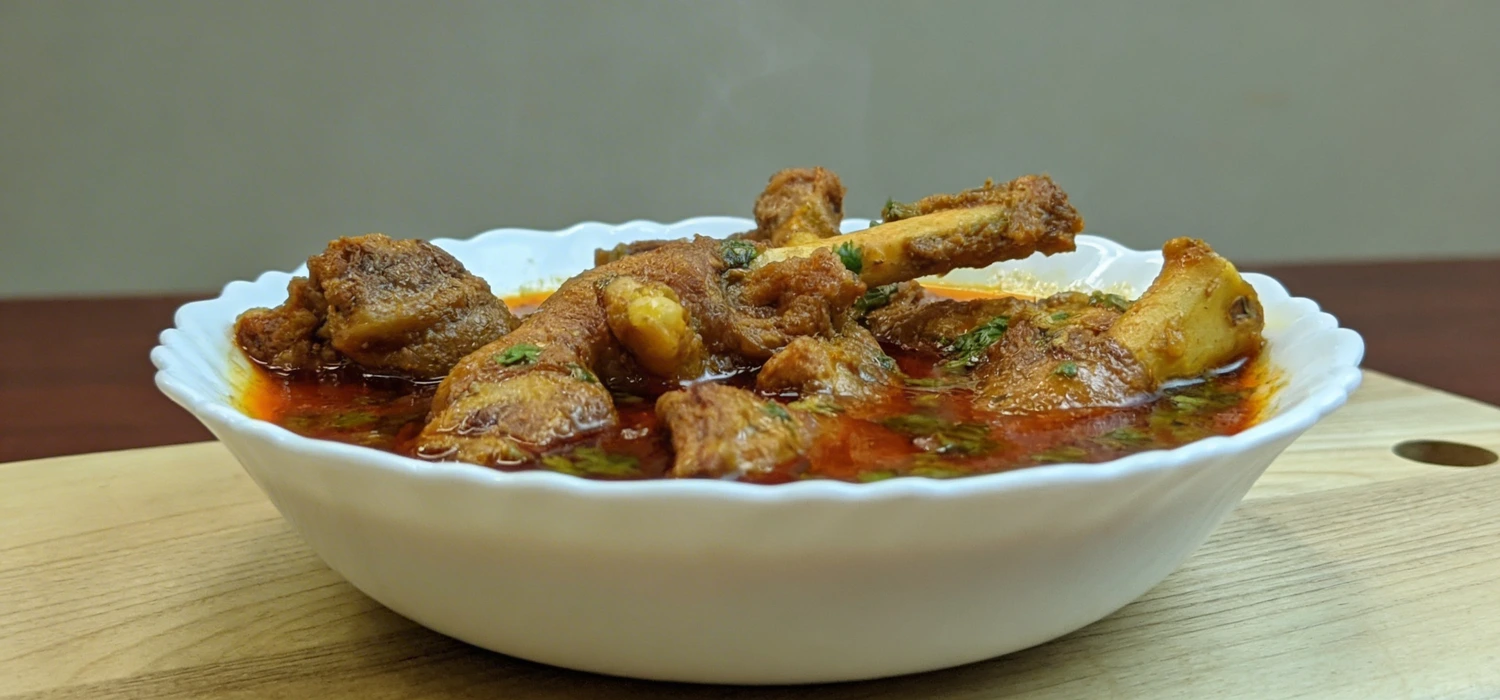
What happens to your body when you drink goat paya soup is that you are taking in a slow‑cooked broth made from goat trotters, bones, and connective tissue. This soup is naturally rich in collagen, gelatin, protein, amino acids, and minerals like calcium, phosphorus, iron, and zinc, plus some fat. Drinking goat paya soup may help support joint comfort, digestion, and recovery, especially when portion size is reasonable and the soup is part of a varied, balanced diet. How much benefit you see depends on how the soup is prepared and how often you eat it.
What goat paya soup actually is
Goat paya soup, also called goat trotters soup or goat leg soup, is usually made by simmering goat feet and bones for several hours, often with marrow, onions, garlic, and simple spices. Long cooking breaks down tendons, cartilage, and connective tissue, so collagen and gelatin move into the broth, along with some protein and minerals.
This soup is traditionally eaten as a warming, hearty meal, often in cold weather or when someone feels weak or recovering. It is not a medicine, not a “detox” drink, and it will not reverse disease. It is a nutrient‑rich food that can add useful calories, protein, and minerals when prepared wisely.
What’s actually in paya soup
Goat paya soup generally contains collagen and gelatin from bones and tendons, plus meat protein and amino acids such as glycine and proline. These amino acids can be used by the body to build and repair different tissues, including joint structures and parts of the gut lining. Minerals like calcium and phosphorus, along with iron and zinc, may also enter the broth from bone and meat, especially with longer cooking.
If the soup is made with fatty pieces or with marrow left in, it can be high in saturated fat and cholesterol. Skimming visible fat from the top and removing some marrow can reduce this. The exact nutrition (how much protein, fat, and minerals it delivers) depends on cooking time, how much meat and fat are used, and what ingredients are added (oil, ghee, salt, or spices).
What it may do for your joints and bones
Collagen and gelatin in goat paya soup may help support the body’s joint structures by providing amino acids that can be used to maintain cartilage and connective tissue. For some people, a warm, gelatin‑rich broth can feel soothing when joints are stiff or after physical activity. Gelatin‑containing broths are often linked with mild joint comfort, but they are not a treatment for arthritis or joint disease.
Minerals like calcium and phosphorus contribute to bone structure, but they do not rebuild or “heal” bones by themselves. Any benefit of paya soup for joints and bones is best seen as light nutritional support, not a medical therapy.
What it may do for your gut and digestion
Gelatin‑rich broths like goat paya soup may help soothe and protect the lining of the gut, because gelatin can interact with the mucous layer in the digestive tract. A warm, savory broth can also stimulate saliva and digestive juices, which may mildly help digestion in some people. Amino acids such as glycine and proline, released from collagen and gelatin, may support general tissue repair, including the gut lining, when part of an adequate diet.
However, if the soup is very fatty, rich, or heavily spiced, it can cause bloating, heaviness, or discomfort in people with sensitive stomachs, acid reflux, or irritable bowel symptoms. How well it is tolerated depends on portion size, fat content, and individual digestion.
What it may do for your immune system
Goat paya soup can provide some zinc, iron, and amino acids, all of which play roles in immune function. Zinc and iron support immune‑cell activity, and amino acids help maintain the body’s protein‑synthesis capacity, including for immune proteins. Warm liquids like paya soup can also help with hydration, which can be useful during a cold, fever, or weakness.
However, this soup is not a strong “immune booster” and will not protect you from infections or cure illness. It may help support nutrition when appetite is low, but it cannot replace medical care, sleep, rest, or a varied diet rich in different foods.
What about skin and hair claims
The collagen in paya soup is broken down into amino acids during digestion, and then the body uses those amino acids where they are needed, including for skin and hair proteins. There is no strong evidence that drinking goat paya soup directly “tightens” skin, reduces wrinkles, or makes hair grow faster overnight. Any effect would be indirect and mild, tied to overall protein and nutrient intake over time.
Skin and hair health depend more on long‑term diet, hydration, sleep, and genetics than on any single food eaten occasionally. Paya soup can be one source of protein and other nutrients, but it should not be expected to fix sagging skin or hair loss by itself.
Energy and recovery effects
Because goat paya soup is relatively calorie‑dense thanks to protein and fat, it can provide energy and help maintain body weight, which can be helpful when someone is weak, recovering from illness, or underweight. The protein it contains may support muscle repair and maintenance, which can be useful for older adults, convalescing patients, or people active in sports.
Still, if the soup is fatty or rich, it can feel heavy and may be hard to digest for some people. Portion control and frequency matter: paya soup can be a useful recovery meal, but it should be balanced with lighter foods and not eaten in very large amounts every day.
What if you drink it every day?
Drinking goat paya soup daily can increase your regular intake of protein and calories, which may be helpful for underweight people or those needing extra nourishment. However, it can also raise daily fat and saturated‑fat intake, especially if the soup is made with fatty cuts or unskimmed marrow. For people who already have high cholesterol or heart‑related concerns, frequent rich paya soup may not be ideal.
For many people, eating goat paya soup about 2–3 times per week, in moderate portions, is more appropriate than daily use. The exact ideal pattern depends on overall diet, health goals, and any medical conditions.
Who should be more careful
Heart patients and people with high LDL cholesterol should be cautious because paya soup can be high in saturated fat and cholesterol, especially if prepared with fatty cuts and marrow. Those with gout may want to limit it, because slow‑cooked animal broths can be relatively high in purines, which can trigger flare‑ups.
People with kidney disease who are on a low‑protein diet should talk to a clinician before adding high‑protein broths to their routine. Anyone with sensitive digestion may find very rich, fatty versions hard to tolerate and may do better with smaller portions or a leaner preparation. Anyone with a chronic condition should discuss how often they can safely eat paya soup with a healthcare provider.
Common myths about paya soup
Some people believe that goat paya soup can cure arthritis or “fix” joints completely, but in reality it may only mildly support joint health as part of a healthy lifestyle. Others think it can cure a cold or fever right away, but it mainly provides comfort, calories, and hydration while the immune system does the work.
There is also a myth that paya soup will make skin “glow” overnight or that it can be eaten in unlimited amounts without any downside. There is no evidence that one soup can strongly change skin appearance, and very rich, fatty versions can add excess calories and fat. Paya soup does not “melt fat” for weight loss; in fact, it can increase daily energy intake if not eaten mindfully.
Advantages and disadvantages
Advantages
- Nutrient‑rich source of protein, collagen, and minerals
- May support joint comfort and recovery nutrition
- Can be a comforting, warming meal during weakness or cold weather
- Warm broth may help with mild hydration and digestion
Disadvantages
- Can be high in fat and calories, especially if very rich
- May raise cholesterol and saturated‑fat intake if eaten often
- Can be hard to digest for some people and may cause discomfort
FAQs:
Is goat paya soup good for health?
Goat paya soup can be part of a healthy diet when consumed in moderation. It provides protein, collagen-derived amino acids, and minerals.
What are the disadvantages of paya soup?
Paya soup can be high in fat and calories, especially if not skimmed properly. Frequent large portions may contribute to weight gain or increased cholesterol levels in some people.
Is paya soup good for heart patients?
Heart patients should be cautious. The soup may contain high saturated fat, which can affect cholesterol levels. Medical guidance is recommended before regular consumption.
Can I drink paya soup daily?
Daily consumption may increase calorie and fat intake. For many people, moderate intake a few times per week fits better into a balanced diet.
Does goat leg soup help with joint pain?
It may help support joint comfort by providing collagen-derived amino acids. However, it does not cure joint conditions or replace medical treatment.
Is paya soup hard to digest?
For some people, especially when very fatty, it can feel heavy or cause discomfort. Lighter preparation improves digestibility.
Is goat paya soup good for weight loss?
Paya soup is calorie-dense and not designed for weight loss. Large portions may slow weight management efforts.
Does paya soup increase cholesterol?
Regular intake of fatty preparations may raise cholesterol levels in some individuals. Skimming fat and moderating portions can help.
Is paya soup good during fever or weakness?
It is often consumed during weakness because it is warm and nourishing. It supports hydration and nutrition but does not treat illness.
What are the side effects of drinking goat paya soup?
Possible effects include heaviness, acidity, weight gain, or cholesterol increase if consumed in excess. Individual tolerance varies.
DISCLAIMER
This article is for informational purposes only and is not intended as medical advice. Goat paya soup should be consumed in moderation as part of a balanced diet. People with medical conditions should consult a qualified healthcare professional before making dietary changes.




Leave a comment