




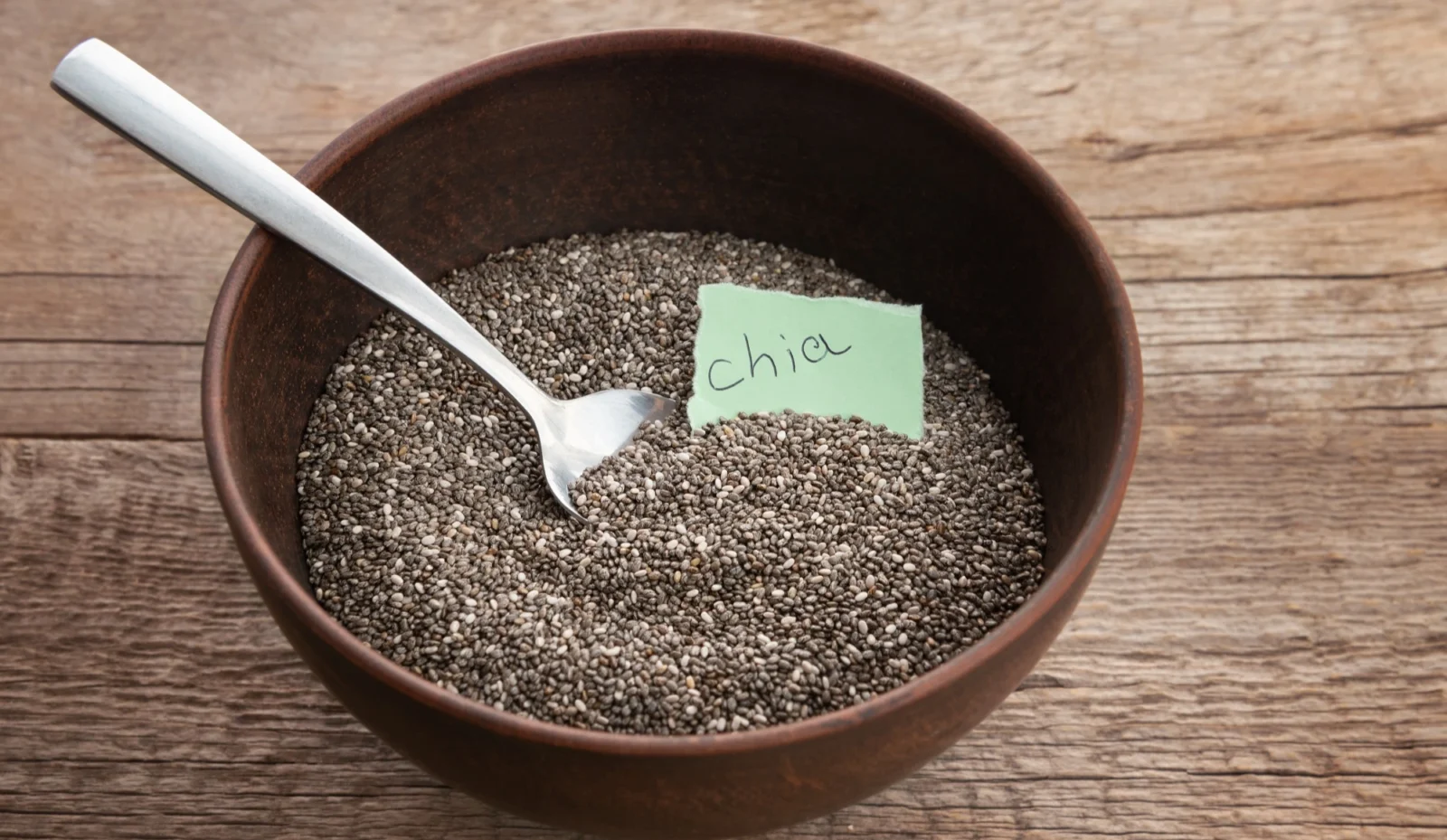
Chia seeds are often touted as an easy health addition, readily available in stores, packed with Fibre, and widely praised for their daily health benefits. However, not everyone’s body responds the same way. Problems usually occur when excessive fiber, fluid absorption, and various health conditions occur simultaneously.
For most people, chia seeds are harmless. For some people, these can be ineffective or even dangerous if used carelessly. Understanding what to be cautious about is more important than blindly following trends.
1) People With Swallowing Difficulties (Dysphagia)
This is one of the most serious, but not properly understood, risks.
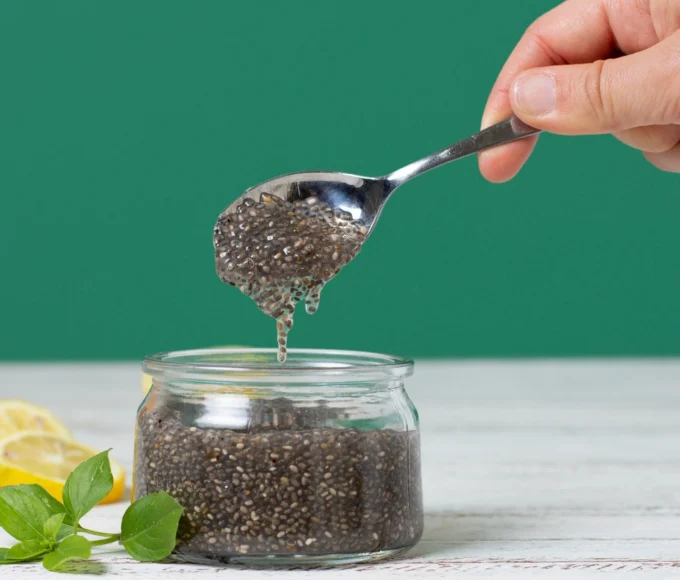
Chia seeds absorb liquid quickly and dissolve into a gel-like texture. When eaten dry or mixed lightly, they can cause bloating after swallowing. For people who have difficulty swallowing, swallowing them can cause the seeds to lodge in the throat or the food pipe.
That’s why doctors always recommend eating chia seeds only after thoroughly soaking them. This danger is not theoretical – it comes from the physical behaviour of the seed.
2) People Taking Blood-Thinning Medication
You may come across warnings that chia seeds may interact with certain medications. However, such statements are often left unexplained, offering little clarity on what the interaction actually means in everyday life.
Chia seeds are naturally rich in omega-3 fatty acids, which have a mild blood-thinning effect. On their own, this is not a problem for healthy individuals. The concern arises when someone is already taking anticoagulant or antiplatelet medication.
In that situation, the effects may stack rather than cancel out. This does not mean chia seeds must be avoided completely, but it does mean quantity and consistency matter, and professional guidance becomes important.
3) People With Sensitive Digestion (IBS or Similar Conditions)
Chia seeds contain a high concentration of fibre, which is beneficial—but only when introduced gradually.
For people with sensitive digestion, a sudden increase in fibre can trigger cramping, bloating, gas, or an urgent need to use the bathroom. These reactions are not a sign that chia seeds are “bad”; they are a sign that the gut is overwhelmed.
Small portions and slow adjustment are essential here. Many digestive complaints linked to chia seeds are caused by too much, too fast.
4) People Already Eating a High-Fibre Diet
This group is often overlooked.
If your daily meals already include whole grains, beans, lentils, vegetables, and fruit, your fibre intake may already be high. Adding chia seeds on top of this can push intake beyond what your digestive system comfortably handles.
The result is not improved health but discomfort. More fibre does not automatically mean better digestion. Balance matters more than quantity.
5) People Who Do Not Drink Enough Water
Chia seeds absorb many times their weight in liquid. If there is not enough fluid available in the digestive tract, this absorption can work against the body rather than with it.
Insufficient hydration may lead to constipation, a heavy feeling in the stomach, or digestive slowdown. Chia seeds are not the problem here—hydration is.
Anyone using chia seeds regularly should ensure fluid intake increases alongside them.
6) People Prone to Food Allergies
Allergic reactions to chia seeds are uncommon, but they do occur.
Symptoms may include itching, skin rashes, swelling of the lips or face, or breathing discomfort. These reactions usually appear soon after consumption and should not be ignored.
Anyone experiencing such symptoms should stop using the seeds and seek medical advice before trying them again.
7) People Expecting Immediate Results
Chia seeds are often marketed as a shortcut solution for digestion, weight control, or energy. This expectation leads many people to consume large amounts too quickly.
The body needs time to adapt to dietary changes, especially fibre-rich foods. Increasing intake rapidly does not speed up benefits; it increases the chance of side effects.
Consistency and moderation matter far more than enthusiasm.
8) How Professionals Suggest Using Chia Seeds Safely
After all the cautions, the solution is straightforward:
- Start with a small amount
- Always soak the seeds before eating
- Increase intake gradually
- Pay attention to how your body responds
For most people, chia seeds fit well into daily eating habits when introduced with care rather than force.
The Bottom Line
Chia seeds are not dangerous, but they are powerful in small ways. Their ability to absorb liquid and deliver fibre means they deserve respect, not excess.
When used thoughtfully, they suit many diets. When used carelessly, they can cause avoidable problems. Listening to your body—and adjusting accordingly—is what turns a health trend into a sustainable habit.
Disclaimer
This article is for general information only and does not replace professional medical advice. Individual reactions to foods vary. Always consult a qualified healthcare professional for personal dietary guidance.
Latest Posts: –
- What Happens to Your Skin When You Add a 5-Seed Trail Mix to Your Daily Diet
- Jogging vs Brisk Walking: Which Is Better for Weight Loss?
- 7 Homemade Drinks That May Help Improve Iron Deficiency and Boost Energy Levels
- Drinking Olive Oil Daily: Real Benefits, Side Effects & What Experts Want You to Know
- What are people thinking about Zepbound and sleep apnea?






Leave a comment