




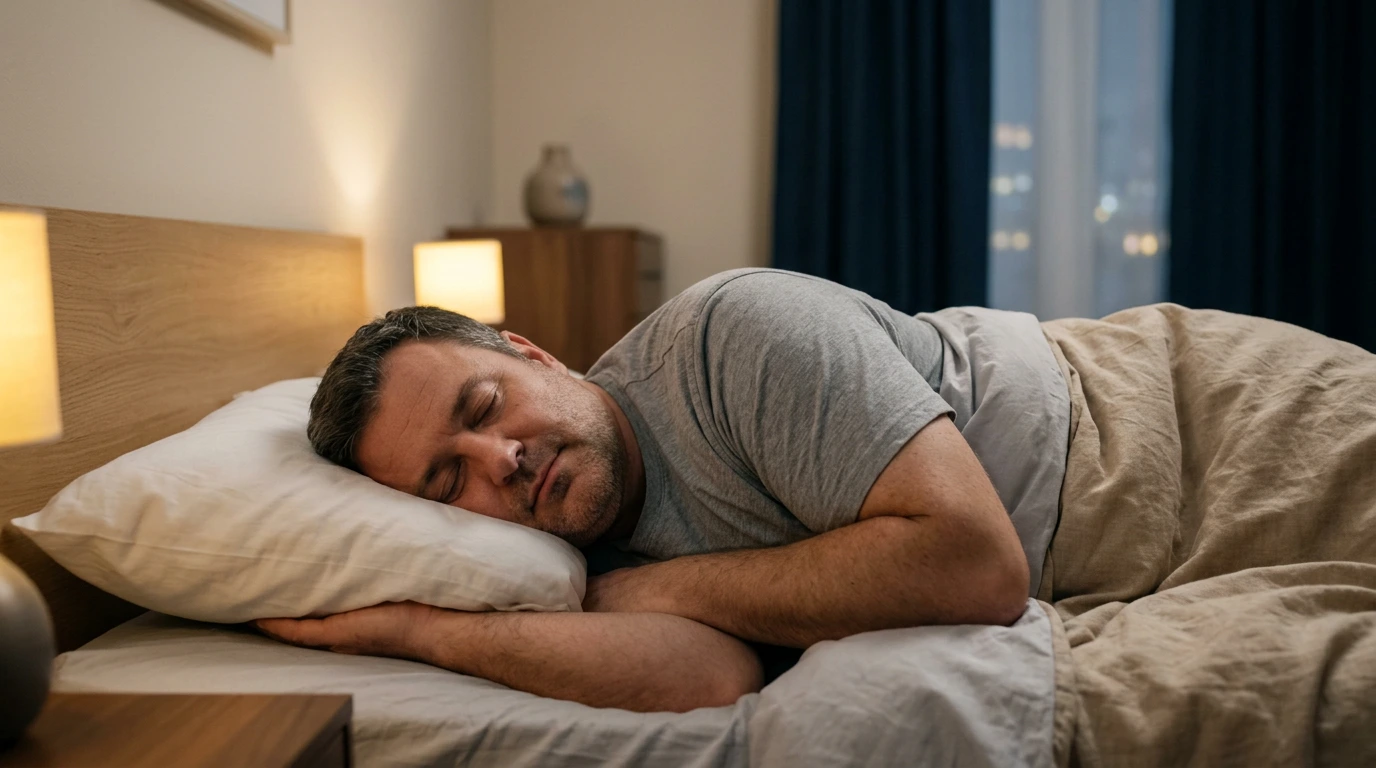
Why doctors are studying weight‑loss medications for sleep apnea is straightforward: obesity is a major risk factor for obstructive sleep apnea (OSA), and research shows that losing weight can reduce airway obstruction during sleep. Newer medications, such as GLP‑1‑based drugs, help many people achieve meaningful weight reduction. Doctors are now testing whether using these weight‑loss medications can also lower the severity of OSA, especially in adults whose sleep apnea is linked to excess weight.
The link between obesity and sleep apnea
Obstructive sleep apnea occurs when the soft tissues in the upper airway relax too much during sleep, causing the airway to narrow or briefly collapse. This leads to repeated breathing pauses, snoring, and frequent micro‑awakenings that interfere with rest.
Excess fat around the neck and tongue can physically narrow the airway and increase pressure on it every time the person inhales. That added pressure makes it easier for the airway to collapse during sleep. For many people, weight reduction can ease this pressure, improve airflow, and reduce the number and length of breathing pauses. Research suggests that weight loss is often associated with lower apnea‑hypopnea index scores and fewer severe breathing events.
Not all OSA is caused by weight, but obesity is one of the strongest modifiable risk factors. Some people have naturally narrow airways, large tonsils, or other anatomical features that contribute to OSA even at a normal weight. That is why doctors look at the whole picture, not just body size, when planning treatment.
What weight‑loss medications do
Weight‑loss medications such as GLP‑1 receptor agonists are designed to help the body regulate appetite and metabolism. They act on hormone pathways in the brain and gut that signal fullness and slow how quickly food leaves the stomach.
These drugs have been shown to reduce appetite, increase feelings of satiety, and support weight reduction over time. In clinical trials, many participants using GLP‑1–based medications lost a significant amount of body weight compared with those on placebo.
By helping people eat less and maintain a lower calorie intake, these medications can support long‑term weight management for some adults. They are not a short‑term fix, and they work best when combined with lifestyle changes.
What studies are showing so far
Doctors are studying weight‑loss medications for sleep apnea because early data suggest that reduced body weight can improve OSA outcomes. Clinical studies indicate that people who lose weight often see fewer breathing pauses per hour, measured by the apnea–hypopnea index (AHI).
In trials involving GLP‑1 drugs, participants with obesity and OSA who lost weight tended to have lower AHI scores and less severe symptoms. These improvements appear to be linked to changes in body mass and fat distribution, especially around the neck and upper airway.
Researchers are evaluating whether these medications, when used as part of a broader plan, can meaningfully reduce OSA severity over time. Results appear promising but are still being studied, and the evidence is strongest for people whose OSA is clearly related to obesity.
Not every study patient responds in the same way, and some people still have persistent OSA even after weight loss. The current message is that weight‑loss medications may help certain patients, but they are not a guaranteed solution for everyone.
Can weight‑loss drugs replace CPAP?
Continuous positive airway pressure (CPAP) remains the standard first‑line treatment for many people with moderate‑to‑severe obstructive sleep apnea. CPAP directly keeps the airway open during sleep, and it has a long track record of improving breathing, blood oxygen levels, and daytime symptoms.
Weight‑loss drugs are being studied as supportive therapy, not as a proven substitute for CPAP in most guidelines. For many patients, CPAP use may still be needed even after weight reduction, especially if the airway anatomy does not change enough.
Not all sleep apnea is caused by weight. Structural issues such as a very narrow jaw, enlarged tonsils, or a short upper airway can still require CPAP, oral appliances, or surgery. Doctors usually view weight‑loss medications as one tool that may complement, but not replace, established OSA treatments.
Who might benefit most?
Patients with obesity‑related obstructive sleep apnea are the main focus of this research. These are often adults whose OSA severity appears to worsen with higher body weight and improves when they lose pounds.
People who have struggled to reach weight‑loss goals with diet and exercise alone may be considered for weight‑loss medications if they meet medical criteria. Such patients are typically under medical supervision, with regular monitoring of blood pressure, kidney function, diabetes status, and other health measures.
Not everyone with OSA is a candidate for these drugs. Eligibility depends on overall health, other conditions, and the potential risks and benefits, which a clinician evaluates before prescribing.
Risks and medical considerations
Like other prescription medications, weight‑loss drugs can cause side effects. Common issues include nausea, vomiting, diarrhea, constipation, and stomach discomfort, especially when starting or increasing the dose. These symptoms often improve over time but can be bothersome for some people.
More serious, though less common, risks include pancreatitis, gallbladder disease, kidney problems, and changes in blood sugar, particularly in people with diabetes. Because of these possibilities, these medications require physician oversight and periodic check‑ups.
Certain medical histories, such as a history of medullary thyroid cancer or specific genetic syndromes, may make some GLP‑1 drugs unsuitable. A healthcare provider will review the full medical background and decide whether the benefits outweigh the risks for each patient.
What this research means right now
These medications are not a universal cure for sleep apnea. They may help reduce severity in certain patients, especially those whose OSA is strongly linked to obesity. Clinical studies suggest that weight reduction supported by these drugs can improve airway function and lower the number of breathing events during sleep.
Long‑term outcomes—how well OSA stays improved over many years and how stable the benefits are after stopping medication—are still being evaluated. Treatment decisions must be individualized, with doctors weighing the person’s symptoms, weight, anatomy, and other health conditions.
For now, weight‑loss medications are viewed as one of several tools in the broader toolkit for OSA care, alongside CPAP, lifestyle changes, and other therapies. They may be especially useful for people who need additional support beyond diet and exercise alone.
Why this topic is getting attention
Obesity rates are rising, and more people are being diagnosed with obstructive sleep apnea than in previous decades. At the same time, GLP‑1–based weight‑loss drugs have become widely discussed in both medical circles and public media.
Sleep specialists and general physicians are paying closer attention to how weight‑loss medications affect breathing during sleep, because many patients want options beyond CPAP. Medical conferences and journals are increasingly featuring studies on GLP‑1 drugs and OSA, which adds to the visibility of this topic.
Patients also see headlines about “new treatments for sleep apnea” and naturally ask whether weight‑loss drugs can help them breathe better at night. This confluence of rising obesity, new medications, and increased OSA awareness is why the question “Why doctors are studying weight‑loss medications for sleep apnea” is trending.
Clear final summary
Obesity is strongly linked to obstructive sleep apnea because excess fat can narrow and press on the upper airway during sleep. Weight loss may reduce airway obstruction, improve breathing, and lower the severity of OSA in many people.
New weight‑loss medications, such as GLP‑1–based drugs, help achieve meaningful weight reduction for some adults and are being studied to see if this can improve OSA outcomes. These medications may help certain patients, but they are not a universal cure and must be used under medical supervision.
More research is ongoing to understand how long‑lasting and consistent these benefits are over time. For now, doctors continue to use established treatments like CPAP while exploring how weight‑loss medications can fit into a personalized, patient‑centered approach to sleep apnea care.
FAQ:
Can weight‑loss medication treat sleep apnea?
Weight‑loss medications are being studied as a way to improve obstructive sleep apnea, especially in people whose OSA is linked to obesity. Research suggests that losing weight can reduce airway obstruction and lower breathing‑pause frequency, but these drugs are not a direct cure for OSA. They are usually considered supportive therapy, used alongside other treatments as part of a broader plan.
Is sleep apnea caused by obesity?
Obesity is a major risk factor for obstructive sleep apnea, but it is not the only cause. Excess fat in the neck and upper airway can narrow the breathing passage and increase the chance of collapse during sleep. However, some people with normal weight also develop OSA due to anatomy, large tonsils, or other factors.
Does losing weight improve sleep apnea?
Research shows that losing weight is often associated with fewer breathing pauses and less severe symptoms of OSA. Weight reduction can ease pressure on the airway and improve airflow, sometimes enough to reduce treatment needs. However, some people still have OSA after weight loss, especially if other structural issues are present.
DISCLAIMER
This article is for informational purposes only and does not constitute medical advice. Weight‑loss medications and sleep apnea treatment should only be used under the supervision of a qualified healthcare professional. Always consult a doctor or sleep specialist for diagnosis, management, or changes related to obstructive sleep apnea or weight management. This article is not a substitute for personalized medical care and does not claim that weight‑loss medications can cure sleep apnea.









Leave a comment