




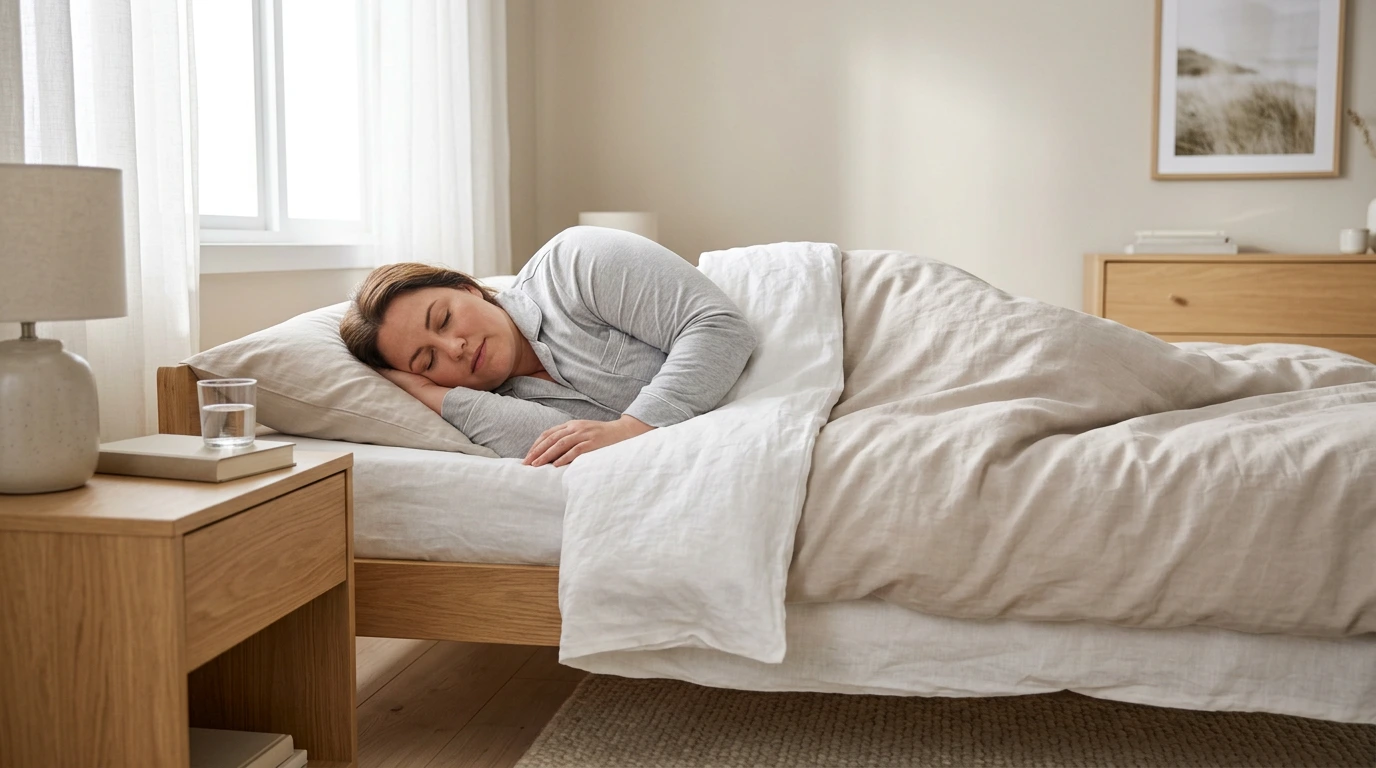
Zepbound and sleep apnea have become a common search phrase because Zepbound (tirzepatide) is a weight‑loss medication, and obesity is a major risk factor for obstructive sleep apnea (OSA). Research shows that shedding excess pounds can reduce the frequency and severity of breathing pauses during sleep, which is why people are now asking whether Zepbound can help improve OSA symptoms. While Zepbound is not a direct “sleep apnea pill,” early trials and a recent FDA approval suggest it may support better breathing at night for some adults who have both obesity and moderate‑to‑severe OSA.
What people are really asking
Many patients are quietly searching “Zepbound and sleep apnea” because they want less bulky treatment than a CPAP machine, or they worry their weight is making their symptoms worse. They are also concerned about side effects, cost, and whether insurance will cover Zepbound if the main problem is sleep apnea.
What is Zepbound?
Zepbound is the brand name for the drug tirzepatide, an injectable medication that acts on two hormone pathways in the body: GLP‑1 and GIP receptors. Originally developed for type 2 diabetes, tirzepatide was later approved as a chronic‑weight‑management drug because it helps people feel fuller sooner, reduces appetite, and supports sustained weight loss over time.
In simple terms, Zepbound “talks” to the brain and gut to slow stomach emptying, increase feelings of fullness, and help people eat less without constant hunger. It is not a short‑term diet fix; it is designed for long‑term use in people who meet specific medical criteria, under the care of a healthcare provider.
Why weight and sleep apnea are connected
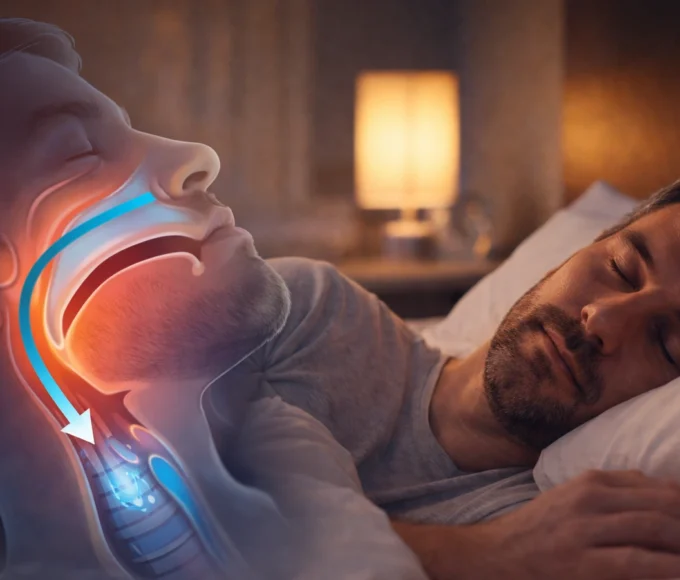
Obstructive sleep apnea happens when the muscles and tissues in the upper airway relax too much during sleep, causing the airway to narrow or briefly collapse. This leads to breathing pauses, snoring, gasping, and frequent micro‑awakenings that disrupt sleep quality.
Excess weight, especially around the neck and upper body, adds soft tissue that can press inward on the airway. Fat in the tongue, soft palate, and neck can make the airway narrower, meaning even small amounts of relaxation can trigger obstruction. Research shows that weight loss can reduce pressure on the airway, lessen obstruction, and may improve the number and length of breathing pauses.
That said, not all OSA is caused by weight. Some people have naturally narrow airways, large tonsils, or other anatomical factors that can lead to OSA even at a normal weight.
What studies have found so far
Most of the current data on Zepbound and sleep apnea come from trials focused on tirzepatide’s use in people with moderate‑to‑severe OSA who also have obesity. One major phase 3 trial specifically looked at whether tirzepatide could reduce the apnea–hypopnea index (AHI), which measures how many breathing pauses or shallow breaths occur per hour of sleep.
Clinical trials indicate that participants using tirzepatide lost more weight than those on placebo, and that weight loss was associated with a noticeable drop in AHI. Early results suggest that people receiving tirzepatide saw meaningful reductions in the number of breathing events per hour, while those on placebo had much smaller changes.
Based on these findings, the FDA approved Zepbound in late 2024 for the treatment of moderate‑to‑severe obstructive sleep apnea in adults with obesity, when used alongside a reduced‑calorie diet and increased physical activity. This makes Zepbound the first medication specifically approved to address OSA in this group, but it is intended as part of a broader plan, not a standalone fix.
It is important to note that these benefits were seen mainly in people with obesity‑related OSA; the data do not imply that Zepbound will help everyone with OSA, regardless of weight or underlying cause.
What people are actually asking
Is Zepbound approved for sleep apnea?
Yes. In December 2024 the FDA approved Zepbound (tirzepatide) for moderate‑to‑severe obstructive sleep apnea in adults who have obesity, to be used with diet and exercise. This approval is specific to that group and does not mean Zepbound is automatically indicated for all OSA cases. Regulatory labels and medical societies still emphasize that CPAP and other established treatments remain central, and Zepbound is an additional tool for eligible patients.
Can Zepbound replace CPAP?
No. Sleep‑medicine experts stress that continuous positive airway pressure (CPAP) remains the first‑line treatment for many people with moderate‑to‑severe OSA. Zepbound may help reduce the severity of OSA in some patients, but it is not a proven substitute for CPAP in most current guidelines. If someone is already using CPAP, they should not stop or change their therapy without discussing it with a clinician.
Does weight loss cure sleep apnea?
Weight loss does not reliably “cure” sleep apnea, but it often improves it. Research shows that losing weight can reduce AHI, snoring, and oxygen‑desaturation dips, sometimes enough to change a moderate‑severity case into a mild one or improve quality of life. However, some people continue to have OSA even after significant weight loss, especially if they have other risk factors such as a narrow jaw, large tonsils, or a family history.
Who might benefit most?
The people most likely to benefit from Zepbound, in the context of OSA, are adults with moderate‑to‑severe obstructive sleep apnea and obesity who are under medical supervision. This includes those who have not reached their treatment goals with CPAP alone, or who struggle with weight loss using lifestyle changes and other therapies. Decisions about whether Zepbound is appropriate depend on a full medical evaluation, including heart, kidney, and other health conditions.
Will insurance cover Zepbound for sleep apnea?
Coverage depends on the diagnosis, the insurer, and the specific plan. Some insurers may cover Zepbound for OSA when it is prescribed according to FDA‑approved criteria (adults with obesity and moderate‑to‑severe OSA), but others may still treat it primarily as a weight‑loss or diabetes drug and apply stricter rules. Patients often need prior authorization, documentation of OSA severity, and proof of prior attempts at standard therapies before coverage is granted.
What this does not mean
Despite the buzz, Zepbound and sleep apnea should not be framed as a magic solution. Not everyone with OSA has obesity, and not all OSA improves with weight loss. Some people may see only modest changes in breathing pauses even with substantial weight reduction.
Medications like Zepbound also carry side‑effect risks and are not suitable for everyone. They are not a one‑size‑fits‑all tool, and long‑term data on how tirzepatide affects OSA over many years are still emerging.
Risks and considerations
Like other GLP‑1–based drugs, Zepbound can cause gastrointestinal side effects such as nausea, vomiting, diarrhea, constipation, and stomach discomfort, especially when starting or increasing the dose. These often improve over time, but they can be uncomfortable enough that some patients stop treatment.
There are also more serious, though less common, risks, including pancreatitis, gallbladder disease, kidney problems, and changes in blood sugar, especially in people with diabetes. Because of these possibilities, Zepbound must be used under close medical supervision, with regular check‑ins and lab tests as needed.
Certain groups, such as people with a history of medullary thyroid cancer or multiple endocrine neoplasia syndrome type 2, should usually avoid tirzepatide‑class drugs. A healthcare provider will weigh the individual’s full medical history before deciding whether the benefits outweigh the risks.
Where Zepbound fits in OSA care today
For now, CPAP remains the cornerstone treatment for many people with moderate‑to‑severe obstructive sleep apnea. It directly splints the airway open and has a long track record of improving breathing, blood pressure, and daytime sleepiness.
Weight loss—through diet, exercise, medications like Zepbound, or bariatric surgery—can complement CPAP and, in some cases, reduce how much pressure is needed or how severe the disease appears. Sleep‑medicine specialists increasingly talk about a “personalized” approach: using CPAP, positional therapy, dental devices, surgery, and weight‑management strategies in combination, depending on the person’s anatomy, weight, symptoms, and preferences.
Zepbound is one new piece of that puzzle for eligible patients, not a replacement for a carefully built OSA‑care plan.
Why this topic is trending
The discussion around Zepbound and sleep apnea is rising because several forces are colliding at once. Obesity rates are climbing, and more people are being diagnosed with obstructive sleep apnea than in past decades. At the same time, GLP‑1 drugs like tirzepatide and others have become widely advertised weight‑loss tools, so patients naturally ask whether they can also help with sleep.
Media coverage and social‑media posts have amplified interest, with headlines highlighting “first drug approved for sleep apnea.” That wording can sound dramatic, but it simply reflects a regulatory milestone: Zepbound is the first medication specifically approved to treat OSA in adults with obesity, not a cure‑all that makes CPAP or sleep studies obsolete.
Clear takeaway
Zepbound is being studied and discussed in the context of sleep apnea because weight loss can improve the severity of obstructive sleep apnea, and tirzepatide helps many people lose weight. It is not a cure, and it will not replace CPAP for most patients. For some adults with obesity and moderate‑to‑severe OSA, Zepbound may be an additional tool that, under medical supervision, helps reduce breathing pauses and improve overall treatment outcomes.
FAQs:
Can Zepbound treat sleep apnea?
Zepbound (tirzepatide) is approved to help treat moderate‑to‑severe obstructive sleep apnea in adults with obesity, when used with diet and exercise. It appears to reduce breathing‑pause frequency mainly by supporting weight loss, not by directly fixing the airway.
Is Zepbound FDA approved for OSA?
Yes. In December 2024, the FDA approved Zepbound for moderate‑to‑severe obstructive sleep apnea in adults with obesity. This approval was based on clinical trials showing that tirzepatide reduced AHI and improved OSA symptoms in this group.
Does losing weight improve sleep apnea?
Research shows that weight loss is often associated with fewer breathing pauses, less snoring, and improved oxygen levels during sleep. It may reduce the severity of OSA, sometimes enough to change how treatment is needed, but it does not always eliminate OSA entirely.
Can you stop using CPAP after weight loss?
Some people who lose weight may need lower CPAP pressure or have milder OSA, but many still benefit from continuing CPAP. Patients should never stop or change CPAP on their own; any adjustment should be guided by a sleep specialist and follow‑up sleep testing.
How does tirzepatide affect breathing during sleep?
Tirzepatide mainly affects breathing during sleep indirectly, by helping people lose weight and reducing soft‑tissue pressure on the upper airway. Clinical trials observed fewer breathing pauses per hour (lower AHI) in participants using tirzepatide, linked to weight‑loss effects rather than a direct change in breathing control.
DISCLAIMER
This article is for informational purposes only and does not constitute medical advice. Zepbound and other weight-loss medications should only be used under the supervision of a qualified healthcare professional. Always consult a doctor or sleep specialist for diagnosis, treatment, or changes related to sleep apnea or weight management.







Leave a comment