


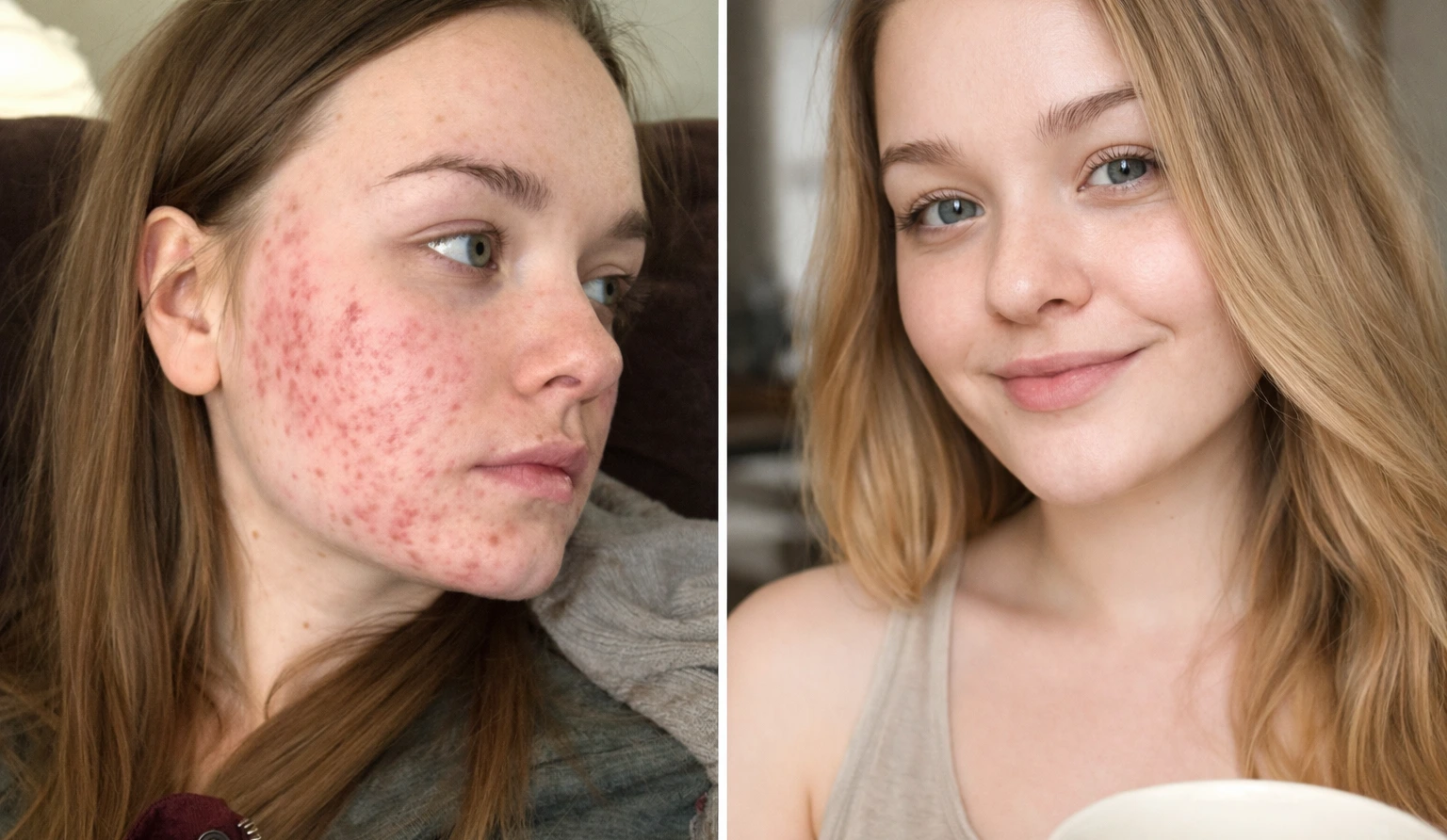
You are not the only one dealing with sudden cystic acne, and you did nothing to deserve it. Many people are surprised to experience deep, painful acne breakouts as adults—especially if they never struggled with acne before. Others may have had mild acne in the past and suddenly notice that their breakouts have become more severe.
Sudden cystic acne can appear at almost any age and often feels confusing and frustrating. These painful acne lumps usually show up without warning and may seem difficult to control. In most cases, sudden cystic acne is linked to internal changes in the body or external changes in daily life. Hormones, stress, skincare changes, diet, and certain medications are common triggers. The good news is that cystic acne is usually manageable, and with the right approach, many people see improvement over time.
What Is Cystic Acne?
Cystic acne is a severe type of acne that forms deep under the skin. Unlike regular pimples or blackheads, cystic acne develops when pores become deeply clogged with oil, bacteria, and dead skin cells.
These breakouts are:
- Large and painful
- Often filled with pus
- Slow to heal
- More likely to leave scars
Because cystic acne forms below the skin’s surface, it cannot be treated the same way as mild acne. Ingredients such as isotretinoin, adapalene, and benzoyl peroxide are often used in treatment plans, but cystic acne usually requires a more careful and consistent approach.
Why Is It Happening All of a Sudden?
Sudden cystic acne usually does not have a single cause. Instead, it often happens when multiple factors come together.
Hormonal Fluctuations
Hormonal changes are one of the most common reasons people experience sudden cystic acne, especially adults between the ages of 25 and 40.
Hormone-related triggers include:
- Menstrual cycle changes
- Polycystic ovary syndrome (PCOS)
- Pregnancy or postpartum changes
- Stopping or starting birth control
- Increased testosterone or androgen levels
Hormones can increase oil production in the skin. When the skin produces too much oil, pores clog more easily, creating the perfect environment for deep acne cysts to form. This is why cystic acne often appears along the chin and jawline.
Stress and Cortisol
Stress plays a bigger role in acne than many people realize. When you are stressed, your body releases cortisol, a hormone that can increase oil production and inflammation.
High stress levels may also:
- Disrupt sleep
- Weaken the skin barrier
- Increase face-touching or picking
All of these factors can make cystic acne worse or trigger sudden flare-ups.
Sudden Skincare Changes
Changing your skincare routine can sometimes irritate your skin instead of helping it. Common skincare-related triggers include:
- Heavy or greasy moisturizers
- Products with pore-clogging ingredients
- Over-exfoliating
- Using too many active ingredients at once
Mixing exfoliating acids, retinoids, and scrubs without guidance can damage the skin barrier. Once the skin is irritated, inflammation increases, making deep acne cysts more likely.
Diet Changes
Diet does not affect everyone’s skin the same way, but research suggests certain foods may contribute to acne in some individuals.
Potential dietary triggers include:
- High-sugar foods
- High-glycemic carbohydrates
- Dairy products
- Whey-based protein supplements
These foods may influence insulin levels and hormone activity, which can increase oil production in the skin. This does not mean you need to eliminate entire food groups, but noticing patterns can be helpful.
Medication Side Effects
Some medications have been linked to acne breakouts in certain people. These include:
- Steroids
- Certain antidepressants
- Hormonal medications
Not everyone will experience acne from medications, but if cystic acne appears shortly after starting a new prescription, it may be worth discussing with a healthcare provider.
Environmental Triggers
Environmental factors can also contribute to cystic acne, including:
- High humidity
- Pollution
- Excessive sweating
- Prolonged mask use
These conditions can trap heat, oil, and bacteria against the skin, increasing inflammation and the risk of deep acne cysts.
Hormonal Cystic Acne
Hormonal cystic acne commonly affects women and usually appears on the lower face, especially the chin and jawline. It often flares around the menstrual cycle and can continue well into adulthood.
This type of acne is linked to hormonal shifts that increase oil production. Because the cause is internal, topical products alone may not always be enough. A dermatologist may recommend a hormonal cystic acne treatment plan that addresses both surface symptoms and underlying hormone-related triggers.
Where Does Cystic Acne Usually Appear?
Cystic acne tends to form in areas with more oil glands, including:
- Chin
- Jawline
- Cheeks
- Back
- Chest
Breakouts on the chin and jawline are especially common in hormonal acne, which is why many people search for cystic acne on the chin treatment options.
Treatment Options
Treating cystic acne takes time and consistency. There is no instant cure, but many treatments can help reduce inflammation and prevent new cysts from forming.
Over-the-Counter Options
Some non-prescription products may help mild or early cystic acne:
- Salicylic acid helps unclog pores
- Benzoyl peroxide reduces acne-causing bacteria
- Retinoids promote skin cell turnover
- Adapalene is a gentle retinoid available without a prescription
These products work best when used consistently and gently.
Prescription Treatments
For moderate to severe cystic acne, a dermatologist may recommend:
- Oral antibiotics to reduce inflammation
- Hormonal therapy such as spironolactone
- Isotretinoin for severe or persistent cases
A dermatologist can determine the most appropriate treatment based on your skin, medical history, and acne severity.
Lifestyle Adjustments
Daily habits can support medical treatment:
- Eat a balanced, low-glycemic diet
- Manage stress through sleep, exercise, or relaxation
- Use gentle, fragrance-free skincare products
- Avoid picking or squeezing cysts
These steps alone may not clear cystic acne, but they can help reduce flare-ups and support healing.
What NOT to Do
Avoid these common mistakes:
- Do not pop or squeeze cysts
- Do not scrub aggressively
- Do not layer multiple strong active ingredients
- Do not ignore painful, recurring breakouts
These actions can worsen inflammation and increase the risk of scarring.
When to See a Dermatologist
You should consider seeing a dermatologist if:
- Cystic acne is painful or keeps returning
- Scars are forming
- Over-the-counter treatments have not helped after 6–8 weeks
- You notice signs of hormonal imbalance
Early treatment can help prevent long-term skin damage.
FAQs
What causes sudden cystic acne in adults?
Sudden cystic acne may be caused by hormone changes, stress, skincare product changes, diet shifts, medications, or environmental factors. Often, more than one trigger is involved.
Is sudden cystic acne normal?
Yes. Many adults experience cystic acne even if they never had acne before. It is common and usually manageable with proper care.
Can hormonal imbalance cause cystic acne?
Hormonal changes can increase oil production, which may lead to deep acne cysts. This is common around the menstrual cycle, during pregnancy, or when stopping birth control.
How long does cystic acne take to heal?
Cystic acne often takes longer to heal than surface pimples. Improvement usually happens gradually with consistent treatment over several weeks.
Disclaimer
This article is for informational purposes only and does not provide medical advice. Skin conditions and treatment needs vary by individual. If you have persistent, painful, or worsening acne, or suspect a hormonal or medical issue, consult a qualified healthcare professional or dermatologist for personalized guidance.
Latest Posts: –
- ABC Juice Benefits: What This Nutrient-Rich Drink Really Does for Your Body
- Papaya vs Avocado: Which Fruit Is Better for Weight Loss, Digestion, and Overall Health?
- Papaya Benefits for Women: Skin, Hormones & Weight Loss Explained
- Fig Benefits for Men: Can Figs Really Help Boost Energy and Stamina?
- Papaya for Digestion: How This Enzyme-Rich Fruit Fixes Your Gut Naturally
- acne after stopping birth control
- acne and diet connection
- acne due to hormones
- acne under the skin
- adult cystic acne
- cystic acne causes
- cystic acne in women
- cystic acne on chin
- cystic acne treatment
- deep acne cysts
- hormonal acne in adults
- hormonal cystic acne
- inflammatory acne
- jawline acne causes
- painful acne lumps
- persistent acne breakouts
- severe acne treatment
- stress and acne
- sudden cystic acne







Leave a comment