



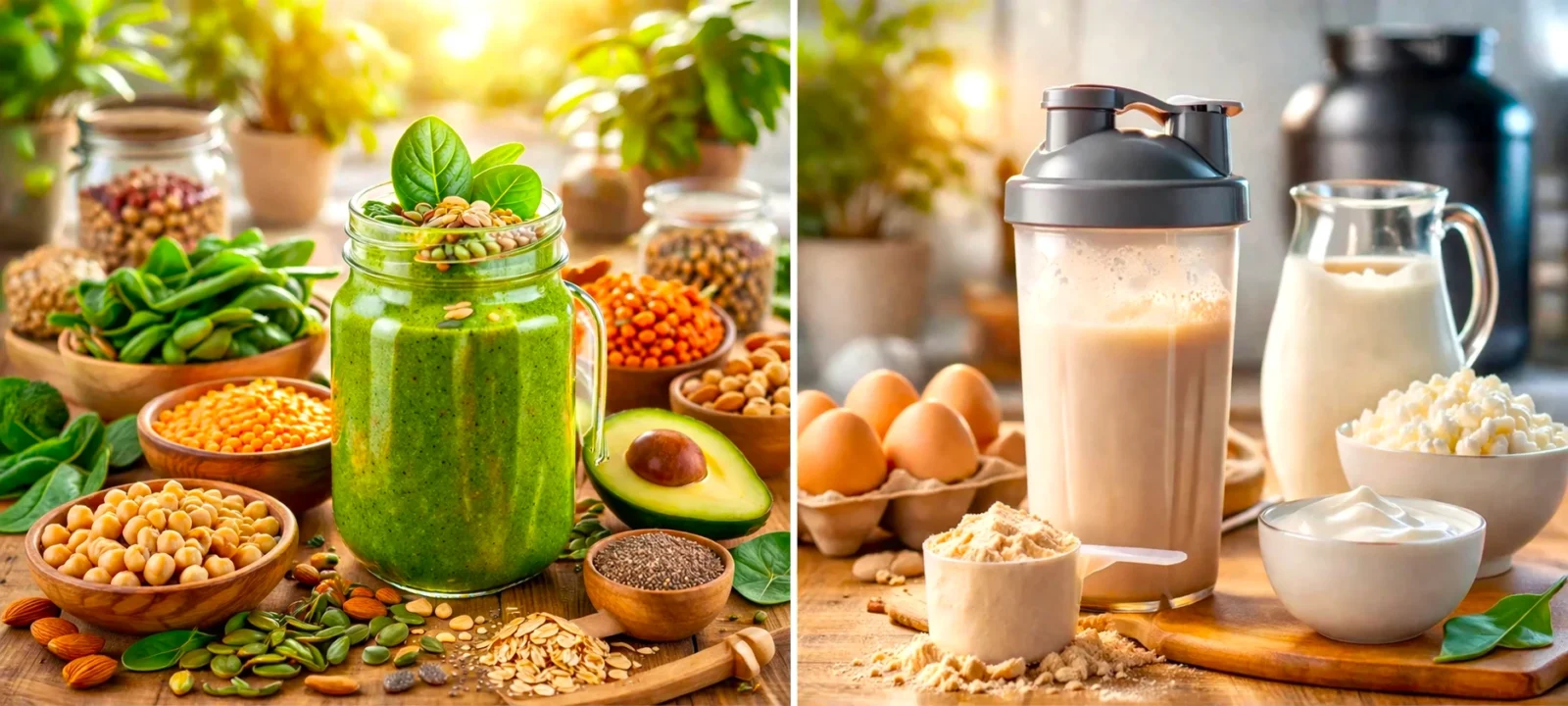
These days, everywhere you look, people are talking about plant-based protein. Some call it the future of a healthy lifestyle, while others say it’s a cleaner and safer option for the body. But when you dig a little deeper, the confusion grows.
Is it truly better, or just a trend that social media has popularised? And most importantly, if you add it to your diet, will you actually see results? Or could you unknowingly miss out on some important nutrition?
In this article, we’ll explain in simple and clear terms what it is, how it works, and whether it’s the right choice for you.
Table of Contents
What is Plant-Based Protein?
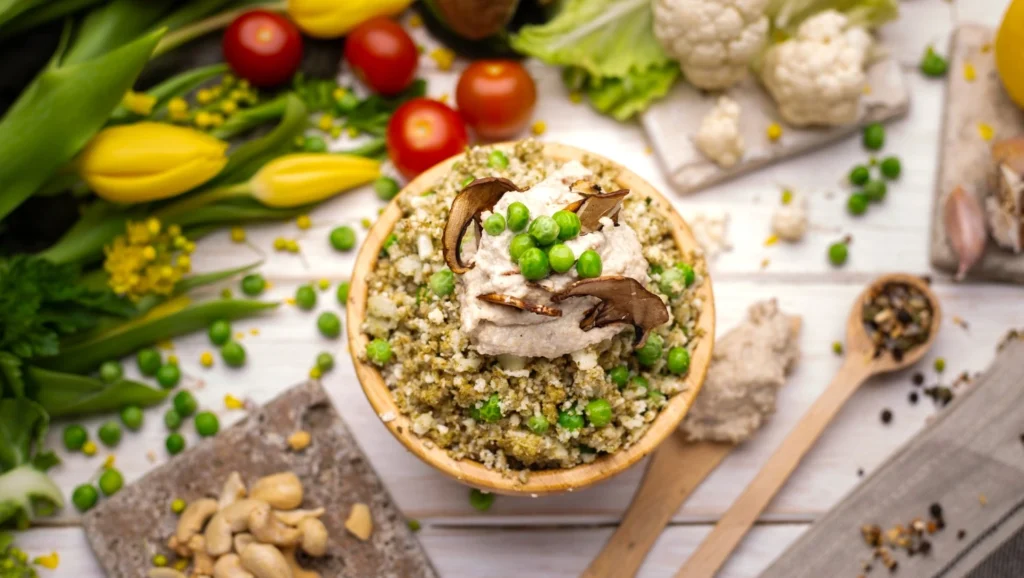
Plant-based protein is the protein we get from plant sources, like lentils, beans, seeds, and grains. It’s considered an alternative to animal-based protein (like chicken, eggs, or dairy), but both have slightly different nutrition profiles. This is why people often wonder if plant-based protein is equally effective or not.
Common plant protein sources:
- Lentils
- Chickpeas and kidney beans
- Soy products (tofu, soy chunks)
- Nuts & seeds (almonds, chia, flax)
- Whole grains (oats, quinoa)
Simple point:
It can be healthy, but the right combination and quantity are very important.
Why is Plant-Based Protein Becoming So Popular?

Plant-based protein has grown rapidly in popularity over the last few years. The reason isn’t just a trend—it’s because people have become more aware of their health and lifestyle. Moving away from heavy, processed foods, people are now choosing clean and natural options, where a plant-based diet plays a big role.
Main reasons for its popularity:
- The clean eating trend
- Weight loss and fat control
- Digestive issues (problems with whey/dairy)
- Growth of vegan and vegetarian lifestyles
- The impact of social media and fitness influencers
Reality check:
Being popular and being effective are different things—results depend on how you use them.
Is Plant-Based Protein Effective for Muscle Gain?

Plant-based protein can support muscle growth, but its effectiveness mainly depends on how you include and use it in your routine. Animal protein is naturally complete (with all amino acids), whereas plant protein sometimes lacks certain essential amino acids. That’s why, if you don’t plan it well, the results can be slower.
For muscle gain, what you should do:
- Combine different protein sources
- Include soy products (high-quality plant protein)
- Meet your daily protein needs
- Maintain a regular workout routine
Straight answer:
Muscle will grow, but without smart planning, progress will be slow.
Does Plant-Based Protein Help with Weight Loss?

Plant-based protein can indirectly help with weight loss, but it’s not a magic solution. Its biggest advantage is that it’s rich in fiber, which keeps you full longer and naturally reduces overeating.
Role in weight loss:
- Controls hunger
- Keeps you feeling full longer
- Reduces cravings
- Supports clean eating
Important:
Just taking plant protein alone won’t lead to weight loss—your overall diet and lifestyle are equally important.
What Are the Real Benefits of Plant-Based Protein? (What People Actually Experience)

If you use plant-based protein the right way, it’s not just an alternative—it can become a strong support system for your overall health. But there’s one important thing to understand: you will only see benefits if you maintain a proper diet and stay consistent.
Random use or half-knowledge won’t give strong results. So let’s understand the real benefits in a simple and practical way:
1. Better digestion (The first noticeable change)
One of the biggest advantages of plant-based protein is that it’s generally easier to digest, especially if you switch from heavy animal protein. It also contains fiber, which supports gut health.
- Reduces bloating and heaviness
- Improves gut health
- May help with constipation
Real feel:
Your body feels lighter, especially after meals.
2. Helps in weight management
It doesn’t directly burn fat, but it plays a strong role in controlling weight. The combination of fiber and protein keeps you full for longer, which naturally reduces overeating.
- Controls hunger
- Reduces cravings
- Naturally lowers calorie intake
Best for:
People who want to lose weight or control body fat.
3. Considered better for heart health
According to research and observations, plant-based diets are generally more heart-friendly because they are lower in saturated fats.
- Helps reduce LDL (bad cholesterol)
- Supports blood pressure control
- Improves overall heart health
Simple point:
It is often considered a safer option for long-term health.
4. Keeps energy levels stable
Many people feel tired after consuming heavy protein. With plant-based protein, this issue is less common because it’s lighter and easier to digest.
- No sudden energy crashes
- Stable energy throughout the day
- Better workout consistency
Real benefit:
Steady energy without feeling heavy.
5. Impacts skin and overall health
Indirectly, when you follow a clean diet, it reflects on both your skin and your body.
- May improve acne (in some cases)
- Better skin glow
- Can reduce body inflammation
Note:
These results depend on your overall diet and lifestyle.
6. Easy to follow long-term
One of the most underrated benefits is that plant-based protein is sustainable. That means you can follow it long-term without putting extra stress on your body.
- Easy to include in daily meals
- Budget-friendly options available
- Easier to maintain as a lifestyle
👉 Reality:
It’s not just a short-term diet—it can become a long-term habit.
Summary
In simple words, the biggest advantage of plant-based protein is that it is light, sustainable, and easy on digestion. But you will get the maximum benefit only if you use it with proper planning and consistency.
What Are the Downsides of Plant-Based Protein? (What People Often Ignore)

Where there are benefits, there are also some limitations—and this is the part most people skip. Plant-based protein can be healthy, but if you use it without proper understanding, you may face some issues.
These problems don’t happen to everyone, but it’s important to be aware so you can make smarter decisions.
Let’s understand in simple language:
1. Not a complete protein (Most common issue)
Many plant-based protein sources do not naturally provide every essential amino acid in sufficient amounts. If you depend on only one source, your body may not get complete nutrition.
- Muscle growth may slow down
- Recovery time can increase
Solution:
Combine different foods (lentils and rice, beans and grains).
2. Risk of overeating (It’s healthy, so I ate more. 😅)
Many people think “plant-based” means they can eat unlimited amounts, but that’s not true.
- Calories still count
- Weight loss can slow down or stop
Reality:
Even healthy food works only in the right quantity.
3. Digestive issues (For some people)
Yes, it improves digestion, but some people may face issues in the beginning.
- Gas or bloating
- Feeling heavy (especially from beans)
👉 Solution:
Introduce it slowly—don’t switch suddenly.
4. Harder to meet daily protein needs
If your goal is muscle gain or a high-protein diet, meeting your daily requirement with plant-based sources alone can be a bit challenging.
- You may need to eat larger portions
- Proper planning becomes important
Best approach:
Use a mix of protein sources and stay consistent
Who Should Be More Careful While Using Plant-Based Protein?
Not every diet works the same for everyone. Some people should be a little more careful, especially if their body or health condition is different.
You should pay extra attention if:
- You already have a low-protein diet
- Your goal is muscle gain
- You often face digestive issues
- You are a beginner (starting a new diet)
👉 Simple advice:
Don’t switch suddenly—move gradually.
How to Add Plant-Based Protein to Your Diet? (Practical Guide)
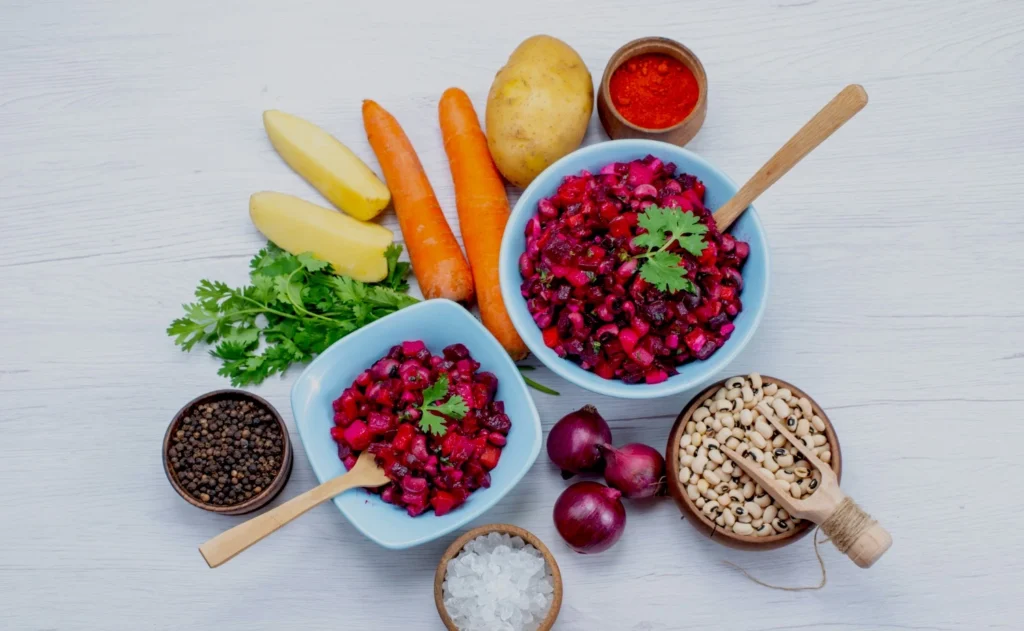
Knowledge alone is not enough—implementation matters the most. If you add it the right way, results will naturally improve.
Easy way to start:
- Breakfast: Add oats + seeds
- Lunch: Lentils + rice (a perfect combo)
- Snacks: Roasted chickpeas / nuts
- Dinner: Include soy chunks or tofu
Golden rule:
Maintain variety—don’t depend on just one source.
Is Plant-Based Protein Worth It?
If we answer honestly, yes, plant-based protein can be a great option, but it depends on how you use it. It’s not a magic solution, and it’s not a perfect replacement for everyone.
If you use it with smart planning:
- You may see better digestion
- It can help with weight control
- Long-term health may improve
But if you use it without understanding:
❌ You may face protein deficiency
❌ Results can be slower
👉 Most important point:
This is not just a “trend”—it’s a “tool”. Use it, but use it smartly.
Conclusion
Plant-based protein can be a simple and effective addition to your daily diet, but you’ll only see real benefits if you use it with proper understanding. Following trends alone is not enough—knowledge and balance both matter.
If you truly want to improve your health, the best approach is to observe your body, make gradual changes, and build long-term sustainable habits.
✅ FAQs :
Is plant-based protein as effective as whey protein?
Yes, it can be effective if you combine different sources and meet your daily protein needs. Without proper planning, results may be slower compared to whey.
Can you build muscle with plant-based protein?
Yes, muscle gain is possible with plant-based protein, but you need the right food combinations, enough protein intake, and consistent strength training.
How much plant-based protein should you consume daily?
It depends on your goal, but generally 0.8–1.2g per kg body weight is enough. For muscle gain, intake may go higher.
4. Does plant-based protein help with weight loss?
Yes, it can support weight loss by controlling hunger and reducing overeating, but overall diet and calorie balance still matter the most.
Are there any side effects of plant-based protein?
Some people may experience bloating or difficulty meeting protein needs. These issues can be managed with proper food choices and gradual diet changes.








Leave a comment