



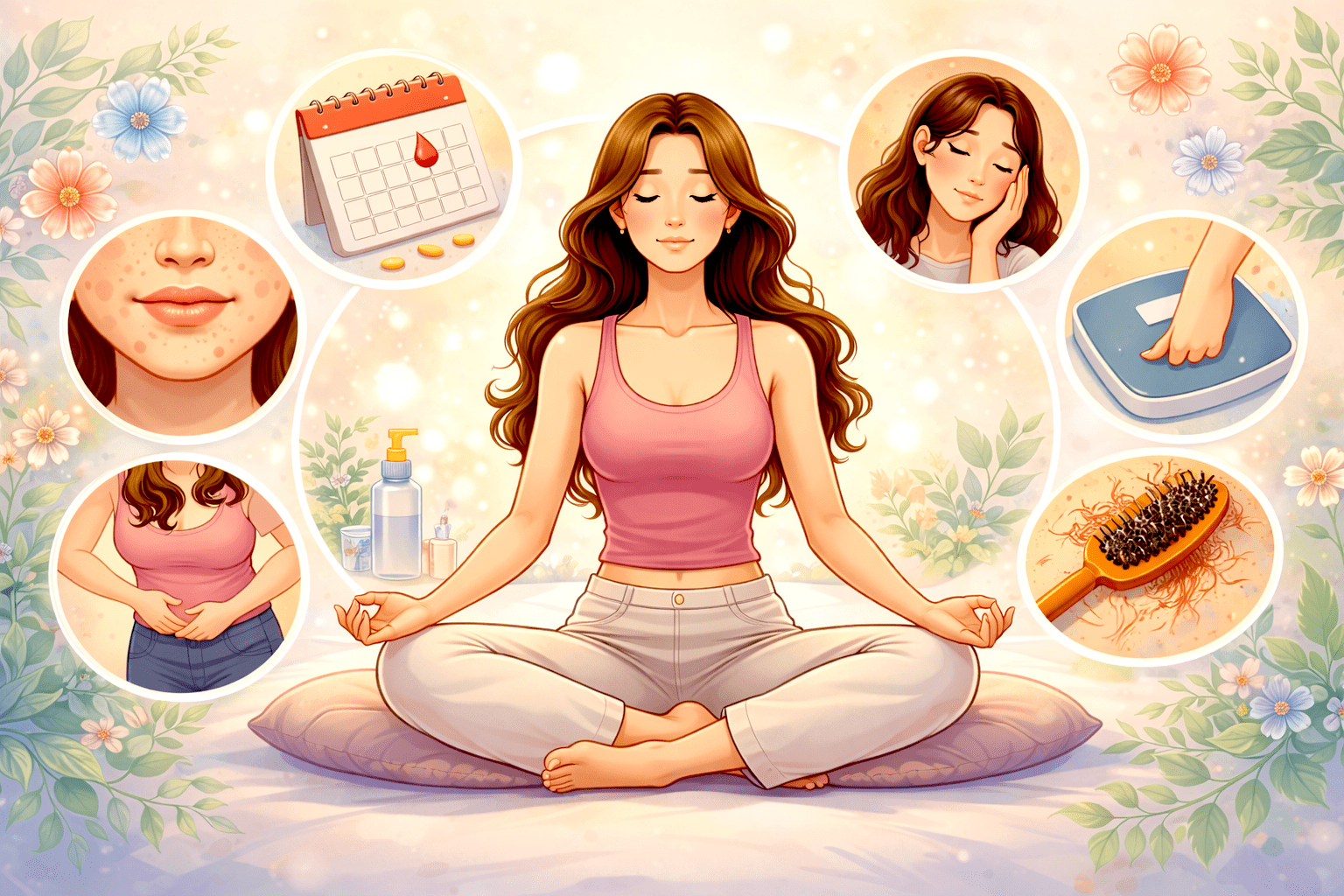
In most women, body changes happen gradually. They usually develop slowly, over time. Often, the first shift shows up in the menstrual cycle. Periods may come earlier than expected one month, arrive late the next, or sometimes stop altogether for a while. In the beginning, these changes feel easy to explain away—stress, a busy routine, or poor sleep.
A few months later, acne that seemed to disappear after the teenage years starts to return. Managing weight feels more difficult, even though eating habits have not changed much.
Fatigue becomes familiar. Not extreme exhaustion, just a steady sense of low energy. When viewed individually, none of these changes feel serious. There is no pain, and daily life continues as usual.
Because of this, many women live with these signs for years without connecting them. In some cases, these gradual, seemingly unrelated changes can be early signs of polycystic ovary syndrome (PCOS).
What Is PCOS? Explained Simply
PCOS is not an infection you “catch,” and it does not appear suddenly. It is a hormonal imbalance that affects how the ovaries function, as well as how the body manages hormones and energy.
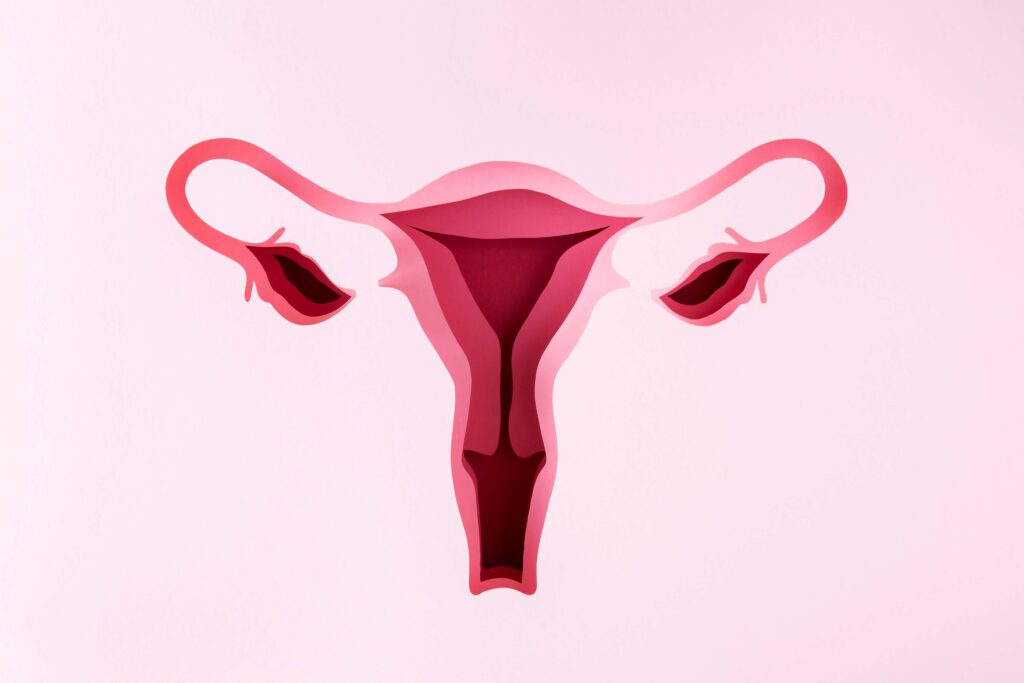
In a typical menstrual cycle, the ovaries release one egg each month. With PCOS, this process does not always happen regularly. Hormone levels—especially androgens, often called “male hormones” (though women naturally have them too)—may be higher than usual.
These hormonal changes can affect:
- menstrual cycles
- skin and hair
- weight regulation
- energy levels
- metabolism
The term PCOS can be misleading. Some women never develop ovarian cysts at all, and symptoms vary widely from person to person. In reality, the condition can show up in very different ways depending on the individual.
Early Body Changes Many Women Notice
PCOS symptoms rarely arrive as obvious warning signs. Instead, they often show up as changes that feel inconvenient rather than alarming.
Irregular or Missed Periods
One of the earliest signs many women notice is a change in their menstrual cycle. Periods may occur less often, with longer gaps between cycles. Some women experience very light bleeding, while others notice heavier, longer periods when they do occur.
This happens because ovulation may not occur regularly. Without consistent ovulation, the hormonal rhythm that controls the menstrual cycle becomes unpredictable.
Because irregular periods are common during stressful phases of life, they are often ignored at first.
Acne That Persists Beyond Teenage Years
PCOS-related acne often feels different from typical breakouts. It commonly appears along the jawline, chin, or lower face and can continue well into adulthood.
Higher androgen levels can increase oil production in the skin, making acne harder to manage with usual skincare routines. For many women, this is frustrating but not something they immediately link to hormones.
Hair Thinning on the Scalp
While some women notice excess hair growth in certain areas, others experience thinning hair on the scalp. Hair may appear less dense around the crown or part line.
This type of hair thinning happens gradually, not suddenly. Because of this, it is often mistaken for stress-related hair loss.
Excess Hair Growth on the Face or Body
Unwanted hair growth on the chin, upper lip, chest, or abdomen can be emotionally difficult. This occurs when hair follicles become more sensitive to androgens.
Even small hormonal shifts can influence hair growth patterns, especially in women who are genetically prone. Many women manage this symptom privately for years before seeking medical advice.
Weight Gain, Especially Around the Abdomen
Weight changes associated with PCOS can feel confusing. Some women gain weight without major changes in diet, while others find weight loss unusually difficult despite consistent effort.
PCOS is often linked with insulin resistance, which affects how the body uses energy. As a result, fat may accumulate more easily around the abdominal area. It is important to note that not every woman with PCOS gains weight.
Darkened Skin Patches and Skin Tags
Some women notice darker, velvety patches of skin on the neck, underarms, or inner thighs. Small skin tags may also appear.
These skin changes are often associated with insulin resistance and tend to develop slowly. Because they are painless, they are frequently overlooked or attributed to genetics.
Persistent Fatigue
Fatigue related to PCOS is not always intense. It often feels like ongoing low energy, even after adequate sleep.
Hormonal imbalances, blood sugar fluctuations, and disrupted sleep patterns can all play a role. Since feeling tired is common in daily life, many women assume it is normal.
“Silent” or Overlooked Signs
Some PCOS symptoms are less visible. Mood changes, difficulty concentrating, or a sense of mental fog may develop gradually. Sleep may feel lighter or less refreshing. Cravings, especially for carbohydrates or sugary foods, may increase.
Because these symptoms overlap with stress and anxiety, PCOS often goes undiagnosed for years.
Why Symptoms Look Different in Every Woman
PCOS does not follow a single pattern.
Some women have regular periods but struggle with acne and excess hair growth. Others experience few skin issues but face fertility challenges. Some never gain weight, while others do.
Not every woman has ovarian cysts. Not every woman has insulin resistance. PCOS exists on a spectrum influenced by genetics, lifestyle, and individual hormone sensitivity.
When Should You See a Doctor?
Medical attention does not need to be urgent to be helpful. A calm evaluation can provide clarity and reassurance.
Consider speaking with a healthcare provider if:
- periods are absent for three months or longer
- menstrual cycles remain irregular over time
- excess facial or body hair increases noticeably
- acne becomes severe or persistent
- pregnancy does not occur despite regular attempts
- symptoms feel progressive rather than temporary
A gynecologist or endocrinologist can help assess hormonal patterns and rule out other conditions.
Why Early Attention Matters
PCOS is not only about periods or appearance. Over time, untreated hormonal imbalance can affect metabolic health.
Some women with PCOS develop insulin resistance, which may increase the risk of type 2 diabetes later in life. Irregular ovulation can affect fertility planning. Long gaps between periods may also impact endometrial health.
Early awareness does not mean immediate medication—it means informed decisions and appropriate monitoring.
Can PCOS Symptoms Improve?
PCOS does not have a single cure, but symptoms can often be managed effectively.
Many women notice improvement with:
- balanced, sustainable eating habits
- regular physical activity
- adequate sleep
- stress management
In some cases, medical support may be recommended to help regulate cycles, manage hormones, or support fertility goals. Improvement is usually gradual rather than immediate.
Clear Summary
PCOS symptoms usually develop slowly. At first, they may feel unrelated. Irregular periods, skin changes, fatigue, and weight shifts often share a hormonal connection.
Early recognition helps women understand their bodies better and seek guidance before symptoms become more pronounced.
Medical Disclaimer
This article is for educational and awareness purposes only. It does not replace professional medical advice. Always consult a qualified healthcare provider for diagnosis or treatment.
FAQs:
What are the first signs of PCOS?
Irregular periods, persistent acne, and subtle weight changes are common early indicators.
Can PCOS start during the teenage years?
Yes. Symptoms may begin after puberty but are often mistaken for normal hormonal changes.
Does every woman with PCOS gain weight?
No. Weight gain is common but not universal.
Does PCOS go away on its own?
PCOS is a long-term condition, but symptoms can improve with proper management.







2 Comments