




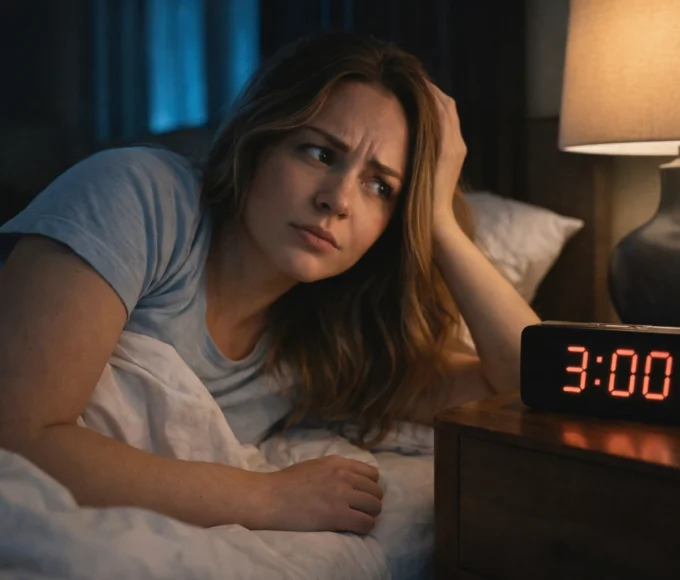
You’re about to fall asleep, but your mind just won’t slow down. One thought turns into another… and before you know it, they start piling up. Your chest feels a little tight, and your breathing doesn’t feel quite normal.
You try to ignore it, but the more you push it away, the stronger it seems to get. Sometimes, it happens in the middle of the day too—especially right before something important. Your heart starts beating faster, your focus slips, and there’s this uneasy feeling like you’re not fully in control.
In moments like this, no one wants complicated advice. You don’t have the patience for long explanations, and honestly, sitting down for a 20-minute meditation doesn’t feel realistic.
What you really need is something simple that works—fast.
That’s where breathing techniques can help. Box breathing and the 4-7-8 method are two of the most popular options people use to calm anxiety. But they don’t work in exactly the same way. So when anxiety hits, which one works faster—and which one should you rely on?
If you need quick relief in a stressful moment, box breathing usually works faster because it stabilises your breathing rhythm almost immediately.
On the other hand, the 4-7-8 method works a bit more slowly, but it helps your body relax more deeply—especially when you’re trying to unwind or fall asleep.
Why Anxiety Feels So Intense in the Moment
When anxiety hits, it doesn’t just stay in your mind—it quickly spreads through your body.
Your breathing gets faster and shorter. Your heart starts beating a bit quicker. Your muscles tighten, and you might not even notice it. This happens because your body is trying to protect you, even if there’s no real danger.
The problem is, once your breathing becomes irregular, your brain starts to think something is wrong. This creates a loop—fast breathing → more anxiety → even faster breathing.
That’s why it can feel so hard to calm down in the moment. It’s not just in your head—your body is actively involved too.
Breathing techniques can help break this cycle. When you intentionally slow your breath, you send a signal to your brain that everything is safe. Gradually, your body starts to relax, and the anxiety eases.
The Key Difference Between These Two Techniques
Both methods are built around controlled breathing, but they guide your body in different ways.
Box breathing focuses on balance. Each step—inhale, hold, exhale, hold—takes the same amount of time. This steady rhythm helps your body regain control quickly.
The 4-7-8 technique focuses more on slowing everything down. The longer breath-hold and extended exhale encourage your body to release tension and settle more deeply.
You can think of it like this: box breathing helps you stabilise quickly, while 4-7-8 breathing helps you unwind more fully.
Which One Works Faster?
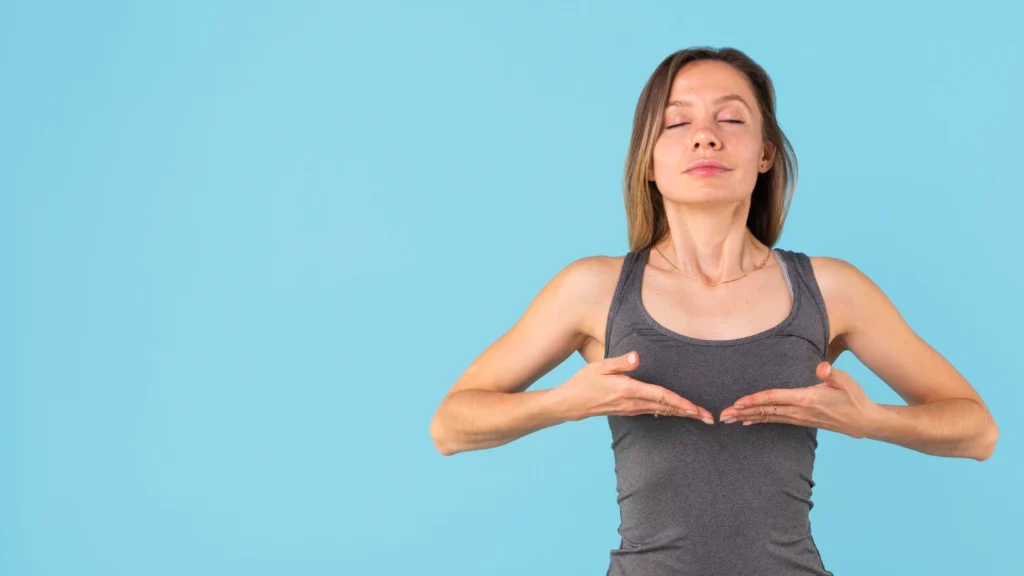
If you’re in the middle of a stressful moment—like before speaking, during travel, or when anxiety suddenly rises—box breathing usually works faster.
The reason is simple. It’s easy to follow, even when your mind feels scattered. You don’t have to think too much. Within a minute or two, your breathing becomes more steady, and your body starts to calm down.
The 4-7-8 method can feel slightly harder at first. Holding your breath for longer may feel uncomfortable if you’re already anxious. Because of that, it may take a bit more time to feel the full effect.
However, once you’re used to it, the calm it brings can feel deeper and longer-lasting.
So in most cases:
- For quick control → box breathing
- For deep relaxation → 4-7-8 breathing
How Box Breathing Works (Step by Step)
Box breathing is simple, which is why it works well during stressful situations.
Begin by taking a slow, deep breath in through your nose for four seconds. Then hold your breath for four seconds. After that, exhale slowly for four seconds. Finally, hold your breath again for four seconds.
This creates a steady, repeating pattern. As you continue, your breathing becomes more controlled, and your body starts to feel less tense.
You don’t need to do it perfectly. Even a few cycles can make a noticeable difference. Many people feel calmer within just a couple of minutes.
How the 4-7-8 Technique Helps You Relax
The 4-7-8 method works by slowing your system down more deeply.
You inhale quietly for four seconds, hold your breath for seven seconds, and then exhale slowly for eight seconds. The longer exhale is what makes this technique powerful.
When you exhale slowly, your body gets a signal to relax. Your heart rate begins to slow, and your muscles start to release tension.
At first, the timing might feel unusual. That’s completely normal. With a little practice, it becomes easier, and the calming effect becomes more noticeable.
Many people find this especially helpful before bed, when the mind tends to wander the most.
When to Use Each Technique in Real Life
Different moments call for different approaches.
If you’re feeling sudden stress—like before a meeting, during an argument, or while travelling—box breathing can help you regain control quickly. It’s easy to do anywhere, even without anyone noticing.
If you’re trying to relax after a long day, reduce overthinking, or prepare for sleep, the 4-7-8 technique can be more effective. It works more slowly but allows your body to fully unwind.
Using both techniques at the right time can make them even more effective.
Benefits You May Notice Over Time
With regular practice, both techniques can do more than just calm you in the moment.
You may start to notice that your breathing stays more steady during stressful situations. Your thoughts may feel less overwhelming, and your body may react more calmly overall.
Over time, this can lead to better focus, improved sleep, and a greater sense of control in daily life.
These changes don’t happen overnight, but they build gradually with consistent practice.
Quick Comparison
| Feature | Box Breathing | 4-7-8 Breathing |
|---|---|---|
| Speed | Works quickly | Slower but deeper |
| Ease | Very easy | Needs some practice |
| Best use | Sudden stress | Relaxation and sleep |
| Pattern | Equal timing | Longer hold and exhale |
| Overall effect | Stabilizes fast | Deep calming effect |
What Experts and Research Suggest
Experts say that slow, controlled breathing can help calm the nervous system. It activates the part of your body responsible for rest and relaxation.
Research also suggests that breathing patterns can influence how your brain responds to stress. When your breath slows down, your body starts to feel safer, and your stress response decreases.
While breathing techniques are not a replacement for medical treatment, they are often recommended as a simple and effective way to manage everyday anxiety.
Practical Tips to Make It Work Better
If you’re new to these techniques, start practising when you’re already calm. This helps your body learn the pattern without pressure.
Find a comfortable position, and focus gently on your breath. You don’t need to force anything. Let the rhythm guide you naturally.
Just a few minutes each day can have a noticeable effect. Over time, it becomes easier to use these techniques when you really need them.
Common Mistakes to Avoid
One common mistake is trying to control your breathing too strictly. This can create tension instead of reducing it.
Another mistake is holding your breath longer than feels comfortable. If the timing feels difficult, it’s okay to adjust it slightly.
Some people also expect instant results and stop too early. These techniques work best when practised regularly.
Who Should Be Careful
Breathing exercises are generally safe, but they may not feel comfortable for everyone.
If you feel dizzy, lightheaded, or uncomfortable, it’s important to slow down or take a break. People with breathing conditions or severe anxiety should approach these techniques gently.
If needed, it’s always a good idea to speak with a healthcare professional before relying on any single method.
Sometimes, calming down doesn’t require anything complicated. It can start with something as simple as slowing your breath.
Box breathing can help you steady yourself in the middle of a stressful moment. The 4-7-8 technique can help you unwind when the day is over. Learning both gives you a simple, practical way to handle stress whenever it shows up.
FAQs:
How long should I practise box breathing or 4-7-8 breathing?
Starting with 2–3 minutes is enough. As you get more comfortable, you can gradually increase to 5–10 minutes. Consistency is more important than duration.
Are these breathing techniques only useful for anxiety?
No. These techniques also help reduce stress, improve focus, and support better sleep. Regular practice can enhance overall relaxation and mental clarity.
Can I use these techniques in public or at work?
Absolutely. Both box breathing and 4-7-8 are discreet. You can practise quietly at your desk, in a restroom, or anywhere without drawing attention.
Disclaimer: This write-up provides general information and does not replace advice from a qualified medical expert.




Leave a comment