




When you need a fast and convenient meal, canned soup is often one of the easiest choices. You open a can, heat it for a few minutes, and your meal is ready. For busy people, students, and families with little time to cook, it can feel like the perfect quick solution.
Many people also love canned soup because it is comforting and affordable. Grocery aisles are filled with many kinds of soup, including classic chicken noodle, tomato soup, rich creamy chowders, and different vegetable-based varieties. Some people even keep several cans in their pantry for easy meals during busy weeks.
But here is the thing many people don’t realise: some canned soups contain high levels of sodium and preservatives. When eaten frequently, these ingredients may quietly affect your body in ways you might not expect.
Health experts say canned soup can be part of a balanced diet. However, eating it too often may increase sodium intake and reduce the overall nutritional quality of your meals.
Let’s take a closer look at what actually happens to your body when canned soup becomes a daily habit.
Is Eating Canned Soup Often Bad for Your Health?
Eating canned soup occasionally is generally safe, but consuming it too regularly may impact your health because many canned soups contain high levels of sodium and preservatives. Experts say frequent intake may contribute to water retention, higher blood pressure, and excess sodium intake if healthier options are not chosen.
Why Is Canned Soup So Popular in the World?
There is a reason canned soup has stayed popular for decades. It is convenient, comforting, and easy to prepare.
Several factors make canned soup appealing:

• Quick meals: Most soups can be ready in just a few minutes.
• Long shelf life: Canned foods can last for months or even years in the pantry.
• Affordable: Many brands cost only a few dollars per can.
• Busy lifestyles: People with little time to cook rely on ready-made meals.
• Comfort food: Warm soup feels satisfying during cold weather or when you feel sick.
For many households, canned soup is simply a practical option when cooking from scratch is not possible.
Still, convenience sometimes comes with trade-offs, especially when certain soups are eaten frequently.
What Nutrition Experts Say About Canned Soup
Nutrition experts often remind people that processed foods should be eaten in moderation. Canned soup is considered a processed food because it is prepared, preserved, and packaged for long-term storage.
One of the biggest concerns experts mention is sodium. Sodium helps preserve food and improve flavour, but too much can affect the body over time.
A healthy diet usually focuses on whole foods like vegetables, fruits, lean protein, and whole grains. When highly processed foods replace these options regularly, overall nutrition may decline.
This doesn’t mean canned soup is unhealthy by default. It simply means that balance and moderation are important.
Eat Canned Soup. Often? Here’s What It Could Do to Your Body
Eating canned soup occasionally is usually fine. But when it becomes a frequent meal, several things may happen in the body.
Let’s look at the most common health effects experts talk about.
Your sodium intake may become too high.
Many canned soups contain 800 to 1200 milligrams of sodium per serving. Some cans actually contain two servings, which means eating the entire can may provide more than half of your recommended daily sodium intake.
Too much sodium may lead to:
- Increased blood pressure
- Fluid retention
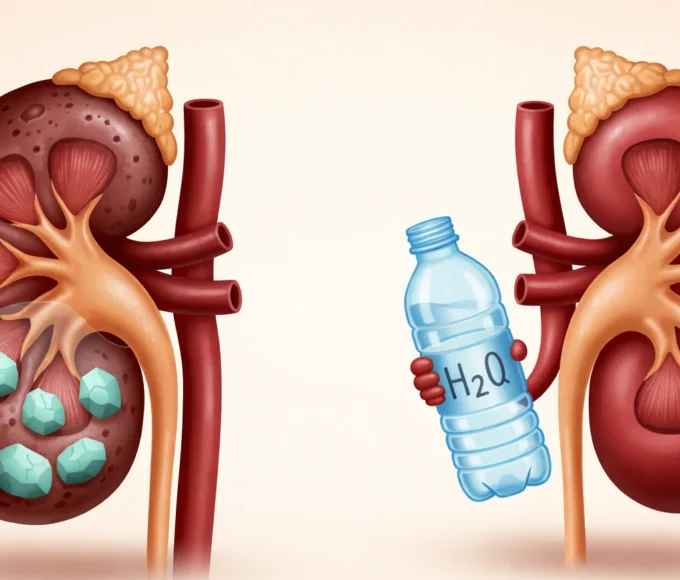
- Greater strain on the heart and kidneys
Over time, regularly consuming high-sodium foods may increase health risks for some people.
Your Body May Retain More Water
Eating foods high in sodium can cause the body to hold more water, leading to fluid retention. This can lead to temporary symptoms such as the following:
- bloating
- swelling in fingers or ankles
- feeling puffy after meals
While occasional fluid retention is not usually dangerous, frequent high-sodium meals can make these symptoms more noticeable.
Blood Pressure May Increase Over Time
One of the most well-known effects of excess sodium is its impact on blood pressure. When sodium levels are consistently high, the body retains more fluid. This extra fluid can increase pressure on blood vessels.
Over time, elevated blood pressure may increase the risk of:
- heart disease
- stroke
- kidney problems
For people already managing hypertension, limiting sodium is especially important.
Your diet may become less nutritious.
Another hidden effect of relying heavily on canned soup is that it may replace healthier foods. For example, if canned soup becomes a regular meal, you may end up eating less of the following:
- fresh vegetables
- whole grains
- lean proteins
- home-cooked meals
While some soups contain vegetables, the overall nutrition is often lower compared with fresh foods prepared at home.
Some soups may contain preservatives.
Canned foods are designed to last a long time on store shelves. To maintain flavour and freshness, some products contain preservatives or stabilisers. When consumed in small amounts, these ingredients are typically considered safe.
However, health experts often recommend limiting processed foods and focusing more on fresh ingredients whenever possible.
Moderation is key.
Certain soups may be high in calories.
Not all canned soups are light meals. Cream-based soups such as the following:
- clam chowder
- creamy chicken soup
- broccoli cheese soup
can contain higher amounts of calories and saturated fat. Eating these varieties frequently may contribute to excess calorie intake, especially if portion sizes are large.
Here’s the surprising part: canned soup often looks like a light and healthy meal. But when eaten frequently, some varieties may quietly add large amounts of sodium and processed ingredients to your daily diet.
Signs You May Be Eating Too Much Sodium
Too much sodium does not always cause immediate symptoms. However, some people notice small changes in how their body feels.
Common signs may include:
• frequent bloating
• feeling thirsty often
• swelling in hands or feet
• high blood pressure readings
• headaches or fatigue
If you notice these symptoms regularly, reviewing your sodium intake may be helpful.
How to Make Canned Soup Healthier
The good news is that you do not need to completely avoid canned soup. With a few simple changes, it can become a healthier part of your diet. Here are some easy tips:
Choose low-sodium versions
Many brands offer soups labelled “low sodium” or “reduced sodium”. These options can contain significantly less salt.
Add fresh vegetables
Adding spinach, carrots, peas, or bell peppers can improve the nutritional value of your soup.
Watch portion sizes
Some cans contain more than one serving. Try dividing the can into two meals if sodium levels are high.
Pair with whole foods
Instead of eating soup alone, add a side of the following:
- whole-grain bread
- salad
- lean protein
This helps create a more balanced meal.
Healthier Alternatives to Canned Soup
If you enjoy soup regularly, there are many healthier options to try.
Homemade vegetable soup
Making soup at home allows you to control sodium levels and ingredients.
Fresh broth-based soups
Clear soups made with vegetables, beans, or chicken tend to be lighter and more nutritious.
Low-sodium packaged options
Some modern brands focus on simple ingredients and reduced sodium levels. Even small changes like these can improve the nutritional quality of your meals.
FAQs:
What happens if you eat canned soup every day—is it safe?
Eating canned soup occasionally is usually safe. However, consuming it daily may increase sodium intake, especially if the soup is not labelled as low-sodium. Variety in your diet is generally recommended.
Why does canned soup contain so much sodium?
Sodium helps preserve canned foods and improves flavor. It also helps maintain the soup’s shelf life, which allows it to stay safe to eat for long periods.
Can canned soup raise blood pressure?
Some canned soups contain large amounts of sodium. Consuming high-sodium foods regularly may contribute to higher blood pressure in certain individuals.
Are low-sodium canned soups healthier?
Low-sodium soups usually contain significantly less salt. They can be a better option for people who want to reduce their daily sodium intake.
How often should you eat canned soup?
Nutrition experts often recommend treating canned soup as an occasional meal rather than a daily habit. Choosing healthier varieties and balancing them with fresh foods can help support a balanced diet.
The Bottom Line
Canned soup can be a convenient and comforting meal, especially during busy days when cooking feels impossible. However, eating it frequently may increase sodium intake and reduce the variety of nutrients in your diet. Over time, this could contribute to issues like fluid retention or higher blood pressure.
The key is balance. Choosing low-sodium options, adding fresh ingredients, and mixing canned soup with other healthy foods can make a big difference. When used occasionally as part of a balanced diet, canned soup can still fit into a healthy lifestyle.
Disclaimer: The information in this article is meant for general education and should not be taken as medical advice from a healthcare professional. For personalised dietary advice, it’s best to consult a qualified healthcare professional.







Leave a comment