



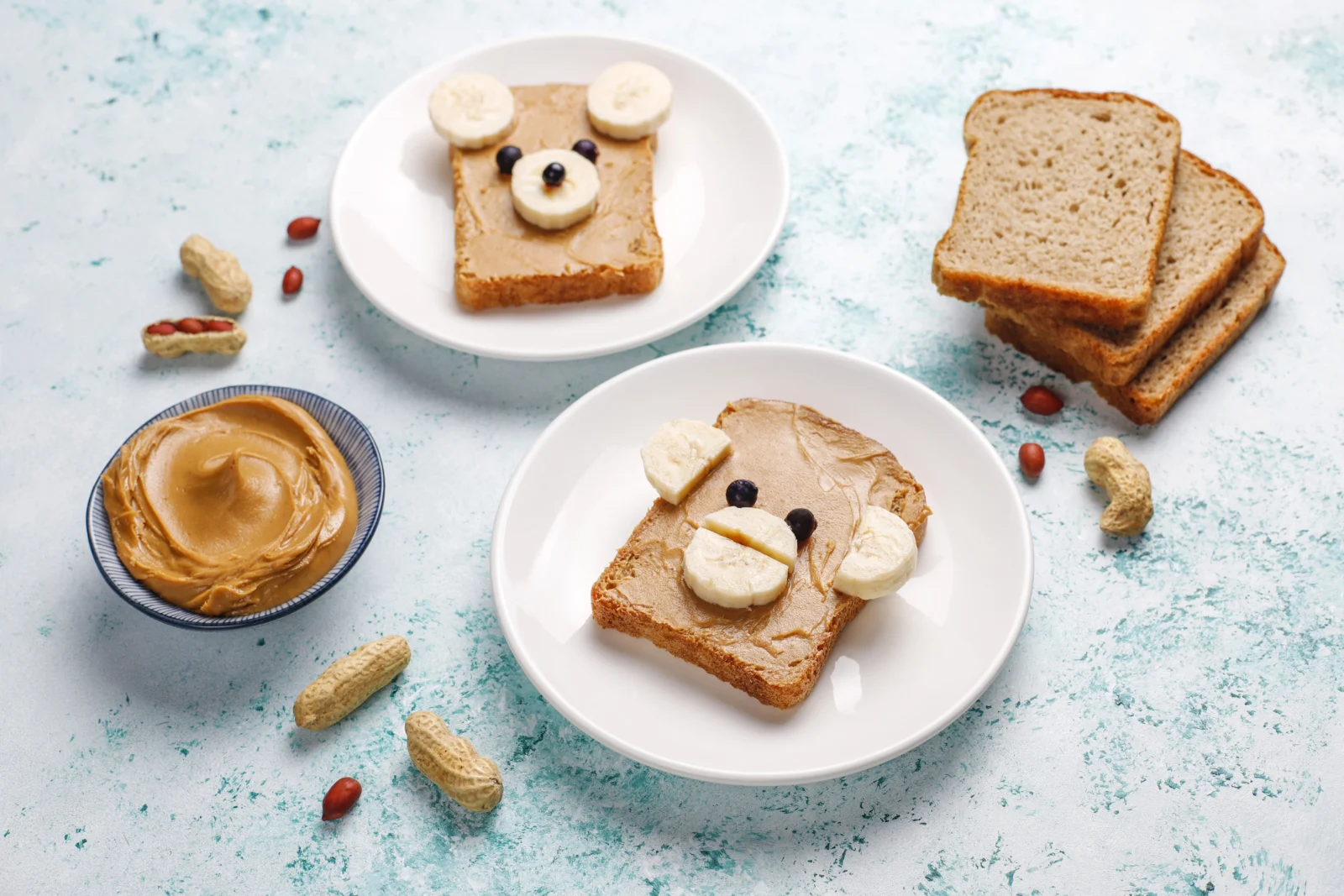
Many people start their morning with peanut butter on toast. Others add it to smoothies, oatmeal, or fruit snacks during the day.
It is creamy, satisfying, and easy to include in meals. Because it contains protein and healthy fats, peanut butter is often considered a smart snack.
But some people still wonder if eating peanut butter every day is actually good for the body.
Doctors say peanut butter can be part of a healthy diet. The key is eating the right amount and choosing the correct type.
What happens if you eat peanut butter daily—is it healthy?

Yes, eating peanut butter every day can be healthy for many people when eaten in moderate amounts.
Peanut butter provides protein, healthy fats, and several nutrients that support the body. These nutrients may help you stay full longer and support heart health.
However, peanut butter is also high in calories. Eating large amounts regularly may lead to unwanted weight gain.
It is also important to select natural peanut butter because some processed versions contain added sugar and oils.
Nutritional Value of Peanut Butter
Peanut butter may be small in size, but it is also packed with nutrients. Just two tablespoons provide a mix of protein, healthy fats, vitamins, and minerals that help support different body functions.
Protein
Peanut butter contains plant-based protein. Protein helps build and repair body tissues. It also helps keep you full after meals. This is one reason peanut butter is often recommended as a snack.
Healthy Fats
Peanut butter contains mostly monounsaturated fat, which is considered a healthier type of fat. This type of fat is considered heart-friendly. It may help maintain healthy cholesterol levels when eaten in moderation. Healthy fats also provide long-lasting energy.
Fiber
Peanut butter also provides a small amount of fiber. Fiber helps support digestion and may help you feel satisfied after eating.
Vitamin E
Peanut butter contains vitamin E, an antioxidant. Antioxidants help protect cells from damage caused by everyday stress and environmental factors.
Magnesium
Magnesium is another important nutrient found in peanuts. It supports muscle function, nerve health, and energy production in the body.
How Your Body May Change If You Eat Peanut Butter Every Day
Eating peanut butter regularly can affect your body in several ways. Many of these effects can be positive when portions are controlled.
You May Feel Full for longer.
Peanut butter contains both protein and healthy fats. These nutrients take longer to digest compared with simple carbohydrates. Because of this, they help you feel full for a longer time.
Feeling full may help reduce unnecessary snacking during the day. This is why peanut butter is often included in balanced breakfasts and snacks.
Your Heart May Benefit
Peanut butter contains monounsaturated fats, which are considered heart-friendly fats. These fats may help support healthy cholesterol levels when they replace less healthy fats in the diet.
A balanced diet that includes nuts and nut butters is often linked with better heart health. However, portion control still matters because peanut butter is calorie-dense.
Your muscles get protein support.
Protein is essential for maintaining muscle strength and supporting the repair of muscle tissue. When you eat peanut butter regularly, your body receives a steady supply of plant-based protein.
This can be especially helpful for people who exercise regularly or follow active lifestyles. Even small amounts of protein throughout the day help support muscle health.
You May Get Important Nutrients
Peanut butter also provides several vitamins and minerals that the body needs. These include vitamin E, magnesium, potassium, and small amounts of B vitamins.
These nutrients support different functions such as energy production, nerve function, and immune support. Eating peanut butter with other healthy foods can help add nutritional variety to your diet.
Possible Downsides of Eating Peanut Butter Every Day
While peanut butter has many benefits, there are also a few things to keep in mind. Like many foods, too much can create problems.
High Calories
Peanut butter contains many calories in a small portion. Two tablespoons usually contain around 180–200 calories.
If people eat many spoonfuls without realising it, the calories can add up quickly. Over time, this may contribute to weight gain.
Added Sugar and Oils
Not all peanut butter products are the same. Many commercial brands include added sugar, salt, or hydrogenated oils to improve flavor and texture.
These added ingredients can reduce the overall health value of the product. Reading the ingredient label is important when choosing peanut butter.
Peanut Allergies
Allergic reactions to peanuts are considered one of the most common food-related allergies. For people with peanut allergies, even small amounts can trigger serious reactions.
Symptoms may include swelling, breathing issues, or digestive discomfort. Anyone with a known peanut allergy should completely avoid peanut butter.
Portion-Control Problems
Peanut butter is easy to overeat. Because it tastes delicious and spreads easily, many people use more than the recommended serving size.
It is common for a spoonful to turn into several spoonfuls without noticing it. Using measured portions can help prevent this problem.
What Doctors and Nutrition Experts Say
Most doctors and nutrition experts agree that peanut butter can be part of a balanced diet. The key recommendation is moderation.
Many experts suggest limiting daily intake to about one or two tablespoons. They also recommend selecting natural peanut butter with simple ingredients.
Ideally, the ingredient list should contain only peanuts and possibly a small amount of salt. This type of peanut butter usually contains fewer additives and provides more natural nutrition.
How Much Peanut Butter Is Considered Safe
For most healthy adults, one to two tablespoons per day is considered a reasonable portion.
One tablespoon contains roughly the following:
• about 90–100 calories
• around 4 grams of protein
• several grams of healthy fats
Two tablespoons is the typical serving size used in nutrition guidelines. Eating more than this occasionally is not harmful, but large daily portions may increase calorie intake too much.
Balancing peanut butter with other healthy foods is important.
Choosing the Healthiest Peanut Butter
The kind of peanut butter you pick can significantly affect its nutritional value. Some varieties are much healthier than others.
Choose Natural Peanut Butter
Natural peanut butter usually contains very few ingredients. In many cases, it includes only peanuts.
Some varieties may also include a small amount of salt.
Avoid Hydrogenated Oils
Some processed peanut butters contain hydrogenated oils. These oils are added to improve texture and shelf life.
However, they may reduce the health benefits of the product.
Check for Added Sugar
Certain brands add sugar to make peanut butter sweeter. Too much added sugar can increase calorie intake and reduce nutritional value.
Choosing unsweetened peanut butter is usually the better option.
Look for Simple Ingredient Lists
A simple ingredient list is often the best sign of a healthier product. If the label contains only peanuts or peanuts and salt, it is usually a good choice.
Who Should Be Careful With Peanut Butter
While peanut butter is safe for many people, some individuals may need to be cautious.
People With Peanut Allergies
Anyone with a peanut allergy must completely avoid peanuts and peanut products. Even small amounts can cause serious reactions.
People on Strict Calorie-Controlled Diets
Because peanut butter is calorie-dense, people trying to lose weight may need to watch portion sizes carefully.
Small servings can fit into a weight-loss plan, but large servings may slow progress.
People With Digestive Sensitivities
Some people experience bloating or stomach discomfort after eating peanuts. This may be due to sensitivity to certain compounds in legumes. If symptoms occur, reducing intake may help.
Simple Ways to Eat Peanut Butter in a Healthy Diet
Peanut butter can be added to many foods in simple and healthy ways.
Here are a few easy ideas.
- Spread a thin layer on whole-grain toast
- Add one spoon to a morning smoothie
- Mix a small amount into oatmeal
- Dip apple or banana slices into peanut butter
- Add a spoon to yogurt for extra protein
These combinations help balance peanut butter with fiber-rich foods.
Key Points to Remember
- Peanut butter contains a good amount of protein, beneficial fats, and important nutrients.
- Eating small amounts daily can be part of a healthy diet
- Portion size matters because it is calorie-dense
- Natural peanut butter is usually the healthiest option
- Always balance it with other nutritious foods
Peanut butter remains one of the most popular spreads in many kitchens. Its rich taste and satisfying texture make it easy to enjoy in everyday meals.
When eaten in moderate amounts, peanut butter can offer protein, healthy fats, and important nutrients that contribute to overall well-being.
Choosing natural versions with simple ingredients and paying attention to serving size can help you enjoy peanut butter while maintaining a balanced diet.
FAQs
What happens if you eat peanut butter every day—is it a good idea?
Yes, most healthy people can eat peanut butter every day in small amounts. Peanut butter contains protein, healthy fats, and nutrients that support energy and fullness. However, because it is high in calories, experts usually recommend limiting it to about 1–2 tablespoons per day.
Can eating peanut butter daily help with weight loss?
Peanut butter may support weight control when eaten in moderation. Its combination of protein and healthy fats can help you feel full for longer, which may reduce frequent snacking. But eating large amounts can add extra calories, so portion size is important.
What is the healthiest type of peanut butter to buy?
The healthiest peanut butter is usually natural peanut butter with very few ingredients. Ideally, the label should list only peanuts and possibly a small amount of salt. Avoid brands that contain added sugar, hydrogenated oils, or artificial ingredients.
Are there any risks to eating peanut butter every day?
For most people, peanut butter is safe when eaten in moderate portions. However, eating too much may lead to excess calorie intake and possible weight gain. People with peanut allergies should completely avoid peanut products because they can trigger serious allergic reactions.










Leave a comment