





On cold evenings or busy weekdays, many people reach for a warm bowl of soup. It feels comforting, easy to digest, and simple to prepare.
But not every soup affects the body the same way. Some soups are packed with refined noodles, cream, or starches that can raise blood sugar quickly.
Others contain vegetables, legumes, and lean proteins that digest more slowly. These ingredients may help keep energy levels steady instead of causing sudden spikes.
Many dietitians say balanced soups can be a smart meal choice. When they contain fibre, protein, and nutrient-rich vegetables, they support more stable blood sugar levels throughout the day.
The key is choosing soups with the right ingredients.
Can soup help keep blood sugar levels stable?
Yes, certain soups may help support steady blood sugar levels when they contain balanced ingredients.
Soups made with fiber-rich vegetables and legumes digest more slowly. This gradual digestion can help prevent sudden spikes in blood sugar.
Protein sources like chicken, beans, or lentils also slow carbohydrate absorption. This helps the body release energy more evenly.
Broth-based soups are usually a better choice than heavy cream soups. When soups combine vegetables, protein, and healthy carbs, they often support steadier glucose levels.
Why Soups Can Help With Blood Sugar Control

Before getting into the recipes, it helps to understand why soup works so well for blood sugar balance.
Soups usually:
- Digest more slowly than dry foods
- Contain more water, which helps prevent sugar spikes
- Allow fiber, protein, and fat to work together
- Keep you full longer, reducing overeating later
When soups are built with vegetables, lean protein, and healthy fats, they support smoother blood sugar responses after meals.
1. Lentil and Vegetable Soup

Lentil soup is one of the best choices for blood sugar support. Lentils are rich in fibre and plant protein, which slow how fast sugar enters the bloodstream.
This soup is especially helpful for people with insulin resistance or prediabetes.
Why it works for blood sugar
- High fiber slows digestion
- Plant protein reduces glucose spikes
- Low glycemic load
Key ingredients
- Brown or green lentils
- Carrots, celery, onions
- Garlic and olive oil
- Vegetable or low-sodium chicken broth
Helpful tips
- Avoid adding potatoes or white rice
- Keep salt moderate
- Pair with a side salad instead of bread
Lentil soup is filling, comforting, and easy to digest — perfect for lunch or dinner.
2. Chicken and Vegetable Soup

Chicken soup is classic comfort food, and it can also be blood sugar–friendly when made correctly.
Lean protein from chicken helps keep blood sugar steady by slowing digestion and improving insulin response.
Why it works
- Lean protein supports glucose control
- Broth-based soups prevent sugar spikes
- Vegetables add fiber without extra carbs
Best vegetables to include
- Spinach
- Zucchini
- Green beans
- Cabbage
What to avoid
- Noodles made from refined flour
- Cream-based versions
- Added sugar or sweet sauces
Chicken vegetable soup is light, warming, and ideal during illness or low appetite days.
3. Tomato and Bean Soup
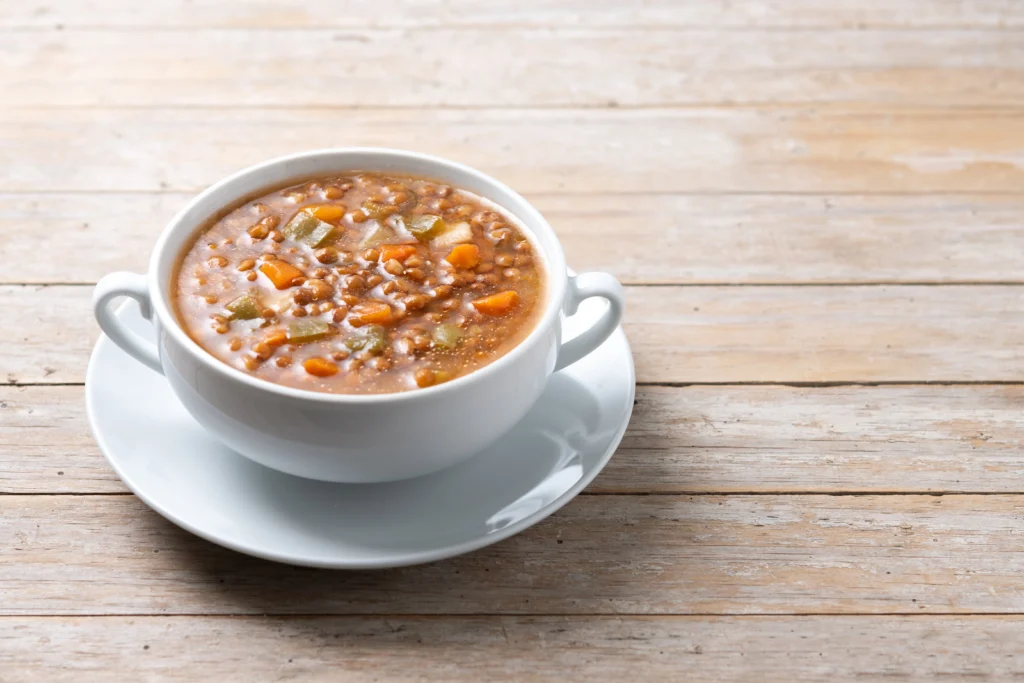
Tomatoes have a naturally low glycaemic impact, and beans provide both fiber and protein. Together, they make a powerful blood sugar–friendly soup.
This soup works well for people who want a plant-based option.
Why it helps
- Beans slow carbohydrate absorption
- Tomatoes are rich in antioxidants
- Fiber improves insulin sensitivity
Best beans to use
- Black beans
- Kidney beans
- Cannellini beans
Smart cooking tips
- Use fresh or canned tomatoes with no added sugar
- Rinse canned beans to reduce sodium
- Add olive oil for healthy fat
This soup is hearty without being heavy and keeps you full for hours.
4. Bone Broth Vegetable Soup
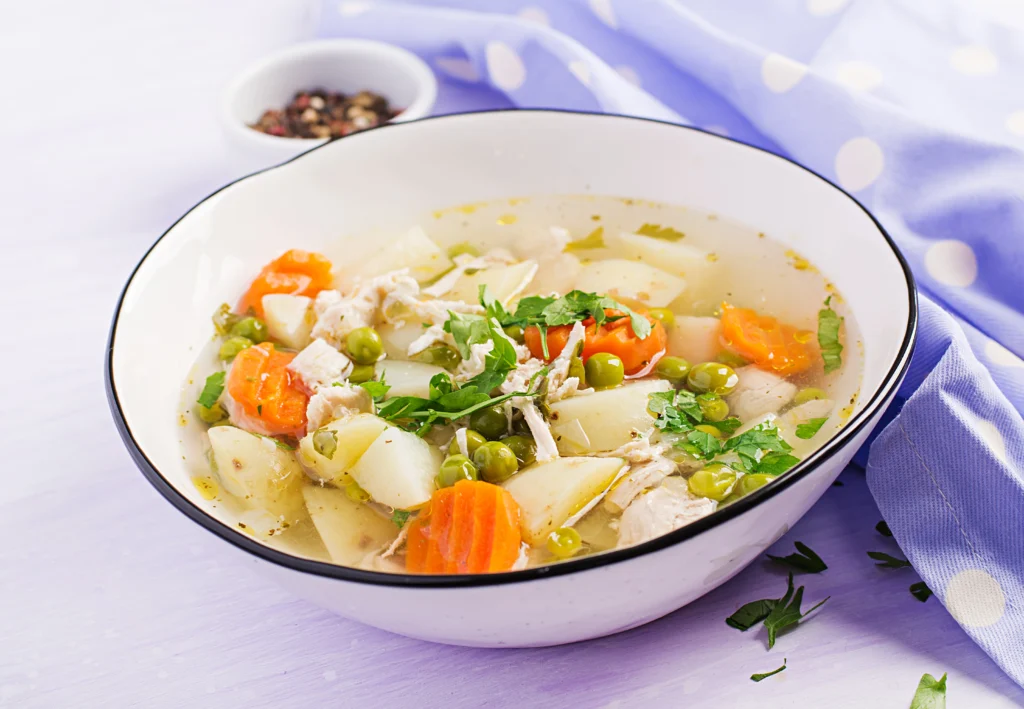
Bone broth soups are low in carbohydrates and rich in nutrients that support metabolic health.
While bone broth alone does not lower blood sugar, it creates a great base for vegetables that help with glucose control.
Why it works
- Very low carb
- Rich in amino acids
- Supports gut health
Best vegetables to add
- Mushrooms
- Kale
- Cauliflower
- Broccoli
Extra benefits
- Helps with hydration
- Easy on digestion
- Supports appetite control
Bone broth vegetable soup is ideal for evening meals when you want something light but satisfying.
5. Cabbage and Turkey Soup

Cabbage contains very few carbohydrates and is a good source of fiber. reTurkey adds lean protein, making this soup a strong option for blood sugar balance.
This soup is often recommended for people trying to manage weight and glucose together.
Why it helps
- Low calorie but filling
- High fiber content
- Lean protein supports insulin response
Helpful ingredients
- Green cabbage
- Ground or shredded turkey
- Onion, garlic, herbs
Serving tips
- Eat slowly to improve fullness
- Avoid adding white rice
- Add olive oil for better nutrient absorption
This soup is comforting without feeling heavy or greasy.
6. Spinach and Chickpea Soup
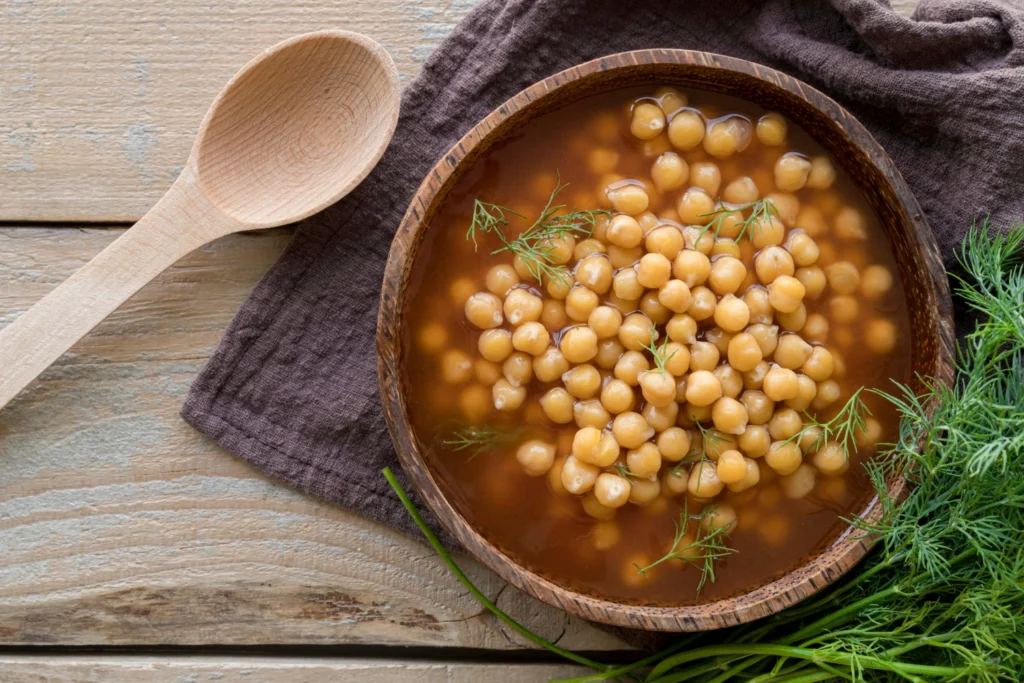
This soup combines leafy greens and legumes — a great combination for blood sugar control.
Spinach is low-carb and rich in magnesium, a mineral linked to better insulin function.
Why it works
- Chickpeas provide slow-digesting carbs
- Spinach supports insulin activity
- Balanced fiber and protein
Best spices
- Turmeric
- Black pepper
- Cumin
Smart additions
- Lemon juice for digestion
- Olive oil for healthy fat
This soup is simple and nourishing and works well for both lunch and dinner.
How to Make Soups Even Better for Blood Sugar
Even healthy soups can cause blood sugar spikes if prepared the wrong way.
Follow these simple rules
- Choose broth-based soups instead of creamy ones
- Add protein to every soup
- Focus on fiber-rich vegetables
- Avoid refined flour and sugar
- Watch portion sizes
Eating soup slowly also helps your body manage glucose more smoothly.
Who Should Be Careful With Soups
While soups are helpful, not every soup is a good choice for everyone.
Be careful if:
- The soup contains noodles or white rice
- Sodium levels are very high
- Cream and butter are used heavily
People with diabetes or kidney conditions should always check ingredients and portion sizes.
Can Soup Replace a Full Meal?
Yes, many of these soups can replace a full meal if they contain:
- Protein
- Fiber
- Healthy fat
If soup feels too light, pair it with:
- A small salad
- Roasted vegetables
- A handful of nuts
This helps keep blood sugar stable for longer.
What Doctors and Dietitians Say
Many registered dietitians recommend soup as a blood sugar–friendly meal option because it improves fullness and reduces glucose spikes after eating.
According to nutrition experts, meals that combine liquid + fiber + protein are easier for the body to process than dry, refined foods.
FAQs:-
Are soups good for controlling blood sugar levels?
Yes, soups can help control blood sugar levels when they are made with fiber-rich vegetables, lean protein, and healthy fats. These ingredients slow digestion and reduce sudden glucose spikes.
Which soups are best for people with diabetes?
Soups made with lentils, beans, vegetables, lean chicken, turkey, or bone broth are best for people with diabetes because they have a low glycemic impact and keep you full longer.
Can eating soup daily help stabilize blood sugar?
Eating soup daily can support stable blood sugar if the soup is balanced and does not contain refined flour, added sugar, or heavy cream. Portion size and ingredients matter most
Are creamy soups bad for blood sugar?
Most creamy soups can raise blood sugar because they often contain refined flour and excess fat. Broth-based soups are usually a better option for blood sugar balance.
What ingredients should be avoided in blood sugar–friendly soups?
Avoid white noodles, white rice, potatoes in large amounts, added sugar, and processed thickeners, as these can cause blood sugar spikes.
Can soup replace a full meal for people managing blood sugar?
Yes, soup can replace a full meal if it contains protein, fiber, and healthy fat. Pairing soup with vegetables or nuts can improve blood sugar control.
Important Disclaimer
This article is for educational purposes only and does not replace medical advice. Blood sugar responses vary from person to person. Always consult a qualified healthcare professional or registered dietitian before making major dietary changes, especially if you have diabetes, prediabetes, or other health conditions.







Leave a comment