




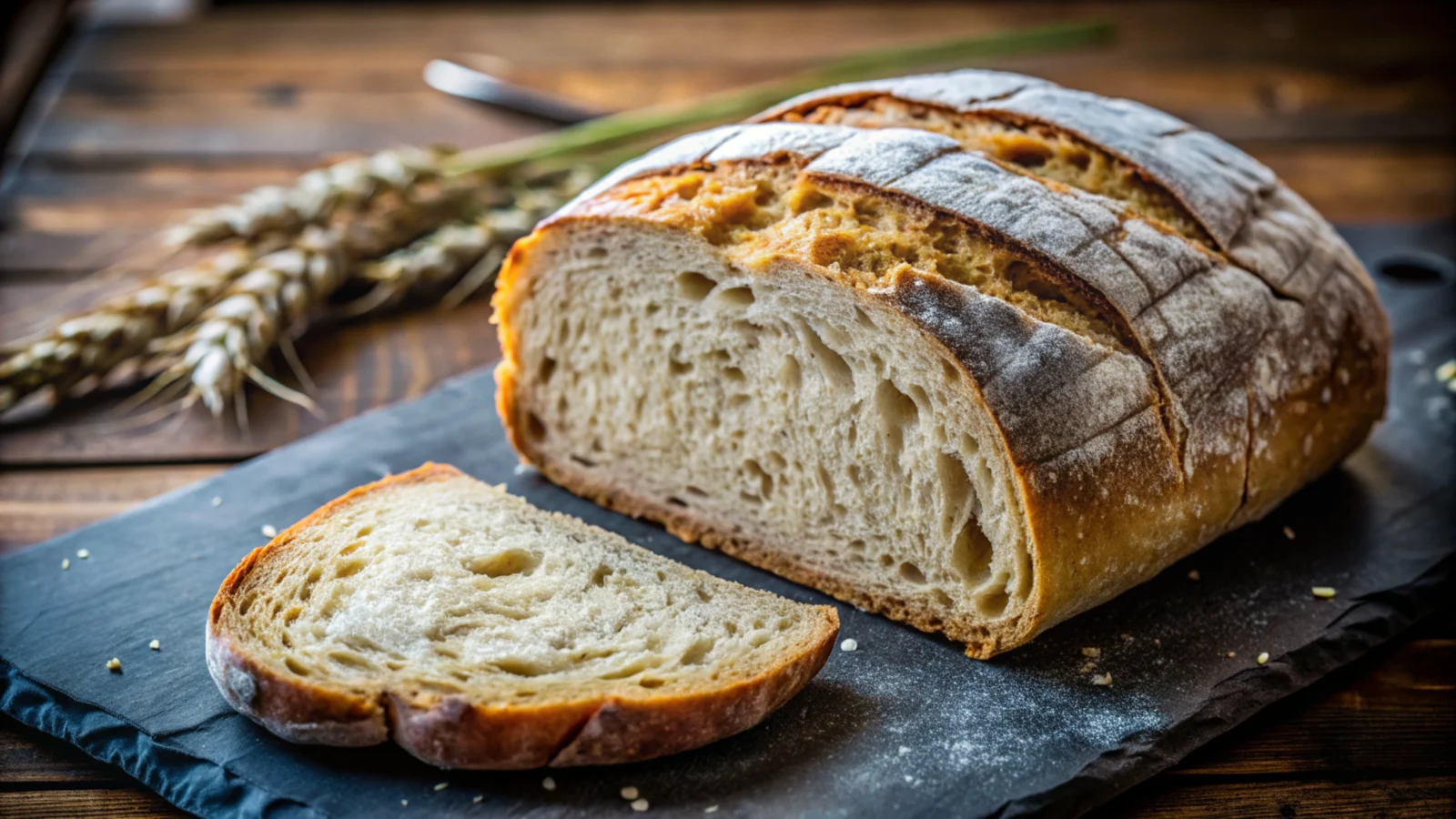
Sprouted grain bread is made from whole grains that have started to develop small sprouts. Many people enjoy it at breakfast, as toast, in sandwiches, or as a quick meal on busy days.
But not all bread works the same way in the body. Some types, especially white bread made with refined flour, can raise blood sugar very quickly.
When blood sugar rises fast, energy may also drop soon after. Many people feel hungry again or experience an afternoon energy crash.
The good news is that some breads digest more slowly. Choosing these healthier options may help support steadier blood sugar levels and more stable energy throughout the day.
Which Breads Help Keep Blood Sugar Stable?
Breads made with whole grains, seeds, or natural fermentation often digest more slowly. This slower digestion may help reduce sudden blood sugar spikes and keep energy levels steadier during the day.
These breads usually contain more fiber, protein, or healthy fats than refined white bread. Those nutrients help the body break down carbohydrates at a slower pace.
Why Some Bread Raises Blood Sugar Quickly
Some breads raise blood sugar faster than others. This often happens when bread is made with refined flour. During processing, much of the fiber from the grain is removed. Without fiber, the body digests the bread very quickly.
When digestion happens fast, glucose enters the bloodstream quickly. This can make blood sugar levels increase rapidly.
Fiber works differently.
Fiber slows digestion and helps carbohydrates enter the bloodstream more gradually. This slower release can support steadier energy levels.
Protein and healthy fats also help. When bread contains these nutrients, digestion tends to slow down even more.
For example:
- White bread toast may digest very quickly
- Whole grain bread with seeds may digest more slowly
- Bread eaten with eggs or nut butter may lead to a steadier energy response
What Makes Bread Better for Blood Sugar?
Some bread varieties can help support better blood sugar control. In many cases, these breads include ingredients that slow digestion and provide more nutrients.
Better breads often contain the following:
- Whole grains
- Higher fiber
- Seeds or nuts
- Natural fermentation
Whole grains include the entire grain kernel. This indicates that the grain still includes the bran, germ, and endosperm. Because the grain is less processed, it usually contains more fiber and nutrients.
Seeds and nuts provide fiber, protein, and beneficial fats. These nutrients help slow the breakdown of carbohydrates.
Natural fermentation, which happens in breads like sourdough, may also change how the body digests carbohydrates. All of these factors can help bread digest more slowly compared to refined white bread.
The 5 Smart Bread Choices
Some breads contain ingredients that support slower digestion and better nutrition. Here are five bread options that many nutrition experts consider healthier choices for more stable energy.
1. 100% Whole Grain Bread
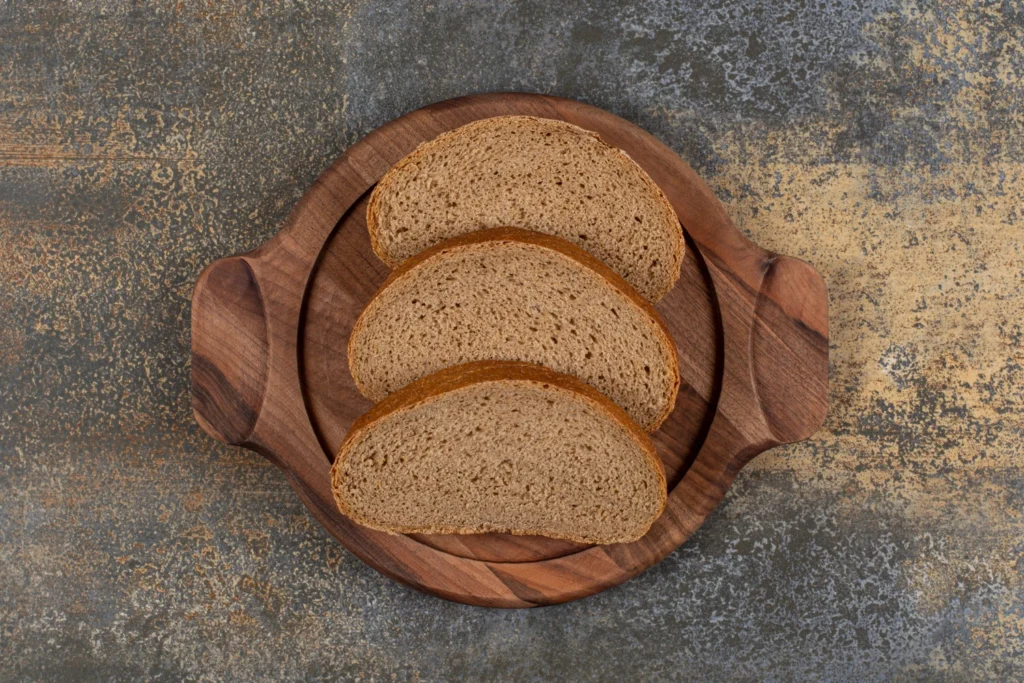
100% whole wheat bread is one of the most common healthier bread choices. Unlike white bread, it uses whole wheat flour, which contains the entire grain.
Because the grain is not stripped of its fiber, whole wheat bread digests more slowly than refined bread.
Fiber helps slow the movement of carbohydrates through the digestive system. This may support a more gradual rise in blood sugar. However, not all wheat bread is the same.
Some products sold as “wheat bread” may still be made with refined flour. To choose a better option, check the ingredient list and look for:
“100% whole wheat” as the first ingredient.
This simple step helps ensure you are getting the full grain benefits. cado—can make it even more blood-sugar friendly.
2. Sprouted Grain Bread
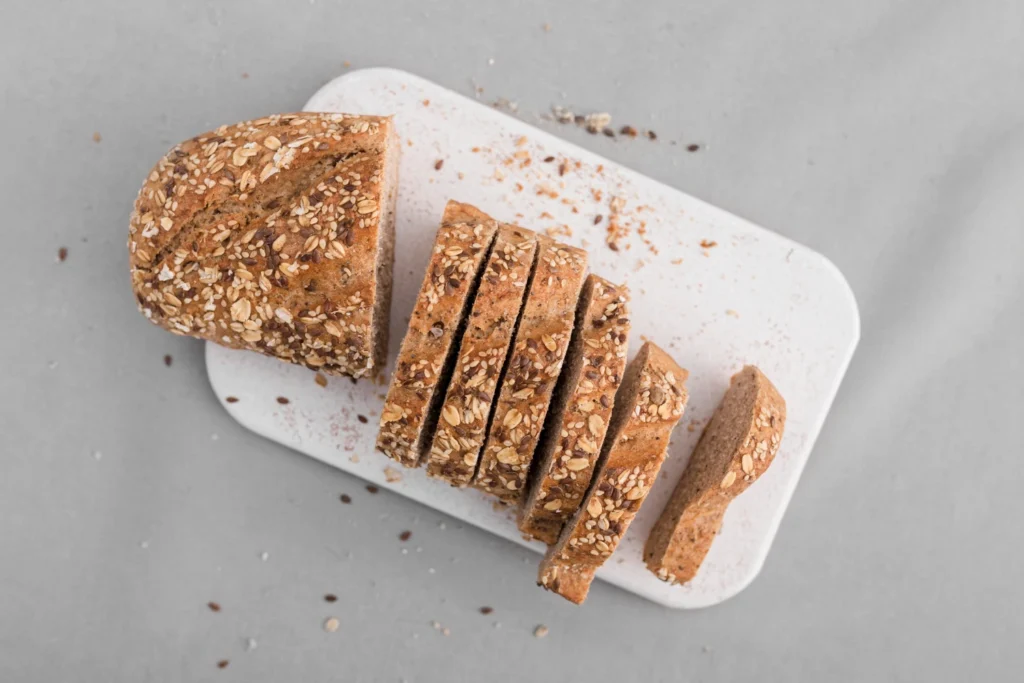
Sprouted grain bread is made from whole grains that have started to develop small sprouts. Sprouting happens when grains begin to grow after being soaked in water. During this process, some of the starch in the grain changes.
Because of this change, sprouted grains may be easier for the body to digest. Sprouted grain bread often contains:
- more fiber
- more protein
- a variety of whole grains
These nutrients may help slow digestion compared to regular white bread. Many sprouted grain breads may also contain grains like:
- wheat
- barley
- millet
- lentils
This combination can provide steady energy and more nutrients. Routed bread compared to regular bread.
3. Sourdough Bread (Real, Traditional Kind)
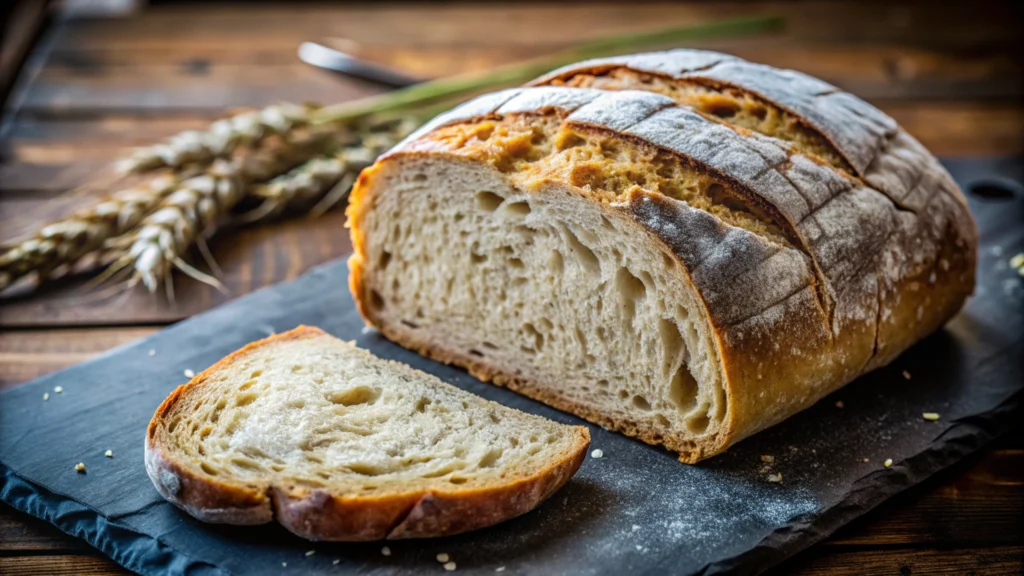
Sourdough bread is created through a naturally occurring fermentation process. Instead of commercial yeast alone, sourdough uses natural bacteria and yeast cultures that slowly ferment the dough.
This fermentation process may change the structure of the carbohydrates in the bread. Because of this, sourdough bread may digest a bit more slowly than standard white bread.
Some people also find sourdough easier to digest. The fermentation process may also improve the flavor and texture of the bread.
However, sourdough can still vary widely. Breads made with whole grains offer even more fiber and nutrition.
4. Rye Bread (Especially Whole Rye)
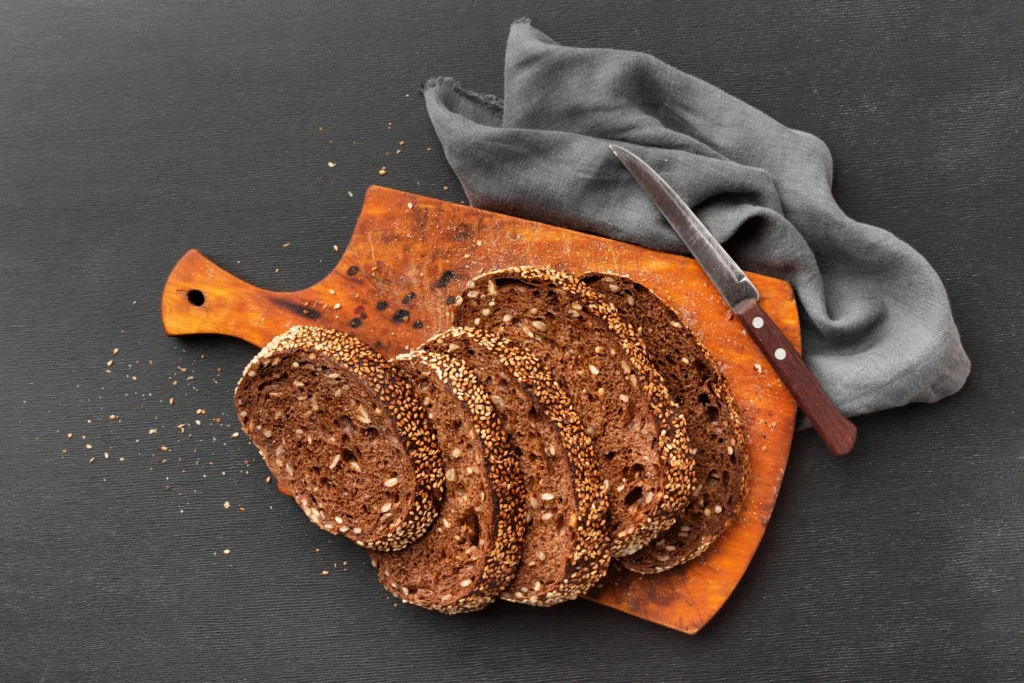
Rye bread is often darker and denser than typical wheat bread. It is usually made from rye flour, which contains a good amount of fiber.
Because rye bread is dense, the body may digest it more slowly. This can help create a more gradual release of carbohydrates.
Whole-grain rye bread may also help people feel full for longer. This is one reason rye bread is popular in many traditional European diets.
Like wheat bread, it is important to look for whole grain rye rather than refined rye flour., not rye-flavoured white bread.
5. Seeded or Flax Bread
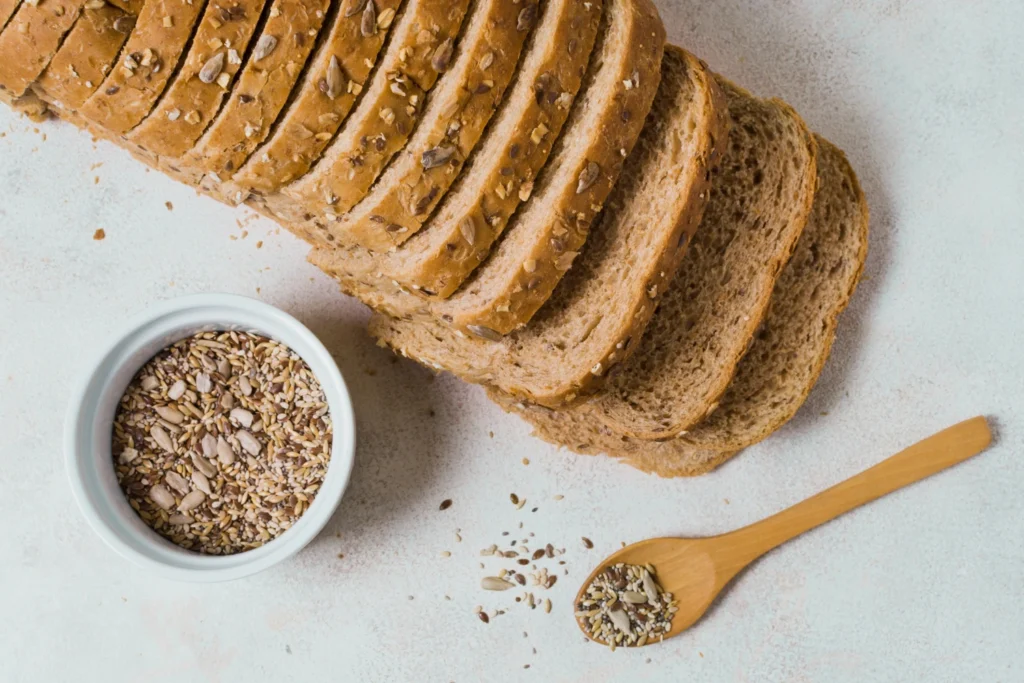
Seeded breads contain a variety of healthy seeds mixed into the dough. Common seeds used in bread include:
- flax seeds
- sunflower seeds
- chia seeds
- pumpkin seeds
These seeds add important nutrients.
They provide:
- fiber
- protein
- healthy fats
These nutrients slow down digestion and help balance how the body absorbs carbohydrates. Flax seeds are especially rich in fiber and plant-based omega-3 fats.
Because of this combination, seeded bread can be a satisfying option that supports steadier energy levels.
Bread Comparison Table
| Bread Type | Key Benefit |
|---|---|
| Sprouted grain | Higher fiber and protein |
| 100% whole wheat | Whole grain nutrition |
| Sourdough | Natural fermentation |
| Rye bread | Dense fiber content |
| Seeded bread | Extra fiber and healthy fats |
How to Choose Healthy Bread at the Store
Choosing healthy bread at the grocery store can feel confusing. Many packages use marketing words that sound healthy but do not always mean the bread contains whole grains.
Here are simple tips that can help.
Check the ingredient list
The first ingredient should be a whole grain such as whole wheat or whole rye.
Look for “100% whole grain”
This label usually means the bread is made entirely from whole grains.
Choose higher fiber
A good bread often contains at least 3–5 grams of fiber per slice.
Avoid added sugars
Some breads contain extra sugar or sweeteners that may raise blood sugar faster.
Reading labels carefully can help you make a better choice.
How Much Bread Is Reasonable?
Bread can still be part of a balanced diet when eaten in moderate portions. For many people, one or two slices with a meal can fit into a healthy eating pattern.
It also helps to combine bread with protein or healthy fats.
Examples include:
- whole grain toast with eggs
- bread with peanut butter or almond butter
- sandwiches filled with vegetables and lean protein
Pairing bread with other nutrients may help slow digestion and support steadier energy.
Expert Insight
Many nutrition experts recommend choosing fiber-rich whole grain breads instead of refined white bread.
Fiber slows digestion and helps carbohydrates enter the bloodstream more gradually. Because of this, whole-grain bread choices may support more stable blood sugar levels and longer-lasting energy.
Whole grains also provide vitamins, minerals, and plant compounds that support overall health.
Common Bread Mistakes
Some common habits can make bread less healthy than it seems. Here are a few mistakes people often make.
- Choosing “multigrain” bread instead of whole grain bread
- Eating very large portions of bread
- Adding sugary spreads like sweet jams or chocolate spreads
- Ignoring the fiber content on the nutrition label
Making small changes in these areas can improve overall nutrition.
Simple Ways to Eat Bread Without Spiking Blood Sugar
Bread does not have to cause large energy swings. Simple food combinations can help balance the meal.
Try these ideas:
Add protein
Protein slows digestion and helps balance carbohydrates.
Examples:
- eggs
- yogurt
- cottage cheese
- nut butter
Include healthy fats
Healthy fats also slow digestion.
Examples:
- avocado
- nuts
- seeds
Add vegetables
Vegetables increase fiber and nutrients.
Examples:
- lettuce
- tomatoes
- cucumbers
- spinach
Avoid eating bread alone
Eating bread by itself may lead to quicker digestion. Combining it with protein, fats, or fiber can help create a more balanced meal.
Bread can still be part of a healthy daily routine. Choosing whole-grain breads, adding fiber-rich foods, and building balanced meals can help support steadier energy throughout the day. Small changes in the type of bread you choose may make a meaningful difference in how you feel after eating.
FAQs:-
What is the best bread for blood sugar balance?
Breads made with whole grains, seeds, or natural fermentation are often better choices. Options like sprouted grain bread, whole wheat bread, rye bread, and seeded bread usually contain more fiber, which may help slow digestion and support steadier blood sugar levels.
Does white bread raise blood sugar faster than whole grain bread?
White bread is made from refined flour that contains very little fiber. Because it digests quickly, it may cause blood sugar to rise faster than breads made with whole grains, which contain more fiber and nutrients.
Can people trying to manage blood sugar still eat bread?
Yes, bread can still be part of a balanced diet. Choosing high-fiber bread and pairing it with protein or healthy fats—such as eggs, nut butter, or avocado—may help slow digestion and support more stable energy levels.
How can you know if a bread is actually made from whole grains?
A good way is to check the ingredient list on the package. A good tip is to select bread where “100% whole wheat” or another whole grain appears as the first ingredient. Bread with at least 3–5 grams of fiber per slice is often a better choice.









Leave a comment