





Many adults feel tightness or discomfort in their back at some point. Long work hours, sitting at a desk, or looking down at a phone can make the back feel stiff and tired.
Poor posture is another common reason. When the body stays in the same position for many hours, the muscles in the back and hips may become tight. Over time, this can make normal movement feel uncomfortable.
Stress can also play a role. When people feel stressed, the body often holds tension in the shoulders and back. This may lead to stiffness and reduced flexibility.
Gentle yoga is one natural way some people try to support back comfort. Slow stretches and calm breathing may help the body relax, improve movement, and reduce tightness in the muscles.
Can Gentle Yoga Help Ease Back Discomfort?
Gentle yoga may help ease back discomfort by stretching the spine, improving flexibility, and relaxing tight muscles. It also supports better posture and helps the body move more freely.
Many yoga poses use slow and controlled movements. These movements can warm up the back muscles and encourage healthy motion in the spine. Over time, this may help the back feel less stiff.
Why the Back Often Feels Tight
Back tightness is very common, especially for people who sit for long hours. Several everyday habits can affect how the back feels.
Long Hours of Sitting
Sitting at a desk for many hours can put pressure on the lower back. The muscles may become stiff when they stay in one position for too long.
Weak Back Muscles
If the back and core muscles are weak, they may not support the spine well. This may occasionally cause discomfort during everyday activities.
Tight Hips
When the hip muscles become tight, they can put added pressure on the lower back. This may limit movement and create tension in the spine.
Poor Posture
Slouching while sitting or standing may place extra strain on the back muscles.
Stress and Tension
When people feel stressed, they often tighten their shoulders and back without realising it. Gentle stretching and movement can sometimes help reduce this tension.
How Gentle Yoga Supports Back Comfort
Gentle yoga may support back comfort by stretching tight muscles, improving posture, and helping the spine move more easily.
Slow yoga poses encourage the body to move in a safe and controlled way. This can help loosen muscles that feel stiff.
Yoga also focuses on breathing. Slow breathing may help relax the body and reduce tension in the back. Over time, regular gentle movement may help improve flexibility and support healthy posture.
Gentle Yoga Poses That May Help
Beginners often feel more comfortable with slow and simple yoga movements. Gentle poses focus on light stretching and relaxed breathing instead of intense effort. These types of movements may help the back feel less stiff and support better flexibility over time.
Sphinx Pose
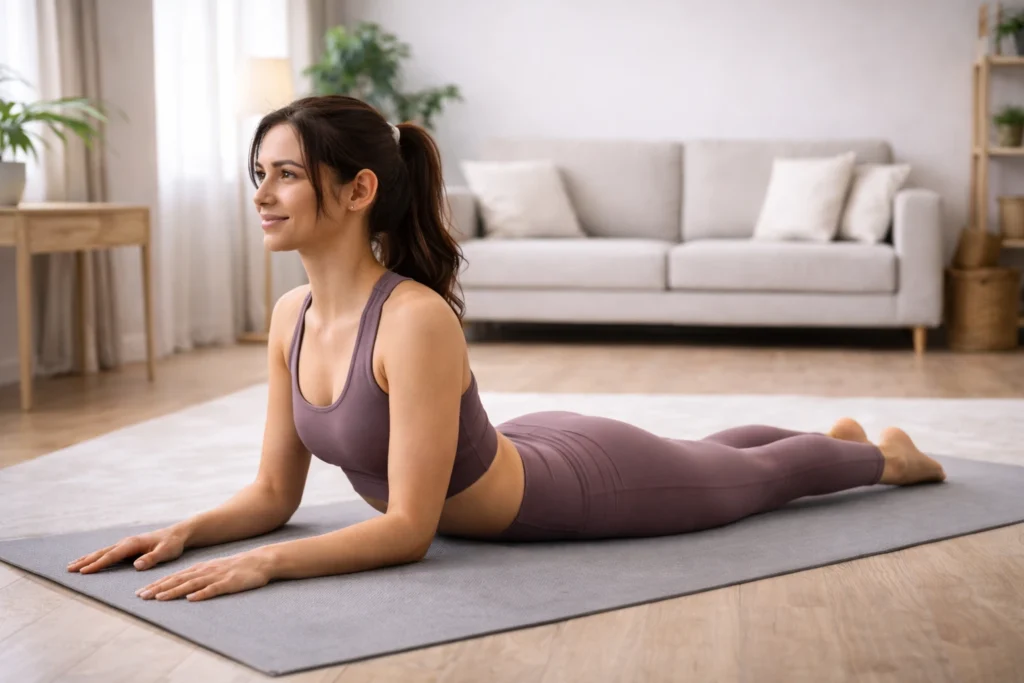
Sphinx Pose is a light backbend that lifts the chest slightly while the hips stay on the floor. This pose may help activate the muscles along the lower back while also opening the front of the body. Because the movement is small, many beginners find it easy to practise.
Simple Steps
- Lie face down on a yoga mat.
- Place your elbows on the floor so they are aligned under your shoulders.
- Keep your forearms resting flat on the mat.
- Gently raise your upper chest without lifting your hips.
- Keep the shoulders relaxed and look forward.
Hold the pose while breathing slowly.
Child’s Pose

Child’s Pose is known as a calming yoga position. It softly stretches the back while allowing the body to rest.
Many people use this pose during yoga practice whenever they want to relax the spine and hips.
Simple Steps
- Begin by kneeling on the mat.
- Slowly lower your hips toward your heels.
- Extend your arms forward along the floor.
- Allow your forehead to move toward the mat.
- Take slow and steady breaths.
Hold the pose for around 30 seconds.
Cat-Cow Pose

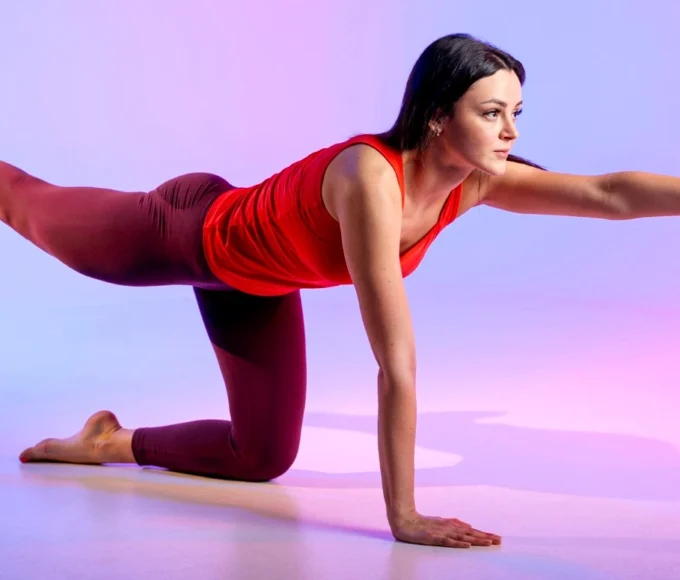
Cat-Cow is a smooth flowing movement that gently bends and rounds the spine. This motion helps wake up the back muscles and encourages natural movement in the spine.
Because the movement is slow and controlled, it is often used as a warm-up in yoga sessions.
Simple Steps
- Start on your hands and knees.
- Keep your wrists below your shoulders.
- Keep your knees below your hips.
- Slowly lift your chest while letting your belly move downward.
- Then round your back slightly while lowering your head.
- Continue moving back and forth slowly.
Repeat for several calm breaths.
Supine Twist
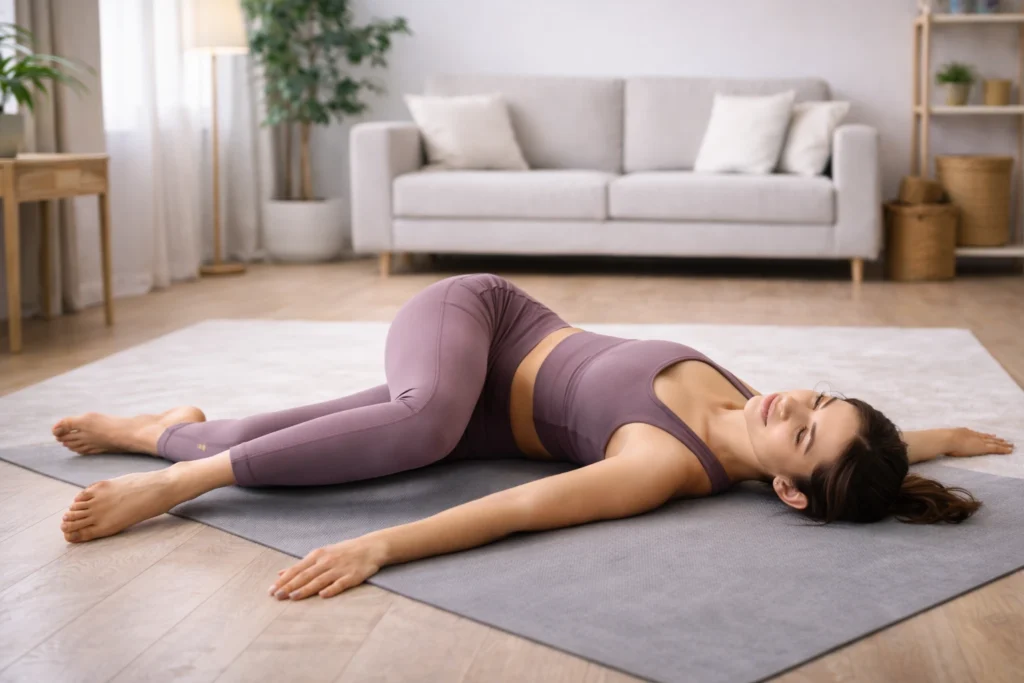
The Supine Twist is a lying twist that gently rotates the spine. This movement can help the back muscles feel looser and may improve overall mobility.
Many people enjoy this pose because it feels relaxing and easy to hold.
Simple Steps
- Lie comfortably on your back.
- Bend your knees and keep your feet flat on the floor.
- Let the knees slowly fall to one side.
- If comfortable, turn your head toward the opposite side.
- Keep your shoulders resting on the floor.
Hold for a few breaths before switching sides.
Bridge Pose

Bridge Pose lifts the hips off the floor while the shoulders stay grounded. This movement activates the hips, core, and back muscles. It may help support posture and encourage stability in the spine.
Simple Steps
- Lie on your back and bend your knees.
- Place your feet flat on the mat.
- Keep your arms relaxed beside your body.
- Slowly raise your hips upward.
- Keep your upper back and shoulders touching the mat.
Pause for a few breaths, then lower slowly.
Legs Up the Wall Pose

Legs-Up-the-Wall is a gentle restorative pose. In this position, the legs rest against a wall while the body relaxes on the floor. This pose may reduce pressure on the lower back and help the body feel calm.
Simple Steps
- Sit next to a wall.
- Lie down and extend your legs upwards along the wall.
- Let your arms rest comfortably by your sides.
- Close your eyes and breathe slowly.
Stay in this pose for several minutes if it feels comfortable.
Simple Pose Comparison Table
| Yoga Pose | Main Benefit | Difficulty |
|---|---|---|
| Cat-Cow | encourages spine movement | easy |
| Child’s Pose | gentle stretch for lower back | easy |
| Sphinx Pose | light back activation | easy |
| Supine Twist | improves spinal rotation | easy |
| Bridge Pose | strengthens hips and back | moderate |
| Legs-Up-the-Wall | deep relaxation | very easy |
How Much Yoga Is Helpful for Back Comfort?
Many beginners begin with five to ten minutes of gentle yoga each day. Even short sessions can help the body feel less stiff.
Regular practice is usually more helpful than doing a long workout once in a while. With time, the body may start to move more easily.
Some people enjoy yoga in the morning to wake up their muscles, while others prefer doing it in the evening to unwind.
When to Be Careful With Yoga for Back Issues
Gentle yoga should always feel comfortable and controlled. Avoid pushing your body too far into a stretch. If a movement causes pain, it is better to stop.
Slow transitions between poses can also protect the muscles from strain. Anyone with long-lasting or severe back pain may want to talk with a healthcare professional before starting new exercises.
Common Mistakes Beginners Make
People who are new to yoga sometimes make simple mistakes.
• Moving too quickly through poses
• Trying to stretch deeper than the body allows
• Forgetting to breathe slowly
• Skipping warm-up movements
Taking your time and moving gently can make yoga feel safer and more enjoyable.
Expert Insight
Yoga teachers often suggest gentle poses and relaxed breathing for people who experience stiffness in the back. Slow movements allow the body to loosen gradually instead of forcing the muscles.
With regular practice, these small movements may support flexibility and healthier spinal motion.
Extra Tips for a Healthy Back
Yoga can help, but daily habits also matter.
Take breaks from sitting.
Stand up and move around every 30–60 minutes.
Watch your posture.
Keep your shoulders relaxed and your back upright while sitting.
Walk regularly.
Walking keeps the body active and supports spinal movement.
Choose supportive seating.
A chair that supports the lower back may reduce strain.
Small lifestyle habits can support long-term back comfort.
Gentle yoga does not need to be complicated. Even a few simple poses practiced slowly can help the body move and relax. If you decide to try yoga for back comfort, start slowly, breathe calmly, and allow your body to guide you.
FAQs
Can yoga help back discomfort?
Gentle yoga may help stretch tight muscles and improve flexibility. Slow movements can support better posture and relaxed back muscles.
Which yoga poses are best for beginners?
Cat-Cow, Child’s Pose, and Legs-Up-the-Wall are simple poses many beginners find comfortable.
How often should I practice yoga for my back?
Many beginners start with about 5–10 minutes daily with slow and gentle movements.
Is yoga safe for a stiff back?
Usually yes if movements are slow and comfortable. Stop if you feel pain.







Leave a comment