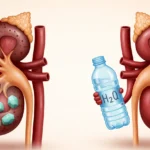





When you wake up in the morning, you feel a little dry, so you quickly drink a glass of water. After staying busy all day, you realise you haven’t had enough water, so you finish an entire bottle at once, and in that moment, it feels like you’ve completed your hydration.
But after a while, your mouth feels dry again, your energy drops, and you need to use the restroom. That’s when you start wondering, “Even after drinking plenty of water, why don’t I feel truly hydrated?”
This is where an important realisation comes in: hydration is not just about quantity. How you drink water matters just as much.
Sipping water throughout the day hydrates the body more effectively. Drinking a large amount at once causes much of it to be quickly eliminated through urine, making hydration less efficient.
Table of Contents
Why Hydration Habits Matter More Than You Think
Most people think that if they drink enough water throughout the day, their hydration will automatically be fine. But the body doesn’t work that simply.
The body needs a steady supply of fluids. When you sometimes drink too much and other times not at all, it becomes difficult for the body to maintain balance. This imbalance gradually shows up as fatigue, low focus, and dryness.
That’s why the real focus of hydration should be on the pattern, not just the quantity.
Sipping vs Chugging: Understand the Real Difference
The difference between sipping and chugging is not just about speed but about how the body responds.
When you sip water, you give your body time to absorb it, and the process remains smooth and controlled.
On the other hand, when you drink a large amount at once, the body suddenly feels overloaded. In that situation, instead of storing the extra water, it starts removing it.
In simple terms, sipping is like a steady supply, while chugging is like a sudden flood.
Which Method Hydrates Better?
If your goal is real hydration, then sipping is clearly the better option. When you drink water in small amounts, the body absorbs it efficiently and delivers it to the cells, keeping hydration stable.
But when you drink too much at once, the body cannot fully use it. A significant portion is directly eliminated through urine.
So, drinking more water alone does not improve hydration—the right pattern is what matters.
How the Body Absorbs Water
When you drink water, it doesn’t immediately reach your cells. First, it passes through the stomach, then gets absorbed in the intestines. After that, it travels through the bloodstream to different parts of the body, and this process is naturally slow.
When you sip water, the body can easily manage this process. But when you drink a large amount at once, the absorption capacity gets exceeded.
In that situation, the body does the following:
- Starts filtering out the excess water
- Urine output increases
- The body is unable to retain the water
That’s why more water does not always mean better hydration.
Why Sipping Water Works Better
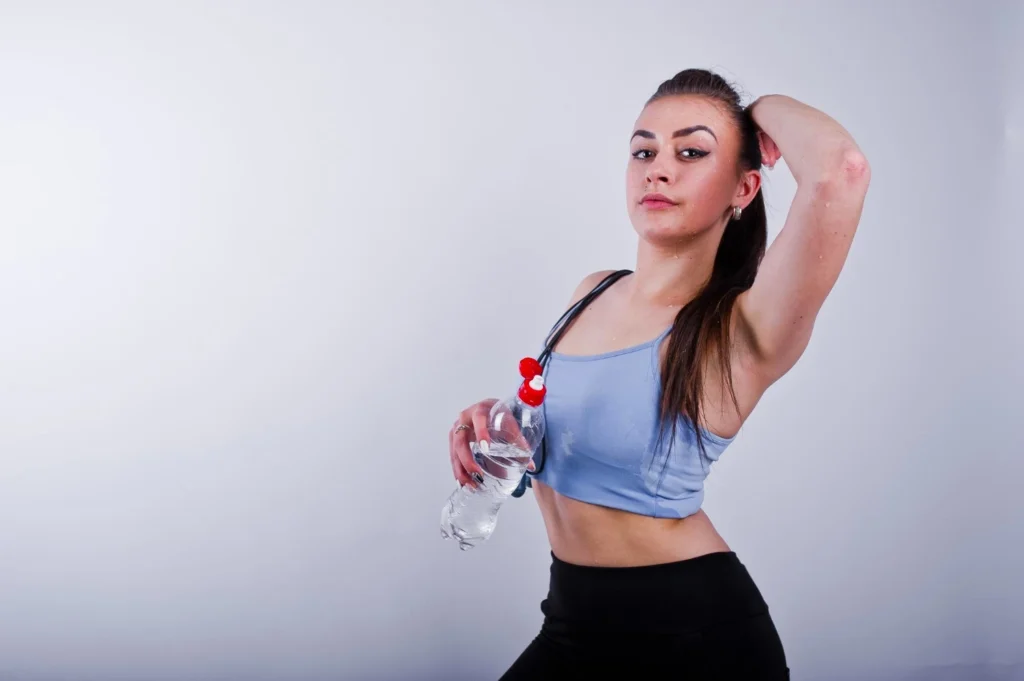
Sipping aligns with the body’s natural rhythm and keeps hydration stable, providing continuous support to the cells.
When hydration is stable, the body’s systems perform better. The effect builds gradually, but it becomes clearly noticeable over time.
Key benefits of sipping include the following:
- The body absorbs water more efficiently
- Energy levels remain stable
- Metabolism functions smoothly
- Electrolyte balance stays maintained
- Kidneys are not put under unnecessary pressure
Over time, you will notice a clear difference, even without increasing your total water intake.
What Happens When You Drink a Large Amount All at Once?
Drinking a large amount of water at once may feel refreshing in the short term, but internally it is not efficient.
Instead of handling the sudden excess, the body begins to eliminate it. This leads to uneven hydration.
Some common effects of this pattern include:
- Frequent urination
- Temporary bloating
- Loss of hydration instead of gain
- Risk of electrolyte imbalance
In extreme cases, sodium dilution can occur, which can be unsafe. That’s why making chugging a regular habit is not the right approach.
Daily Life’s Biggest Hydration Mistakes
In daily life, the main reason for poor hydration is not a lack of awareness but routine. People often ignore water due to busy schedules and then try to compensate by drinking too much at once.
This pattern confuses the body instead of providing consistent hydration. Sometimes the body is overloaded, and other times it is under-hydrated.
If you look closely, these mistakes are very common today:
- Not drinking water for long periods during work or study
- Drinking water only when thirst is already strong
- Drinking a large amount at the end of the day
- Ignoring hydration due to being busy
- Underestimating water needs during heat or workouts
Correcting these small mistakes can automatically improve hydration without extra effort.
Simple Hydration Shift That Actually Works
Most people only think about how much water they need to drink throughout the day, but they ignore how they are drinking it.
When you drink too much water at once, the body eliminates it quickly instead of using it efficiently, which is why frequent urination starts shortly after.
In contrast, when you sip water throughout the day, the body gradually absorbs it, keeping hydration levels stable and reducing unnecessary water loss.
This small shift may seem simple, but in the long run, it creates a clear difference in energy, focus, and overall hydration.
When Drinking More at Once Can Be Useful
Not every situation is the same. In some cases, drinking a larger amount of water at once can be helpful, but it should be controlled.
For example, after intense workouts or heavy sweating, the body needs fluids, so initial intake can be slightly higher. However, the important point is to return to a normal sipping pattern afterwards.
Useful situations include:
- Post-workout recovery
- After heat exposure
- Mild dehydration
This is a temporary adjustment, not a permanent habit.
Benefits of Proper Hydration
When you stay properly hydrated, the body’s performance naturally improves. These changes are subtle but become very powerful over time.
Benefits of proper hydration include:
- Better focus and mental clarity
- Smooth digestion
- Stable energy levels
- Healthier-looking skin
- Better body temperature control
All of this happens when you drink water in the right pattern.
Sipping Water vs Drinking All at Once
| Factor | Sipping Water | Drinking All at Once |
|---|---|---|
| Absorption | Gradual and efficient | Fast but inefficient |
| Hydration | Consistent | Temporary |
| Urination | Normal | Frequent |
| Kidney Load | Balanced | High |
| Electrolytes | Stable | Dilution risk |
| Energy | Stable | Fluctuating |
What Experts Suggest
Health experts generally recommend keeping hydration steady. Research also shows that when water is consumed gradually, the body utilises it more effectively.
With rapid intake, water is eliminated quickly, which reduces hydration efficiency. That’s why the focus should be on consistent habits rather than just total quantity.
Practical Hydration Tips
If you want to improve your hydration, following a simple routine is the most effective approach.
These tips can easily be implemented in daily life:
- Drink water right after waking up
- Take small sips every 15–20 minutes
- Keep a bottle with you at all times
- Don’t wait for extreme thirst
- Adjust intake based on activity and weather
- Spread water intake evenly throughout the day
Consistency is the most important factor.
Common Mistakes to Avoid
To improve hydration, it’s not enough to build good habits—you also need to avoid common mistakes.
Some frequent mistakes people make include:
- Drinking too much water at once
- Taking long gaps without water
- Relying only on thirst
- Skipping water due to a busy schedule
- Ignoring intake during heat or workouts
Avoiding these mistakes can significantly improve hydration quality.
Who Should Be More Careful
For some people, hydration is even more important, so they should pay extra attention to their drinking patterns.
This includes:
- People with kidney-related issues
- Athletes or highly active individuals
- Older adults
- Children
In these cases, it’s better to follow a more personalised hydration approach.
Hydration Is Not Just About Water—Balance and Consistency Matter
Hydration is not just about drinking water—it actually depends on the balance between water and electrolytes. When you drink too much water at once, sodium levels in the body can temporarily become diluted, which can disturb internal balance.
That’s why experts generally consider slow, steady hydration to be more effective, as it allows the body to use water properly instead of quickly eliminating it.
To follow this concept simply, one small habit is enough. If you keep a water bottle with you and take small sips throughout the day, hydration naturally stays stable. This approach avoids both overthinking and overload—your body simply gets what it needs, when it needs it.
Conclusion
In daily life, hydration is a continuous process, not a one-time action. When you shift your habit toward small, consistent sips, the body naturally responds better.
It doesn’t require much effort—just a change in pattern. And that small change creates a big difference over time. 🔥
FAQs:
How much water should you drink per day for proper hydration?
There’s no single number that suits everyone. Your hydration needs depend on factors like body size, activity level, and climate. Instead of forcing a target, focus on drinking small amounts consistently throughout the day and adjusting based on your body’s signals.
Is it bad to drink a lot of water at once?
Drinking large amounts occasionally isn’t harmful for healthy individuals, but doing it regularly is not ideal. The body may not absorb all the water efficiently, leading to frequent urination and reduced hydration benefits.
How do you know if your body is properly hydrated?
Clear or light yellow urine, stable energy levels, and the absence of constant thirst are common signs of good hydration. If you often feel tired, dizzy, or have dry skin, your hydration pattern may need improvement.
Does sipping water really make a difference in energy levels?
Yes, it can. When your body stays consistently hydrated, blood circulation and oxygen delivery improve, which helps maintain steady energy and better focus throughout the day.
Can you stay hydrated without drinking only water?
Yes, hydration also comes from foods like fruits and vegetables, as well as drinks like coconut water or soups. However, plain water should still be your primary source for maintaining proper hydration balance.







Leave a comment