


Hair growth is affected by many things, and nutrition is one of them. Hair follicles are active tissues that need a regular supply of energy, protein, vitamins, and minerals. When the diet is deficient in essential nutrients, hair may grow slowly, feel weak, or fall out more than normal. A good diet doesn’t guarantee thick hair, but it can provide the necessary conditions for normal hair growth.
How Diet Influences Hair Growth
Hair grows from follicles in the scalp. These follicles rely on nutrients delivered through the bloodstream. If the body is low in certain nutrients, it may prioritize vital organs over hair, which is not essential for survival.
Protein, iron, zinc, essential fats, and several vitamins help follicles function properly. When intake is too low, hair may become thin, brittle, or enter a resting phase sooner than expected. A balanced diet helps support the natural growth cycle, but it works gradually, not overnight.
Foods Commonly Recommended for Hair Health
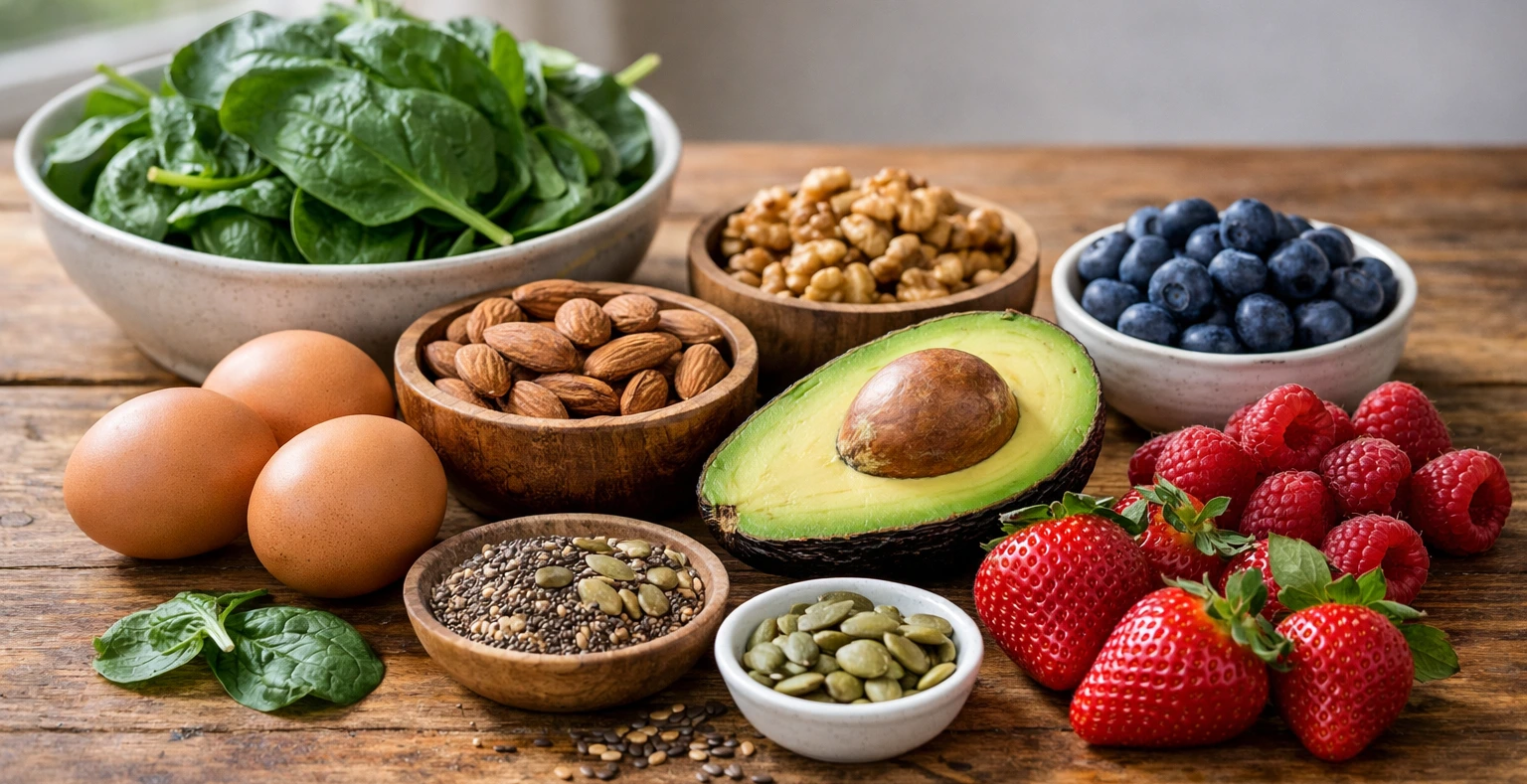
Nutrition experts often focus on whole foods that provide key nutrients known to support hair structure and scalp health. No single food works alone. The goal is a varied, balanced diet over time.
Eggs
Key nutrients: Protein, biotin, zinc
Why they help: Hair is mostly made of protein. Eggs provide high-quality protein that helps support hair structure. They also contain biotin, a nutrient linked with healthy hair and nails.
Who may benefit: People who eat little protein or avoid animal foods may notice benefits from regularly including eggs.
Fatty Fish (Salmon, Sardines, Mackerel)
Key nutrients: Omega-3 fats, protein, vitamin D
Why they help: Omega-3 fats help support scalp health and may reduce dryness. Fatty fish also provide the protein needed for hair strands.
Who may benefit: People with dry scalps or low intake of healthy fats.
Nuts and Seeds
Key nutrients: Zinc, selenium, healthy fats
Why they help: Seeds and nuts provide minerals involved in hair tissue maintenance. Zinc supports follicle function, while healthy fats help keep hair flexible.
Who may benefit: Those with brittle hair or low intake of plant-based fats.
Examples include pumpkin seeds, sunflower seeds, almonds, and walnuts.
Berries
Key nutrients: Vitamin C, antioxidants
Why they help: Vitamin C helps the body absorb iron and supports collagen production, which is part of hair structure. Antioxidants help protect cells from damage.
Who may benefit: People with low fruit intake or diets low in vitamin C.
Leafy Green Vegetables
Key nutrients: Iron, folate, vitamins A and C
Why they help: Leafy greens help deliver oxygen to hair follicles through iron. Folate supports cell growth, including hair-producing cells.
Who may benefit: People who eat little red meat or have low iron intake.
Spinach, kale, and Swiss chard are common examples.
Iron-Rich Foods
Key nutrients: Iron
Why they help: Iron helps red blood cells carry oxygen to the follicles. Low iron levels are commonly linked with hair shedding.
Who may benefit: menstruating women, vegetarians, and people with low iron intake.
Sources include lentils, beans, tofu, fortified cereals, red meat, and poultry.
Greek Yogurt and Dairy Foods
Key nutrients: Protein, vitamin B12
Why they help: Dairy provides protein and vitamin B12, which supports red blood cell production and follicle health.
Who may benefit: People who consume dairy and want an easy protein source.
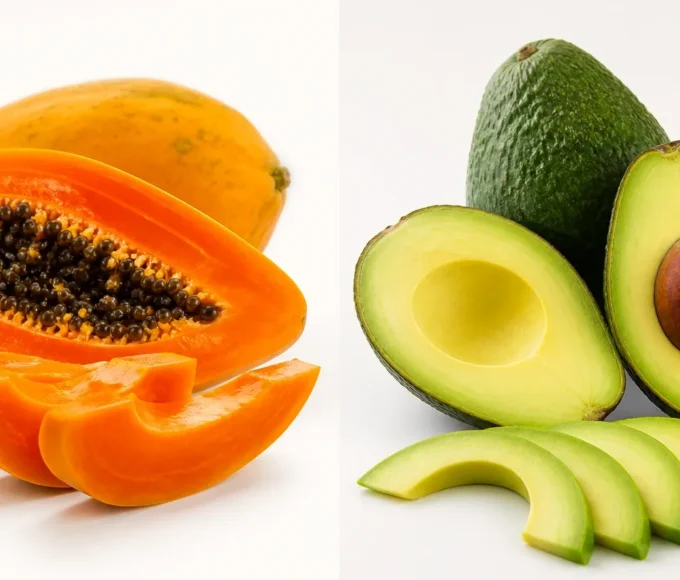
Avocados
Key nutrients: Healthy fats, vitamin E
Why they help: Healthy fats help moisturize the scalp and support hair flexibility. Vitamin E supports skin and scalp health.
Who may benefit: People with dry hair or very low-fat diets.
Whole Grains
Key nutrients: B vitamins, zinc
Why they help: B vitamins help support energy metabolism in hair follicles. Whole grains also provide fiber for overall health.
Who may benefit: those who rely heavily on refined grains.
Beans and Lentils
Key nutrients: Protein, iron, zinc
Why they help: These plant-based foods provide multiple nutrients important for hair growth, especially for people who do not eat meat.
Who may benefit: vegetarians, vegans, or anyone reducing their intake of animal foods.
What Food Cannot Fix
Diet plays a supportive role, but it cannot solve every hair concern. Genetics strongly influence hair thickness, density, and growth speed. Hormonal changes, ageing, and certain medical conditions can also affect hair.
Nutrition alone cannot reverse genetic hair thinning or sudden hair loss caused by illness, stress, or hormonal shifts. In these cases, food helps overall health but may not change hair patterns significantly.
How Long Diet Changes Take to Show Results
Hair grows slowly. On average, hair grows about half an inch per month. Because of this, dietary changes usually take two to three months to show any noticeable effect, sometimes longer.
Hair that is already damaged will not repair itself, but new hair growth may appear stronger over time. Consistency matters more than short-term changes.
When to Speak to a Doctor
It may be helpful to seek medical advice if hair loss is sudden, severe, or continues despite good nutrition. A healthcare professional can check for nutrient deficiencies, hormonal issues, or other underlying causes.
People with ongoing fatigue, pale skin, dizziness, or changes in appetite should also consider medical guidance, as these may signal nutrient imbalances.
A Practical Way to Think About Hair-Friendly Eating
Instead of focusing on one “hair food”, experts encourage looking at overall eating patterns. Regular meals with protein, fruits, vegetables, whole grains, and healthy fats support hair the same way they support the rest of the body.
Hair health reflects long-term habits. Gentle care, stress management, and balanced nutrition work together. Food supports the process, but patience is essential.
Medical & Nutrition Disclaimer
This article is for general informational purposes only. It does not replace professional medical or dietary advice. Individual needs vary, and anyone with ongoing hair loss or health concerns should consult a qualified healthcare professional.
Latest Posts: –
- ABC Juice Benefits: What This Nutrient-Rich Drink Really Does for Your Body
- Papaya vs Avocado: Which Fruit Is Better for Weight Loss, Digestion, and Overall Health?
- Papaya Benefits for Women: Skin, Hormones & Weight Loss Explained
- Fig Benefits for Men: Can Figs Really Help Boost Energy and Stamina?
- Papaya for Digestion: How This Enzyme-Rich Fruit Fixes Your Gut Naturally




Leave a comment