





(And Why Ignoring It Makes Things Worse Over Time)
Stress doesn’t always shout.
Most of the time, it whispers.
It hides in your tight shoulders.
It sits quietly behind your tired eyes.
It shows up as poor sleep, random body pain, or a short temper you don’t recognize anymore.
Many people think stress only affects the mind.
But the truth is simple and serious:
Constant stress slowly changes your entire body — from the inside out.
This doesn’t happen overnight.
It happens quietly, day by day, while life keeps moving.
Stress Is Not Always Bad — Until It Never Stops
Short-term stress is normal.
Your body is designed to handle pressure:
- A deadline
- A tough conversation
- A sudden problem
In these moments, stress helps you stay alert and focused.
But constant stress is different.
This is the stress that:
- Never fully goes away
- Follows you to bed
- Sits with you even on “rest days”
When stress becomes your normal state, your body stays in survival mode for too long.
And that’s when damage begins.
What Happens Inside Your Body During Constant Stress

When you feel stressed, your brain sends an alarm.
It releases stress hormones like:
- Cortisol
- Adrenaline
These hormones are helpful for short periods.
But when they stay high all the time, they start affecting every system in your body.
Think of it like keeping your car engine running 24/7.
Even the strongest engine will break down.
1. Your Brain Gets Tired Before Your Body Does
One of the first places stress shows up is the brain.
Over time, constant stress can cause:
- Racing thoughts
- Poor focus
- Forgetfulness
- Brain fog
- Emotional numbness
You may feel mentally tired even after sleeping.
This happens because stress keeps your brain alert when it should be resting.
Your mind never fully “shuts off.”
Slowly, decision-making becomes harder.
Small tasks feel heavy.
You feel overwhelmed easily.
This is not weakness.
This is mental overload.
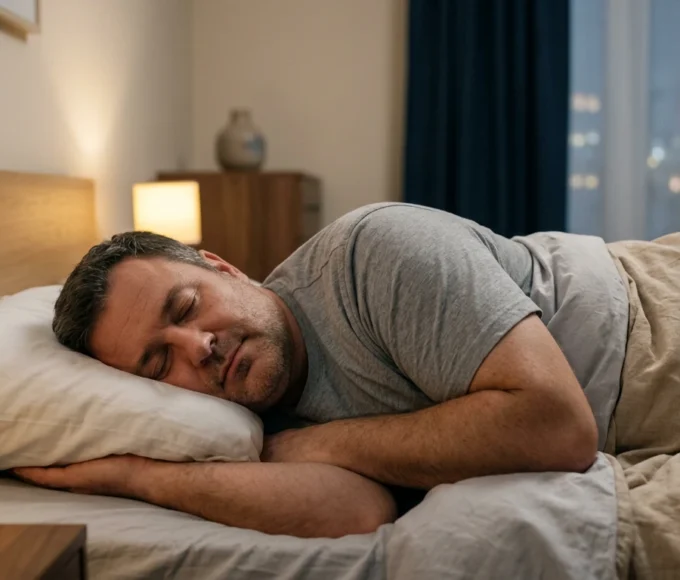
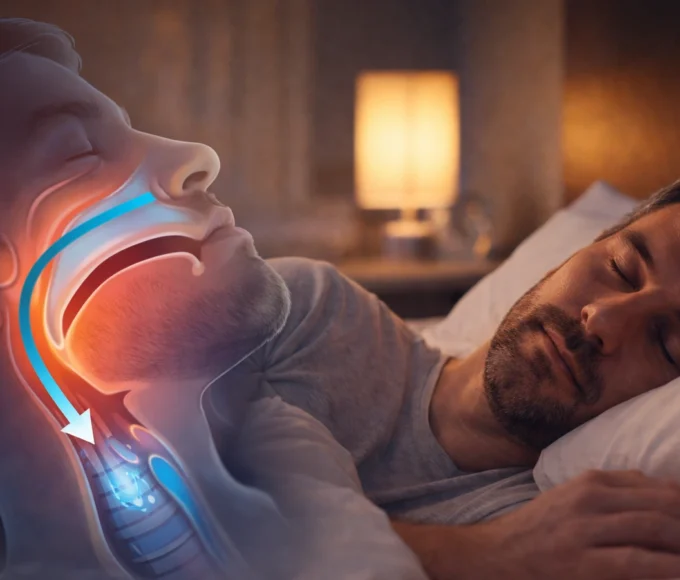
2. Your Sleep Becomes Light and Unrefreshing
Stress and sleep don’t get along.
When stress is constant:
- You fall asleep late
- You wake up often
- You wake up tired
Even if you sleep for 7–8 hours, it doesn’t feel deep.
Why?
Because stress hormones keep your nervous system active.
Your body rests, but your mind stays alert.
Poor sleep then increases stress even more.
This creates a loop:
stress → bad sleep → more stress
3. Your Immune System Slowly Weakens
Many people don’t realize this, but stress directly affects immunity.
Long-term stress:
- Reduces immune response
- Makes you fall sick more often
- Slows healing
- Increases inflammation
That’s why stressed people often complain of:
- Frequent colds
- Body aches
- Low energy
- Feeling “run down”
Your body is busy managing stress, so it has less energy to protect you.
4. Your Heart and Blood Pressure Feel the Pressure
Stress doesn’t just affect emotions.
It affects circulation.
Constant stress can lead to:
- Higher blood pressure
- Faster heart rate
- Tight blood vessels
Over time, this increases the risk of:
- Heart disease
- Stroke
- Irregular heartbeat
Even young people can feel:
- Chest tightness
- Shortness of breath
- Palpitations
These are warning signs, not imagination.
5. Your Digestion Starts Acting Strange
The gut and brain are deeply connected.
When stress becomes constant:
- Digestion slows down
- Acid levels change
- Gut bacteria balance shifts
This can cause:
- Bloating
- Constipation or loose stools
- Acid reflux
- Stomach pain
Many people treat digestion issues with food changes but ignore stress — the real trigger.
6. Your Muscles Stay Tight All the Time
Stress causes your muscles to tighten automatically.
When this tension doesn’t release:
- Neck pain becomes normal
- Shoulder stiffness increases
- Back pain appears without injury
- Jaw clenching happens
You may stretch or rest, but the tightness returns.
That’s because the nervous system is still on high alert.
7. Hormones Slowly Go Out of Balance
Stress affects hormonal balance in both men and women.
Over time, it can:
- Disrupt menstrual cycles
- Lower libido
- Increase fatigue
- Affect thyroid function
In women, stress may worsen:
- PMS
- Irregular periods
In men, it may lower energy and motivation.
Hormones need calm signals to stay balanced.
Stress sends the opposite message.
8. Your Skin and Hair Show the Damage
Your body prioritizes survival over appearance.
So during long-term stress:
- Skin becomes dull or breaks out
- Hair fall increases
- Dark circles deepen
This isn’t about beauty.
It’s a sign your body is under pressure.
9. Emotional Changes Sneak In Quietly
Constant stress doesn’t always look like panic.
Sometimes it looks like this:
- Irritability
- Loss of patience
- Feeling disconnected
- Not enjoying things you used to
You may feel “fine” on the surface but empty inside.
This emotional dullness is a coping response — not your true self.
Why Most People Ignore These Signs
Because stress is normalized.
People say:
- “Everyone is stressed.”
- “This is just life.”
- “I’ll rest later.”
But the body doesn’t wait for “later”.
It keeps score.
How Constant Stress Slowly Turns Into Bigger Problems
When stress is ignored for years, it can contribute to:
- Chronic fatigue
- Anxiety disorders
- Depression
- Metabolic issues
- Heart disease
These conditions don’t appear suddenly.
They grow quietly from unmanaged stress.
The Good News: Stress Damage Is Often Reversible
Your body wants to heal.
When stress is reduced:
- Hormones rebalance
- Sleep improves
- Energy returns
- Digestion stabilizes
But healing starts with awareness.
Simple, Natural Ways to Lower Stress (That Actually Work)
You don’t need extreme changes.
Small daily actions matter most.
1. Slow Your Breathing
Deep, slow breathing tells your nervous system you’re safe.
Just 5 minutes can reduce stress hormones.
2. Reduce Mental Noise
Write your thoughts down.
Your brain relaxes when it doesn’t have to remember everything.
3. Move Gently
Walking, stretching, or yoga helps release stored tension.
4. Create Real Rest
Rest is not scrolling.
Rest is quiet presence and mental pause.
5. Set Small Boundaries
You don’t need to do everything.
Protecting energy is not selfish.
Final Thought (No Drama, Just Truth)
Stress doesn’t destroy the body fast.
It does it slowly, quietly, politely.
Until one day, your body asks for attention louder than before.
Listening early is the smartest form of self-care.
Your body isn’t weak.
It’s communicating.
And when you respond with care, it heals — step by step.
FAQs:-
What does constant stress do to your body?
Constant stress keeps stress hormones like cortisol elevated, which can slowly affect the brain, heart, immune system, digestion, sleep, and hormones. Over time, it can lead to fatigue, poor focus, weak immunity, and chronic health problems.
Can stress really make you physically sick?
Yes. Long-term stress weakens the immune system, increases inflammation, disrupts digestion, raises blood pressure, and can trigger headaches, body pain, and frequent illness.
How do I know if stress is affecting my body?
Common signs include constant tiredness, poor sleep, body aches, stomach problems, mood changes, brain fog, and feeling overwhelmed even after rest.
How long does it take for stress to damage the body?
Stress damage happens slowly. Weeks of stress affect sleep and mood, while months or years of unmanaged stress can increase the risk of heart disease, hormonal imbalance, and mental health issues.
Can the body recover from long-term stress?
Yes. When stress is reduced, the nervous system calms down, hormones rebalance, sleep improves, and energy slowly returns. Early stress management helps the body heal faster.









Leave a comment