




Stress is a natural physiological response that helps the body cope with challenges. When you encounter a difficult task, a difficult conversation, or a sudden problem, your body activates a built-in alert system that helps you respond quickly.
For a short time, this response can actually be helpful. It sharpens focus, increases energy, and prepares the body for immediate stress. The problem begins when stress never fully stops.
When stress persists for weeks or months—whether from work demands, money worries, family responsibilities, or constant digital stimulation—the body remains on alert for extended periods of time. Over time, this constant tension can silently impact many of the body’s systems.
Many people believe that stress simply manifests as restlessness or extreme anxiety. In fact, chronic stress often shows up as mild physical and mental signs that are easy to ignore at first. Recognizing these early warning signs can help you understand when your body is telling you to reset.
What Happens in Your Body During Chronic Stress
When the brain detects a threat or challenge, it activates what is commonly known as the fight-or-flight response. This reaction is controlled by the nervous system and designed to prepare the body for immediate action.
Within seconds, stress hormones—primarily adrenaline and cortisol—are released into the bloodstream. Once these hormones are released, the body begins to respond with several rapid changes:
- Heart rate increases
- Breathing becomes faster
- Blood flow shifts toward muscles
- Energy stores are quickly mobilized
These changes are useful in short-term situations. If you suddenly need to react to danger or perform under pressure, the body temporarily boosts alertness and physical readiness.
However, the human body is not designed to stay in this heightened state continuously.
When stress becomes chronic, cortisol and other stress signals remain elevated for long periods. Instead of returning to a calm baseline, the nervous system stays partially activated.
Over time, this constant activation can influence several key systems:
- The nervous system, which regulates alertness and relaxation
- The immune system, which protects against infections
- The metabolic system, which controls energy use and blood sugar
Because these systems interact with nearly every organ in the body, the effects of prolonged stress can show up in many ways.
Hidden Signs of Chronic Stress You Shouldn’t Ignore
Not all stress feels like anxiety or panic. In many cases, the body communicates stress through subtle physical changes that develop gradually.
These signs may seem unrelated at first, but they can often be linked to ongoing tension within the nervous system.
Persistent Fatigue Even After Adequate Sleep
Many people experiencing chronic stress report feeling constantly drained. Sometimes energy levels stay low even after a complete night of sleep.
This happens because stress hormones interfere with the body’s normal recovery processes. When the nervous system stays alert for too long, deep restorative sleep becomes harder to achieve.
Muscle Tension and Unexplained Body Aches
Stress often causes muscles to tighten as part of the body’s protective response. When tension continues day after day, muscles may remain partially contracted.
This can lead to stiffness in areas such as the neck, shoulders, and lower back, sometimes creating persistent aches without an obvious physical injury.
Brain Fog or Trouble Concentrating
Long-term stress can make it difficult to focus on tasks that once felt simple. Many people describe this feeling as brain fog.
When the brain is constantly processing pressure or worry, fewer mental resources remain available for concentration, memory, and decision-making.
Digestive Discomfort
Your digestive system and nervous system work closely together. When stress signals remain active, digestion may slow down or become irregular.
This can contribute to symptoms such as:
- bloating
- stomach discomfort
- irregular appetite
- occasional nausea
Frequent Headaches
Stress-related muscle tension around the head and neck can sometimes trigger headaches. These headaches may feel like a steady pressure or tight band around the head.
They often appear during periods of prolonged mental strain or after a demanding day.
Skin Changes
The skin can also respond to internal stress signals. Some people notice increased acne breakouts, irritation, or flare-ups of existing skin conditions during stressful periods.
Stress hormones may influence oil production and inflammatory responses in the skin.
Hair Thinning or Increased Shedding
Extended stress can disrupt the normal growth cycle of hair. This may cause more strands than usual to enter the shedding phase at the same time.
While temporary hair shedding linked to stress often resolves over time, it can still be a surprising sign that the body is under strain.
Teeth Grinding or Jaw Tightness
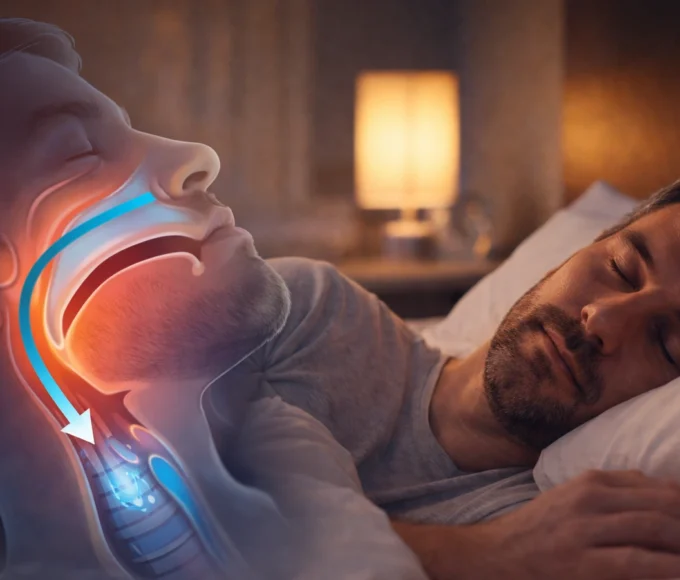
Some people unconsciously clench their jaw or grind their teeth when feeling tense. Sometimes it happens in the daytime, and other times it may occur during sleep.
Over time, jaw tension may lead to soreness, headaches, or dental wear.
Strong Cravings for Sugary or High-Fat Foods
Stress can influence hunger hormones and reward pathways in the brain. As a result, cravings for calorie-dense comfort foods often increase during stressful periods.
These foods may briefly improve mood, but the effect is usually temporary.
Getting Sick More Often
Chronic stress may reduce the efficiency of the immune system. When immune defenses become slightly weakened, the body may become more susceptible to minor infections such as colds.
Physical Symptoms of Stress
Beyond subtle warning signs, ongoing stress can also produce noticeable physical symptoms that affect daily life.
Headaches
Stress can tighten muscles around the scalp and neck, which may lead to tension headaches. These headaches often build gradually rather than appearing suddenly.
Fatigue
When the body spends long periods managing stress signals, it uses significant energy. This can create persistent tiredness, even if sleep duration appears normal.
Sleep Disturbances
Many people find it difficult to fall asleep or stay asleep during stressful periods. The mind may remain active late into the night, replaying events or anticipating future tasks.
Digestive Issues
Because stress affects nerve signals in the digestive tract, some individuals experience irregular digestion, stomach discomfort, or changes in appetite.
Muscle Stiffness
Muscles that stay tense for extended periods can become stiff or sore. This tension is especially common in the neck, shoulders, and upper back.
Emotional and Mental Symptoms of Stress
Stress does not only affect the body. It also influences emotional wellbeing and mental balance.
Irritability
When the brain is under constant pressure, patience can wear thin. Small frustrations may feel bigger than they normally would.
Anxiety
Persistent stress can create a sense of unease or worry. Even when there is no immediate threat, the brain may remain on high alert.
Mood Swings
Rapid shifts in mood can occur when emotional resources become depleted. One moment may feel manageable, while the next feels overwhelming.
Emotional Numbness
Some people respond to prolonged stress by mentally shutting down. Instead of feeling intense emotions, they may experience a sense of emotional distance.
Difficulty Relaxing
Even during free time, the body may struggle to shift into a calm state. The nervous system becomes accustomed to being “on,” making relaxation feel unfamiliar.
How Chronic Stress Affects Different Body Systems
Long-term stress can influence several major systems in the body.
Heart and Blood Pressure
Stress hormones temporarily increase heart rate and blood pressure. When this response occurs repeatedly over long periods, the cardiovascular system may experience additional strain.
This does not mean stress directly causes heart disease, but prolonged pressure may contribute to factors that affect heart health.
Digestive System
The digestive tract relies on balanced nerve signals to function smoothly. Chronic stress can disrupt this balance, sometimes affecting digestion, appetite, and gut sensitivity.
Immune System
Your immune system acts as a defense system that helps keep infections away. Ongoing stress signals may gradually weaken immune responses, making it slightly harder for the body to fight off certain illnesses.
Hormones and Metabolism
Stress hormones can influence how the body processes energy. Elevated cortisol levels may affect:
- hunger signals
- blood sugar balance
- fat storage patterns
Over time, these changes can influence weight and metabolic health.
Long-Term Health Risks of Untreated Stress
If chronic stress continues for extended periods without healthy coping strategies, it may contribute to broader health concerns.
Research suggests that long-term stress may be associated with increased risk of:
- high blood pressure
- heart disease
- obesity
- type 2 diabetes
- sleep disorders
It is important to remember that stress alone does not determine these conditions. However, persistent stress can interact with lifestyle factors such as sleep, diet, and physical activity.
Simple Ways to Reduce Chronic Stress
While stress cannot be completely eliminated, certain lifestyle habits can help the body recover more effectively from daily pressure.
Move Your Body Regularly
Physical activity is one of the most reliable ways to regulate stress hormones. Even moderate exercise—such as walking, cycling, or stretching—can help release built-up tension and improve mood.
Movement also encourages the brain to release chemicals that support emotional balance.
Practice Relaxation Techniques
Techniques that calm the nervous system can help shift the body out of stress mode. Examples include:
- deep breathing exercises
- meditation
- mindfulness practices
- gentle yoga
These practices encourage slower breathing and help the brain signal that it is safe to relax.
Improve Sleep Habits
Quality sleep is essential for nervous system recovery. Creating consistent bedtime routines, limiting late-night screen exposure, and keeping regular sleep schedules can support deeper rest.
Reduce Information Overload
Constant exposure to news alerts, notifications, and social media updates can increase mental fatigue.
Taking regular breaks from digital information can give the brain space to recover and focus.
Spend Time Outdoors
Being around nature often helps the nervous system feel more relaxed and balanced. Sunlight, fresh air, and green spaces may help reduce feelings of mental overload. Even short outdoor walks can create noticeable improvements in mood.
Build Supportive Social Connections
Human connection plays an important role in stress resilience. Talking with friends, family members, or supportive communities can help people process challenges and feel less isolated.
Sometimes simply sharing concerns can make stressful situations feel more manageable.
When to Seek Professional Help
Occasional stress is a normal part of life. However, if stress begins interfering with daily functioning, it may be helpful to speak with a healthcare professional.
Signs that additional support may be beneficial include:
- ongoing sleep problems
- persistent fatigue
- difficulty concentrating at work
- frequent physical symptoms linked to stress
- emotional distress that feels difficult to manage alone
Mental health professionals and healthcare providers can offer personalized guidance and strategies tailored to individual needs.
Conclusion
Stress is a natural part of the human experience, but when it becomes constant, the body may start sending subtle signals that something is out of balance.
Persistent fatigue, muscle tension, headaches, digestive discomfort, and changes in mood can all be quiet indicators that the nervous system is under prolonged strain.
Recognizing these signs early allows people to take meaningful steps toward restoring balance. Small adjustments—such as regular movement, quality sleep, supportive relationships, and moments of relaxation—can help the body recover from ongoing pressure.
Over time, learning to manage stress more effectively can support both physical health and emotional wellbeing.
Medical Disclaimer:
This article provides general educational information and is not intended to give medical advice. Always consult a qualified healthcare professional for diagnosis, treatment, or personalized medical guidance regarding any health concerns.







Leave a comment