




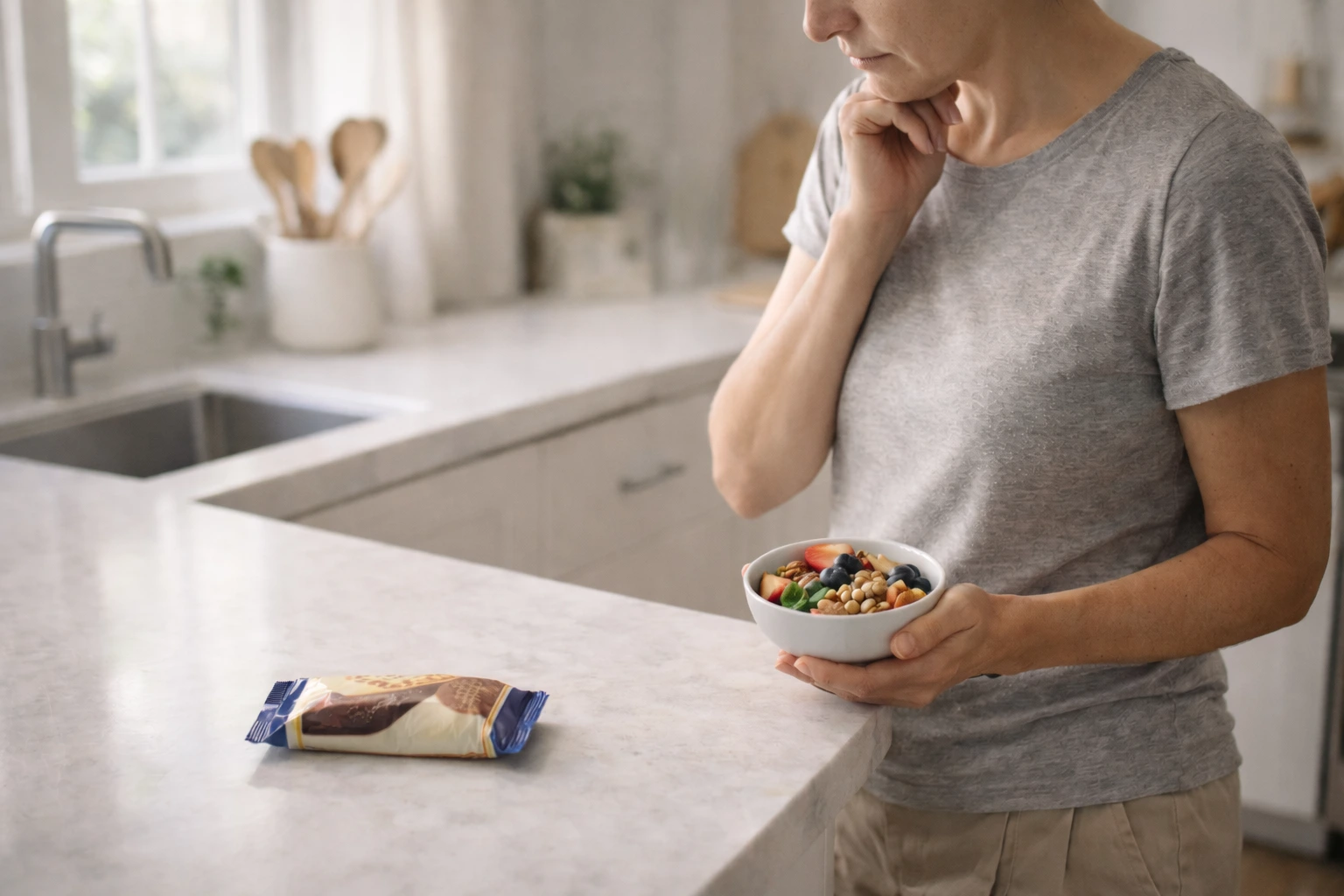
Around 3 p.m., it happens almost on cue. Focus begins to wander. Screens become a little blurry. The motivation that was consistently felt in the morning begins to wane. For many, these quick fixes remain at the desk or in the kitchen cabinet—a tucked-away snack to shake off lethargy.
But recent research suggests that this daily habit is probably quietly impacting more people’s energy levels than most people realize.
A study published in a peer-reviewed nutrition journal earlier this year followed adults who regularly felt tired in the afternoon. Instead of changing their entire diet, participants were asked to cut back on one specific thing: processed snack foods.
In just a few weeks, many people noticed a clear difference.
What the Study Looked At
The researchers observed a group of generally healthy adults over a three- to four-week period. Participants were not placed on strict meal plans. They were simply encouraged to cut back on highly processed snack items such as packaged cookies, chips, sweet snack bars, and sugar-sweetened beverages.
Importantly, the rest of their meals remained mostly unchanged.
By the end of the study period, a large portion of participants reported:
- Fewer sudden afternoon crashes
- More stable focus during work hours
- Reduced cravings between meals
- A steadier overall sense of energy
The findings were largely based on self-reported experiences rather than lab-measured metabolic markers. That means the results show association, not direct proof of cause. Still, researchers noted that the consistency in responses was strong enough to warrant further investigation.
Why Processed Snacks May Influence Energy
To understand the shift, it helps to look at how many processed snacks are built.
Most are high in refined carbohydrates and added sugars while being low in fiber and protein. This combination digests quickly. Glucose enters the bloodstream fast, which can create a sharp rise in blood sugar.
For some people, that rise is followed by a noticeable drop.
That drop is what many describe as a “crash.” It can come with:
- Fatigue
- Irritability
- Brain fog
- Sudden hunger
Whole foods that contain fiber, healthy fats, or protein tend to digest more slowly. That slower digestion may help support steadier blood sugar patterns, which can translate into more consistent energy.
It’s not that processed snacks automatically “drain” energy. It’s that the pattern of rapid spikes and dips may make energy feel less stable for some individuals.
What Counts as a Processed Snack?
The term can sound broad, so researchers were specific.
In this study, processed snacks referred to ready-to-eat packaged items primarily made from refined ingredients. Examples included:
- Potato chips and flavored crackers
- Packaged cookies and pastries
- Sweetened granola or energy bars
- Sugary yogurts marketed as snack cups
- Soda and other sweetened beverages
Processing itself is not the problem. Many foods undergo some form of processing. The concern tends to focus on products that are highly refined and designed for convenience and taste rather than nutritional balance.
What Changed When Participants Cut Back
One of the most interesting findings wasn’t just what participants removed—it was what they added.
Many replaced processed snacks with options like:
- Fruit paired with nuts
- Yogurt with less added sugar
- Hard-boiled eggs
- Small, balanced meals eaten earlier
These alternatives often contained more protein or fiber, which may have helped extend fullness and reduce repeated snacking.
Several participants also mentioned sleeping more comfortably at night, although researchers were careful to state that sleep was not a primary measured outcome.
The overall shift seemed to reduce the dramatic mid-day ups and downs.
A Balanced Perspective
The researchers emphasized that the study does not mean all processed foods are harmful or that eliminating them guarantees better energy.
Energy levels are influenced by many variables, including:
- Sleep quality
- Stress levels
- Hydration
- Physical activity
- Underlying health conditions
Someone sleeping five hours a night is unlikely to fix fatigue solely by changing snack choices.
Nutrition experts also point out that occasional packaged snacks are part of normal eating patterns for many people. The key factor appears to be frequency and overall dietary pattern rather than perfection.
Why the Timeline Matters
One notable detail from the study was the timeframe. Participants reported changes within a few weeks, not months.
That suggests the body may respond relatively quickly to shifts in daily carbohydrate patterns.
Blood sugar regulation, hunger hormones, and energy perception can adapt when eating habits change consistently. Small daily decisions, repeated over time, may have a larger effect than a single dramatic overhaul.
Practical Ways to Experiment
For readers curious about testing this approach, the study’s structure offers a realistic model.
Instead of removing every processed food, try adjusting one snack habit at a time.
For example:
- Swap afternoon chips for fruit and nuts
- Replace a sweet snack bar with yogurt and seeds
- Choose unsweetened beverages more often
- Pair carbohydrates with protein to slow digestion
Reading ingredient labels can also help identify added sugars or refined starches that digest quickly.
Gradual changes tend to be easier to maintain than strict rules.
When Fatigue Shouldn’t Be Ignored
While dietary habits can influence energy, persistent or severe fatigue deserves medical attention.
Ongoing tiredness may be related to:
- Sleep disorders
- Iron deficiency
- Thyroid imbalance
- Chronic stress
- Other underlying conditions
If fatigue feels unexplained, worsens over time, or interferes with daily activities, speaking with a healthcare professional is important.
Dietary adjustments can support well-being, but they are not a substitute for medical evaluation when symptoms persist.
The Bigger Picture
What makes this study interesting is not that it vilifies snacks. It highlights how subtle patterns shape how we feel day to day.
A packaged snack may offer convenience in the moment. But when that choice becomes automatic and frequent, it may influence blood sugar rhythms in ways that affect afternoon focus and stamina.
For some people, cutting back on processed snacks may lead to steadier energy within weeks. For others, the difference may be small.
Still, the findings add to growing research suggesting that everyday food habits — even the ones that feel minor — can quietly shape daily energy levels.
Sometimes, improving how you feel at 3 p.m. isn’t about pushing harder. It may be about changing what’s in your hand when the slump hits.
FAQs:
Do processed snacks really affect energy levels?
Research suggests that many processed snacks contain refined carbohydrates and added sugars that can cause quick blood sugar spikes. For some people, these spikes may be followed by energy crashes, which can affect how steady they feel throughout the day.
Are all packaged snacks bad for blood sugar?
No. Not all packaged foods affect blood sugar the same way. Snacks that contain fiber, protein, or healthy fats may have a more balanced impact compared with highly refined, sugar-heavy options.
How quickly can energy improve after cutting processed snacks?
In the study, participants reported noticing changes within a few weeks. That said, responses vary by individual, and energy levels can also be influenced by sleep, stress, and overall diet quality.
Can reducing processed snacks help prevent diabetes?
This study does not show prevention or treatment of diabetes. However, research indicates that eating patterns with fewer ultra-processed foods are linked with better blood sugar control, which may support overall metabolic health.
What’s a realistic first step to cut back on processed snacks?
Some experts suggest starting small, such as replacing one daily processed snack with a whole-food option or pairing snacks with protein to help reduce sharp blood sugar swings.
DISCLAIMER
This article is for informational purposes only and is not intended as medical advice. Individual responses to dietary changes can vary. If you experience persistent fatigue, blood sugar concerns, or other ongoing symptoms, consider speaking with a qualified healthcare professional for personalized guidance.
Latest Posts:
- What Happens to Your Skin When You Add a 5-Seed Trail Mix to Your Daily Diet
- Jogging vs Brisk Walking: Which Is Better for Weight Loss?
- 7 Homemade Drinks That May Help Improve Iron Deficiency and Boost Energy Levels
- Drinking Olive Oil Daily: Real Benefits, Side Effects & What Experts Want You to Know
- What are people thinking about Zepbound and sleep apnea?








Leave a comment