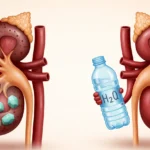





Many people today add omega-3 supplements to their daily routine, hoping to support their heart without thinking too much about it. It often becomes a simple habit—something you take with breakfast and forget about. But what most people don’t realize is that the effect on your cholesterol is not always as straightforward as it seems. Some numbers improve, others may shift in unexpected ways, and that’s where the real story begins.
Omega-3 supplements can lower triglycerides, may increase good cholesterol (HDL), and sometimes slightly raise LDL. Overall, they support heart health, but they are not a complete solution for managing cholesterol on their own.
What Happens to Your Cholesterol When You Take Omega-3 Daily?
Taking omega-3 every day mainly affects triglycerides, which are a type of fat found in your blood. In many cases, these levels go down, sometimes quite noticeably. At the same time, HDL, often called good cholesterol, may increase slightly, which is generally seen as a positive change for heart health.
What makes omega-3 interesting is how it works behind the scenes. It slows down how much fat your liver produces, especially triglycerides, which is why it is often suggested for people dealing with high levels. At the same time, it may improve the quality of LDL particles. Even if the number itself does not drop much, the particles can become less harmful, which still supports overall heart health.
Over time, these small changes can add up. Instead of creating a dramatic shift overnight, omega-3 tends to work in a more gradual and balanced way, helping your body manage fats more efficiently.
Does Omega-3 Lower Bad Cholesterol (LDL)?
There’s no single answer that fits everyone. Omega-3 is not mainly designed to lower LDL, which is often called ‘bad cholesterol’. In some cases, people may even notice a slight increase after taking supplements regularly.
What most people don’t realize is that not all LDL behaves the same way. Omega-3 may help change LDL into a larger, less harmful form. Smaller LDL particles are more likely to build up in the arteries, while larger ones are considered less risky. Because of this, a small increase in LDL does not always mean your heart risk is going up.
If your main goal is to reduce LDL, omega-3 alone is usually not enough. It works better when combined with a balanced diet, regular movement, and other healthy habits that support your body over time.
Why Omega-3 Supports Heart Health in More Than One Way
Omega-3 does more than just influence cholesterol numbers. Its real strength comes from how it supports your heart in several ways at the same time, often without obvious signs that you can feel day to day.
One of the key benefits is reducing inflammation. Ongoing low-level inflammation can quietly affect blood vessels, and omega-3 helps calm this process. As a result, your blood vessels may stay more flexible and function better over time.
It can also support smoother blood flow. Omega-3s may make your blood less sticky, which can reduce the chances of clots forming. This is one reason it is often linked with better overall heart health.
In addition, it may help your heart maintain a steady rhythm and function more efficiently. These effects are subtle, but they play an important role in long-term cardiovascular health.
How Omega-3 Affects Different Cholesterol Types
| Cholesterol Type | What Omega-3 Does |
|---|---|
| Triglycerides | Lowers |
| HDL (Good) | May increase |
| LDL (Bad) | May slightly increase |
What Most People Get Wrong About Omega-3
One common misunderstanding is thinking that omega-3 works like a quick fix. Many people assume that once they start taking it, their cholesterol problems will improve on their own without any other changes.
In reality, omega-3 works best as part of a bigger picture. If your daily habits include processed foods, excess sugar, or little physical activity, a supplement alone cannot fully balance those effects. It can support your body, but it cannot replace healthy choices.
Another expectation that often leads to confusion is the idea of quick results. Omega-3 usually works slowly, and the changes it creates may not always be obvious right away. Its benefits are more about long-term support rather than instant transformation.
How Long Does It Take to See Changes?
Omega-3 does not act overnight, and that is important to understand before expecting results. In many cases, changes in triglycerides can start appearing within a few weeks, especially when the supplement is taken consistently.
For other markers like HDL or LDL, the changes may take longer and can be less noticeable. Some people may not see dramatic differences in numbers, but that does not mean nothing is happening. The body is still adjusting in ways that support overall balance.
Consistency plays a major role here. Taking omega-3 occasionally or skipping doses reduces its effectiveness. Over time, regular use is what allows these gradual improvements to build.
What Experts Generally Say About Omega-3
Health experts often recommend omega-3 for people who have high triglycerides or are looking to support heart health. However, they usually describe it as a supportive step rather than a complete solution.
Most guidance focuses on combining omega-3 with other healthy habits. This includes eating balanced meals, staying physically active, and managing weight. When used this way, omega-3 becomes part of a broader approach that supports long-term health.
Experts also point out that supplements are not always necessary for everyone. People who regularly eat foods rich in omega-3, such as fatty fish, may already be getting enough through their diet.
Are There Any Risks or Side Effects?
For most people, omega-3 supplements are considered safe when taken in moderate amounts. However, some mild side effects can still occur, especially in the beginning.
A common issue is slight stomach discomfort, which may include bloating or a mild aftertaste. Taking the supplement with meals often helps reduce this effect. Choosing a good-quality product can also make a difference.
Another point to be aware of is how omega-3s affect blood flow. It may make your blood less likely to clot, which can be helpful, but it also means people taking certain medications should be careful. In such cases, it is better to speak with a healthcare provider before starting.
Some individuals may also notice mild digestive changes, especially if the dosage is higher than needed. Adjusting the amount usually resolves these effects.
Best Way to Take Omega-3 for Better Results
Omega-3 can be taken through food or supplements, and both options can be effective when used consistently. Foods like fatty fish provide a natural source along with other nutrients that support overall health.
If you choose supplements, taking them daily with meals can improve how well your body absorbs them. It also helps reduce the chance of discomfort. Consistency matters more than anything else, as the benefits build slowly over time.
Focusing on quality is also important. A well-made supplement with proper formulation tends to work better and may cause fewer side effects.
Common Mistakes That Reduce Its Benefits
One of the most common mistakes is expecting fast results and stopping too early. Since omega-3 works gradually, giving it enough time is important for seeing any real benefit.
Another issue is relying on supplements while ignoring diet and lifestyle. Omega-3 can support your health, but it cannot fully balance unhealthy habits on its own.
Taking the wrong amount is another factor that can limit results. If it’s too little, it may not work well, and too much can cause problems. Following general guidance or professional advice can help avoid this.
Inconsistency is also a major reason why people do not see results. Skipping doses or taking it irregularly reduces its impact over time.
Who Should Consider Omega-3 Supplements?
Omega-3 supplements may be helpful for people with high triglycerides, as they are known to support lowering these levels. They can also be useful for those who want to improve their overall heart health, especially if their diet lacks omega-3-rich foods.
People with a family history of heart concerns may also consider adding omega-3 as part of a preventive approach. However, it works best when combined with other healthy habits rather than used alone.
At the same time, not everyone needs a supplement. If your diet already includes enough omega-3, adding more may not provide extra benefits. Understanding your own needs is an important step before starting.
Omega-3 supplements can support cholesterol balance, especially by lowering triglycerides and improving how your body handles fats over time. However, they are not a shortcut or a replacement for healthy living. The real benefit comes when they are used consistently alongside balanced eating, regular movement, and overall care for their body. Results may vary from person to person, depending on lifestyle, diet, and individual health conditions.
FAQs:
Can omega-3 supplements replace cholesterol medicine?
No, omega-3 supplements cannot replace prescribed cholesterol medications. They can support heart health, especially by lowering triglycerides, but they do not work the same way as medicines that target LDL cholesterol. Always follow your doctor’s advice before making any changes.
Is it healthier to get omega-3 from foods or from supplements?
Getting omega-3 from food like fish is usually the best option because it comes with other helpful nutrients. However, if you don’t eat fish regularly, supplements can be a convenient and effective alternative.
Can omega-3 improve cholesterol levels in healthy people?
Yes, omega-3 can still support heart health even if your cholesterol levels are normal. It helps maintain balance in your blood fats and may reduce the risk of future heart problems when combined with a healthy lifestyle.
What is the best time of day to take omega-3 supplements?
There is no strict best time, but taking omega-3 with meals is recommended. It helps your body absorb it better and may reduce side effects like a fishy aftertaste or mild stomach discomfort.









Leave a comment