





You go to bed. You turn off the lights. The house is quiet. And instead of feeling peaceful, you feel a tightness in your chest, your thoughts race, and then sleep becomes elusive. If you’ve ever wondered why anxiety seems worse at night, you’re not imagining things—and you’re certainly not alone.
For many people, nighttime anxiety strikes when the day is over, and there’s nothing left to distract the mind. What seemed manageable in the light of day suddenly feels overwhelming, urgent, and deeply personal when the world quiets down.
Why Anxiety Feels Worse at Night When Everything Slows Down
During the day, life keeps moving. Work, messages, noise, errands—your brain stays busy. At night, those distractions fade, and your thoughts finally have space to speak up, often all at once.
- No tasks left to focus on
- Fewer people awake to talk to
- Silence that feels uncomfortable
- Thoughts looping without interruption
This quiet isn’t bad, but for an anxious mind, it can feel overwhelming instead of peaceful.
Your Brain Has More Room to Replay Worries at Night
Nighttime creates the perfect environment for rumination. Without external input, the brain often revisits unfinished conversations, mistakes, or “what if” scenarios you avoided all day.
- Replaying things you said earlier
- Worrying about tomorrow’s plans
- Imagining worst-case outcomes
- Feeling regret or guilt more strongly
This doesn’t mean something is wrong with you. It means your brain finally has time—and it doesn’t always use that time kindly.
Fatigue Makes Anxiety Feel Louder and Harder to Control
By night, your emotional reserves are low. Even small worries can feel much bigger when you’re tired, hungry, or overstimulated from the day.
- Less energy to self-soothe
- Lower patience for discomfort
- Harder time thinking clearly
- Emotions feel closer to the surface
What you could brush off at noon might feel unbearable at midnight.
Darkness Can Increase Feelings of Vulnerability
There’s something about nighttime that makes people feel more exposed. You’re alone with your thoughts, your body is still, and your sense of safety can feel shaky—even if nothing is actually wrong.
- Fewer visual cues for reassurance
- Body sensations feel more noticeable
- Heartbeat and breathing stand out
- Fear feels more personal in the dark
This is especially common if you’ve ever experienced panic at night before. Your body remembers.
Nighttime Anxiety Often Targets the Body First
For many people, anxiety at night isn’t just mental—it’s physical. The sensations can be confusing and scary when you’re trying to fall asleep.
- Chest tightness
- Short or shallow breathing
- Racing heart
- Restless legs or hands
- A feeling of being “on edge”
These sensations can make you worry something is seriously wrong, which feeds the anxiety loop even more.
Sleep Pressure and Fear of Not Sleeping Can Make Things Worse
Ironically, trying too hard to fall asleep can increase anxiety. The more you worry about not sleeping, the more alert your body becomes.
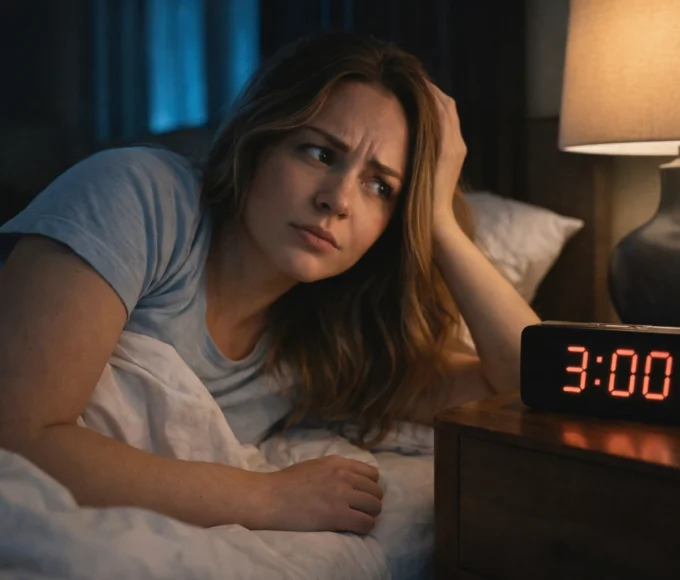
- Watching the clock
- Calculating hours left to sleep
- Stressing about tomorrow’s fatigue
- Feeling trapped in bed
Sleep doesn’t respond well to pressure. Anxiety thrives on it.
Why Anxiety Feels Worse at Night for People With Busy Days
People who stay productive all day often feel anxiety hit hardest at night. When emotions are pushed aside for hours, they don’t disappear—they wait.
- Daytime coping through distraction
- Little time to process feelings
- Emotional “catch-up” at night
- Sudden wave of unresolved stress
Night becomes the only time emotions feel allowed to surface.
What Actually Helps When Anxiety Spikes at Night
Nighttime anxiety doesn’t need to be fought aggressively. In fact, gentle responses usually work better than force.
- Letting go of “fixing” the feeling
- Slowing the body before the mind
- Creating a sense of safety
- Allowing discomfort without panic
Relief often comes from lowering pressure, not increasing effort.
Create a Wind-Down Routine That Signals Safety
Your brain learns patterns quickly. A consistent nighttime routine helps signal that it’s okay to relax.
- Dimming lights an hour before bed
- Doing the same calm activity nightly
- Avoiding intense conversations late
- Keeping bedtime flexible, not rigid
Routine isn’t about perfection—it’s about familiarity.
Use Gentle Body-Based Tools First
When anxiety feels physical, talking yourself out of it rarely works. Start with the body.
- Slow, steady breathing
- Warm showers or heating pads
- Stretching or light movement
- Grounding through touch (blankets, pillows)
Calming the body often quiets the mind naturally.
Let Your Thoughts Exist Without Chasing Them
Trying to stop anxious thoughts usually backfires. Instead, aim for a softer approach.
- Acknowledge the thought without engaging
- Say “not right now” instead of “go away”
- Write worries down to revisit tomorrow
- Remind yourself thoughts aren’t commands
You don’t have to solve everything tonight.
Get Out of Bed If Anxiety Feels Trapped
If you’ve been lying awake with anxiety for a long time, staying in bed can make it worse.
- Move to a dim, quiet space
- Do something boring and calming
- Avoid scrolling or bright screens
- Return to bed when sleepiness returns
This helps break the association between bed and anxiety.
Limit Nighttime Triggers Without Being Extreme
Small changes can make a big difference without turning bedtime into a strict rulebook.
- Reduce caffeine later in the day
- Avoid heavy meals right before bed
- Lower stimulating content at night
- Keep news and intense media earlier
Balance matters more than restriction.
Reassure Yourself Without Dismissing the Feeling
Telling yourself “it’s nothing” can feel invalidating. Reassurance works better when it’s honest and kind.
- “This feels uncomfortable, but I’m safe.”
- “I’ve felt this before, and it passed.”
- “I don’t need to solve this right now.”
- “My body is trying to protect me.”
Gentle self-talk helps calm the nervous system.
When Nighttime Anxiety Becomes a Pattern
Occasional anxiety at night is common. But if it happens most nights or disrupts your life, extra support can help.
- Ongoing sleep disruption
- Fear of bedtime itself
- Panic attacks at night
- Anxiety affecting daily function
Support doesn’t mean failure—it means care.
You’re Not Broken for Feeling This Way at Night
Nighttime anxiety feels personal, but it’s deeply human. When the world gets quiet, the mind often gets loud. That doesn’t mean you’re weak, failing, or doing something wrong.
With patience, gentle habits, and self-compassion, nights can slowly feel safer again. You don’t need to force calm—you can let it arrive in its own time.
Medical Disclaimer:
This article is for general informational purposes only and does not replace professional medical advice. If anxiety or sleep problems are severe, persistent, or affecting your daily life, consider speaking with a qualified healthcare professional.





Leave a comment