





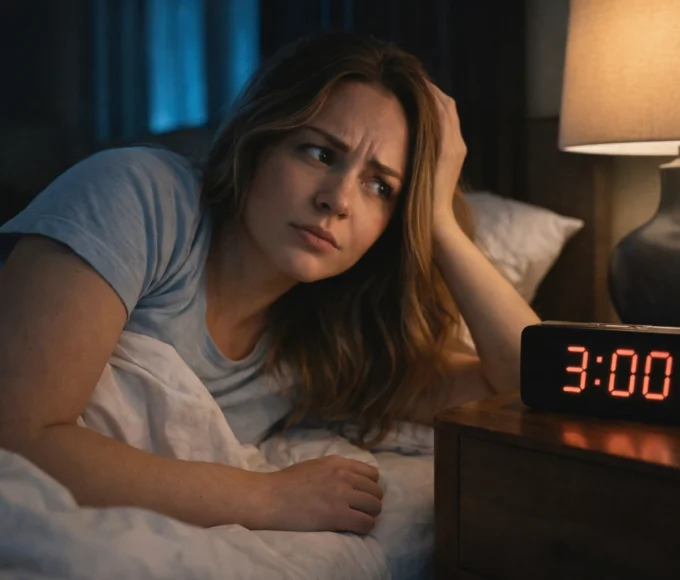
Some nights, you’re lying in bed doing everything “right.” Phone down. Lights low. Alarm set. And still, your mind won’t slow down. You start wondering if breathing a certain way might actually help—box breathing vs 4-7-8—and which one people really use when anxiety or stress won’t let go.
Why breathing methods suddenly feel personal
Breathing techniques sound simple, almost too simple. But when stress sits in your chest, or anxiety tightens your stomach, the way you breathe suddenly matters. These methods aren’t about fixing anything—they’re about giving your nervous system a moment to feel safe again.
- People often try them during panic
- Others use them before sleep
- Many stumble on them after a rough day, not a calm one
What box breathing actually feels like
Box breathing is structured and steady. It’s often used by people who feel mentally overloaded or overstimulated. The rhythm creates a sense of control, which can feel grounding when thoughts are racing or emotions feel sharp.
- Inhale for a count
- Hold briefly
- Exhale slowly
- Pause again before the next breath
The even timing is part of the comfort.
What 4-7-8 breathing feels like in the body
4-7-8 breathing tends to feel softer and more internal. It encourages longer exhales, which many people notice right away. Instead of feeling “focused,” it often feels sedating—like the body is being gently reminded it’s okay to rest.
- Slower breathing overall
- Longer pause after inhaling
- Emphasis on letting go during the exhale
Some people describe it as a natural off-switch.
How box breathing affects anxiety in the moment
Anxiety often brings a sense of urgency. Box breathing can interrupt that loop by giving the mind something neutral to focus on. The structure alone can reduce the feeling that things are spinning out of control.
- Helps during sudden stress
- Useful when emotions feel sharp
- Commonly used at work or in public
It doesn’t numb feelings—it organizes them.
How 4-7-8 works for anxious thoughts
Anxiety isn’t always loud. Sometimes it’s quiet and constant. 4-7-8 breathing can help when anxiety shows up as restlessness, worry, or tension rather than panic. The longer exhale signals the body to shift gears.
- May slow heart rate gently
- Often feels calming within minutes
- Can make the body feel heavier or warmer
For some, that heaviness is relief.
Stress relief: control vs release
Stress looks different from anxiety. It often shows up as tight shoulders, shallow breathing, or mental fatigue. Box breathing and 4-7-8 help reduce stress in different ways, depending on what you need most in that moment.
- Box breathing = mental clarity
- 4-7-8 = physical relaxation
- One feels steady, the other feels soft
Neither is “better” across the board.
Which breathing style fits busy, stressful days
During the day, stress often comes with noise, screens, and pressure. Box breathing tends to fit better into those moments because it doesn’t make you feel sleepy or disconnected.
- Easier to do sitting upright
- Works well between tasks
- Doesn’t require closing your eyes
It feels practical, not fragile.
Why 4-7-8 is often linked to sleep
Sleep problems usually involve an overactive nervous system. 4-7-8 breathing helps by slowing the body down, especially the exhale. Many people notice yawning or heavy eyelids after a few rounds.
- Best used lying down
- Helpful during nighttime anxiety
- Can shorten the time it takes to feel drowsy
It’s less about technique and more about timing.
What science suggests without overcomplicating it
Breathing affects the vagus nerve, which plays a role in calming the body. Studies from institutions like Harvard Medical School have shown that slow, controlled breathing can reduce stress responses and support relaxation over time.
- Slower breathing = calmer signals
- Longer exhales matter
- Consistency matters more than perfection
The body responds to rhythm, not rules.
Why do some people prefer box breathing?
Not everyone wants to feel sleepy when they’re stressed. Some people want to feel steady, alert, and in control. Box breathing offers that without overstimulation.
- Often preferred by people with panic
- Useful during high-pressure moments
- Feels predictable and safe
It gives the mind a job.
Why others swear by 4-7-8
For people who carry tension quietly, 4-7-8 feels like permission to stop holding everything together. It can feel emotional, even comforting, especially at night.
- Common choice for insomnia
- Helps unwind after emotional days
- Can feel soothing without effort
It asks less of the mind.
Can you switch between the two?
Many people do—and it often works better that way. Breathing techniques aren’t a commitment. They’re tools. What helps in the morning might not help at midnight.
- Box breathing for daytime stress
- 4-7-8 for evening wind-down
- Switching is normal
Listening to your body matters more than sticking to one method.
When breathing exercises don’t feel helpful
Sometimes, focusing on breathing can actually increase anxiety, especially for people who feel hyper-aware of their body. That doesn’t mean anything is wrong—it just means another approach may work better for now.
- Gentle movement may help
- Grounding through sound or touch can work
- Breathing can be revisited later
There’s no deadline to calm down.
How long does it usually take to notice a difference
Some people feel calmer within a minute. Others notice benefits after a week of regular use. Breathing works quietly—it doesn’t always announce itself.
- Immediate relief is common but not guaranteed
- Regular practice builds familiarity
- Effects often deepen over time
Subtle changes still count.
Choosing the right one for you
The better technique is the one you’ll actually use. If counting feels stressful, 4-7-8 may not fit. If long exhales feel uncomfortable, box breathing may feel safer.
- Comfort matters
- Ease matters
- Trust your response
Your body gives feedback if you listen.
A quiet reminder before you try again
Breathing techniques don’t fix life. They don’t erase problems or emotions. What they do is create a pause—a small window where your body remembers how to settle, even if just for a moment.
That moment is often enough to change how the next one feels.
Medical disclaimer:
This article is for general information only and is not a substitute for medical or mental health advice. If anxiety, stress, or sleep problems are ongoing or severe, consider speaking with a qualified healthcare professional.




Leave a comment