





Yoga has become very popular around the world. Millions of people practice it every day to stay healthy and relaxed.
Many people start yoga to reduce stress. Others want to improve flexibility or move their body in a gentle way. Some people simply want a calm moment in their busy day.
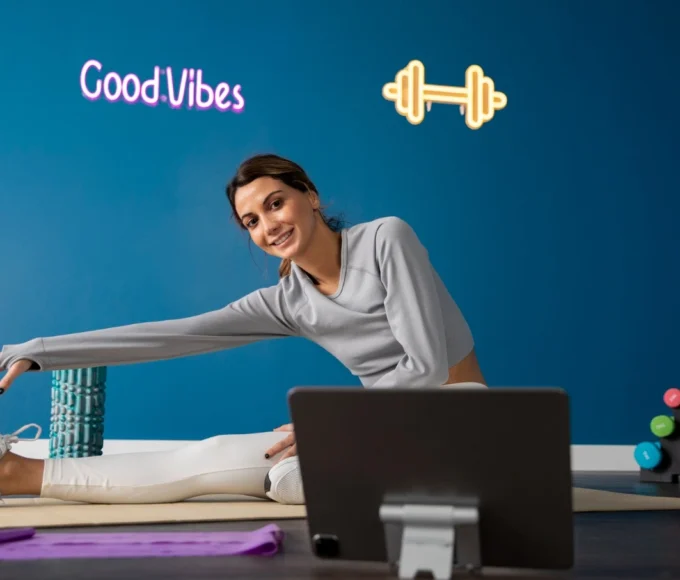
Yoga does not require expensive equipment. You can practice it at home, in a studio, or even outside in nature.
Because yoga is simple and flexible, beginners of all ages can try it. Learning about yoga and its various styles can help you find the approach that suits you best.
What Is Yoga?

Yoga is a mind-body practice that combines body movement, breathing exercises, and relaxation techniques. It began in ancient India and is now practiced worldwide to support physical health, mental calm, and overall balance.
Today, people practice yoga for many reasons. Some want to stretch their body and improve flexibility. Others use yoga to relax the mind and manage stress.
Yoga is not only about exercise. It also teaches people to breathe slowly, focus their attention, and feel more connected to their body.
What Are the Main Parts of Yoga?
Yoga includes three main parts that work together to support both the body and the mind.
1. Asana – Body Poses
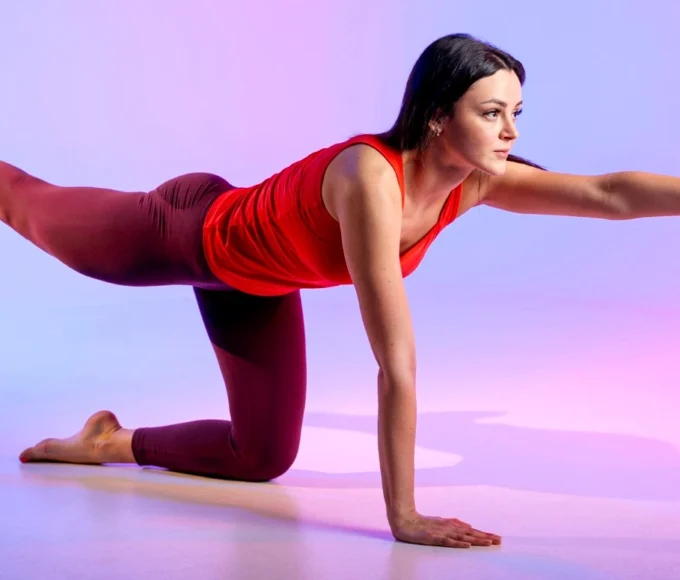
‘Asana’ means ‘body positions or poses’. These poses stretch muscles, improve balance, and strengthen the body. Some poses are simple, while others are more challenging.
Beginners usually start with basic poses that are easy to learn.
2. Pranayama – Breathing Exercises
Pranayama means controlled breathing. Yoga breathing exercises help people breathe slowly and deeply. This can help relax the nervous system and promote a sense of calm in the body. Learning to breathe properly is a crucial aspect of yoga.
3. Meditation – Calming the Mind
Meditation means focusing the mind and becoming more aware of the present moment. In yoga, meditation helps quiet busy thoughts. Many yoga sessions end with a short meditation or relaxation period. Over time, meditation can help improve focus and emotional balance.
How Many Types of Yoga Are There?
There are many types of yoga, but beginners usually learn a few common styles first.
Each yoga style has a different pace and goal. Some focus on slow stretching, while others involve more active movement.
Learning about the different types of yoga can help you decide which one feels right for your body and lifestyle.
8 Popular Types of Yoga Beginners Should Know
Many yoga styles are practiced around the world today. Each style offers its own benefits and experience. Here are some of the most common beginner yoga styles.
Hatha Yoga
Hatha yoga is one of the most common yoga styles for beginners. This style moves slowly and focuses on basic poses and breathing.
Classes usually include simple stretches and gentle movements. Teachers often explain poses step by step.
Because the pace is slow, beginners have time to learn proper posture and breathing. Many people start their yoga journey with Hatha yoga.
Vinyasa Yoga
Vinyasa yoga is more dynamic than Hatha yoga. In this style, poses flow smoothly from one position to another. Movements follow the rhythm of breathing.
The pace is usually moderate, which makes the class feel more like a gentle workout. Vinyasa yoga can help improve flexibility, balance, and coordination. Many people enjoy this style because the movements feel fluid and natural.
Ashtanga Yoga
Ashtanga yoga follows a specific sequence of poses. Each class includes the same order of movements, which helps practitioners build strength and discipline.
The pace is faster and more physically demanding compared to beginner styles.
Because of this, Ashtanga yoga is usually better for people who already have some yoga experience or good fitness levels.
Iyengar Yoga
Iyengar yoga focuses strongly on body alignment. The goal is to perform each pose with correct posture and stability.
In many classes, instructors use props such as blocks, straps, or blankets. These tools help people perform poses safely.
This style is helpful for beginners because it teaches how to position the body correctly.
Iyengar yoga is also popular among people recovering from injuries or those who want careful guidance.
Kundalini Yoga
Kundalini yoga combines several practices. These include movement, breathing exercises, chanting, and meditation.
The goal of Kundalini yoga is to awaken energy within the body and increase awareness.
Classes may feel different from traditional exercise because they include sound, rhythm, and deep breathing.
Many people enjoy Kundalini yoga because it focuses on both mental and emotional balance.
Yin Yoga
Yin yoga is a slow and calm practice. In this style, poses are held for a longer time, often one to five minutes.
Holding poses for longer stretches allows deeper tissues in the body, such as ligaments and joints. Yin yoga encourages relaxation and patience. This style can feel very peaceful, making it popular for stress relief.
Restorative Yoga
Restorative yoga is one of the most relaxing yoga styles. The goal is deep rest and recovery.
In this practice, poses are supported with pillows, blankets, or cushions. These props help the body stay comfortable.
Most poses are held for several minutes while the body relaxes.
Restorative yoga is often recommended for people who feel tired, stressed, or overwhelmed.
Bikram or Hot Yoga
Bikram yoga, commonly known as hot yoga, is performed in a room that is kept warm. The room temperature is usually much warmer than normal.
This style follows a fixed sequence of yoga poses. The warm environment can help muscles loosen and stretch more easily.
However, the heat can also make the class more intense. Beginners should drink water and listen to their bodies during hot yoga.
Comparison of Common Yoga Styles
| Yoga Type | Pace | Best For |
|---|---|---|
| Hatha | Slow | beginners |
| Vinyasa | Moderate | flexibility |
| Ashtanga | Fast | strength |
| Iyengar | Slow | posture |
| Kundalini | Moderate | mind-body balance |
| Yin | Very slow | deep stretch |
| Restorative | Gentle | relaxation |
| Bikram | Intense | flexibility |
Why Do People Practice Yoga?
People practice yoga for many different reasons. One of the biggest reasons is that yoga helps both the body and the mind.
Here are some common yoga benefits.
Improved Flexibility
Yoga stretches many muscles in the body.
Over time, regular practice can help the body move more easily and comfortably.
Better Balance
Many yoga poses require standing or balancing on one leg. Practicing these poses can help improve coordination and body control.
Stress Relief
Slow breathing combined with gentle movements can help relax the nervous system. Many people feel more relaxed after a yoga session.
Stronger Muscles
Some yoga poses require supporting your body weight. This helps build strength in the arms, legs, and core.
Calmer Mind
Yoga encourages slow breathing and quiet focus. This can help people feel more peaceful and mentally clear.
Which Type of Yoga Is Best for Beginners?
For most beginners, Hatha yoga, Iyengar yoga, and Restorative yoga are the easiest styles to start with.
These types move slowly and give people time to learn basic poses. Hatha yoga teaches simple movements and breathing.
Iyengar yoga helps beginners understand correct posture.
Restorative yoga focuses on relaxation and gentle stretching.
Starting with these styles can help beginners build confidence before trying faster or more challenging classes.
Is Yoga Safe for Everyone?
Yes, yoga is generally safe for most people when practiced carefully. However, beginners should follow some basic safety tips.
Helpful safety tips:
- move slowly during poses
- listen to your body
- stop if you feel pain
- avoid forcing difficult positions
- learn from a trained instructor if possible
These steps can help prevent injuries and make yoga practice more enjoyable.
Expert Insight
Many yoga instructors recommend that beginners start with slower yoga styles. Slow classes give people time to understand breathing, balance, and posture.
Learning these basic skills first helps build a strong foundation for future yoga practice.
Once beginners feel comfortable, they can explore more active styles if they want.
FAQs:
What is the main purpose of yoga?
The main purpose of yoga is to connect the body and mind. It helps people improve flexibility, reduce stress, and feel more balanced through movement, breathing, and relaxation.
How often should beginners practice yoga?
Those new to the practice can begin with about two to three sessions each week. Short sessions of 20 to 30 minutes can be enough to build strength and flexibility over time.
Do you need to be flexible to start yoga?
No, flexibility is not required to start yoga. Many people begin yoga to improve their flexibility gradually.
Can yoga help reduce stress?
Yes. Yoga encourages slow breathing and relaxation, which can help the body feel calmer and reduce everyday stress.
Yoga does not need to be complicated. Even a few simple poses and slow breathing can help the body feel better and the mind feel calmer. Taking small steps, exploring different styles, and practicing regularly can help beginners enjoy the benefits of yoga over time.






Leave a comment