



Strong coffee. Some people love it for the sharp wake-up and bold taste. Others avoid it entirely, worried it might make their heart race or ruin their sleep. As coffee habits shift globally, one variety is increasingly appearing in homes, cafés, and instant blends: Robusta.
Robusta coffee is no longer just a background ingredient. It is growing fast in popularity, especially as people look for stronger flavours, higher caffeine, and more affordable options. But that growth raises a practical question many coffee drinkers quietly ask: Is Robusta actually harder on the heart and sleep than other coffees, or is its reputation exaggerated?
Understanding Robusta does not require choosing sides. It requires understanding how caffeine works, how bodies respond differently, and why “stronger” does not always mean “worse.”
What Makes Robusta Coffee Different?
Robusta coffee comes from a different type of coffee plant than Arabica. However, the difference in flavour is obvious—Robusta is often described as more bitter and earthy.
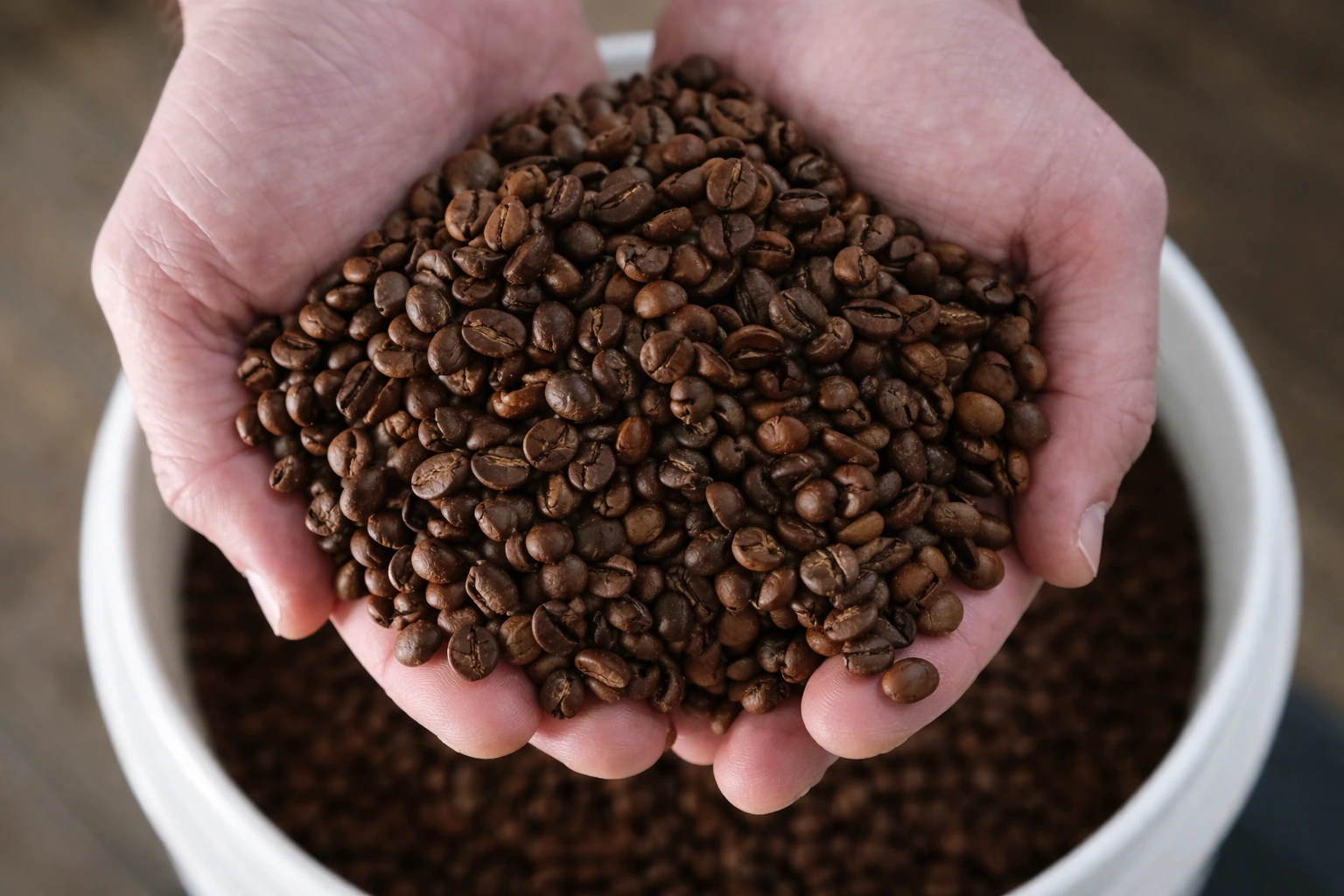
Robusta beans generally contain significantly more caffeine than Arabica beans. This higher caffeine level is one reason Robusta plants are more resistant to pests and disease. It is also the reason Robusta coffee feels noticeably stronger to many people, even in smaller servings.
Because of this, Robusta is commonly used in instant coffee, espresso blends, and products designed to deliver a more powerful kick. As coffee consumption patterns change, especially among people who want quicker stimulation, Robusta’s presence has increased.
Caffeine Levels: Why Robusta Feels Stronger
Caffeine is a stimulant. It works by blocking a chemical called adenosine in the brain, which promotes relaxation and sleep. When adenosine is blocked, alertness increases and fatigue occurs more slowly.
Robusta coffee contains more caffeine per bean, which means that even when brewed similarly, it often delivers a stronger stimulant effect. This can feel energising, but it can also feel overwhelming for some people.
Importantly, “strong” is not just about taste. A coffee can taste mild but still contain high caffeine, depending on the bean and brewing method. With Robusta, the stimulant effect tends to be more noticeable, particularly for people who are sensitive to caffeine or who drink coffee later in the day.
How Robusta Coffee Can Affect Heart Rate
One of the most common concerns about strong coffee is its effect on the heart. Caffeine can temporarily increase heart rate and make the heartbeat feel more noticeable. For many people, this is mild and short-lived.
With Robusta coffee, the higher caffeine content means this effect may feel stronger. Some people notice a quicker pulse, a sense of internal restlessness, or a slight jittery feeling after drinking it.
This does not automatically mean Robusta is harmful. In healthy individuals, these sensations usually pass as caffeine is metabolised. However, people who are already sensitive to stimulants often notice these effects more clearly with Robusta than with lower-caffeine options.
Listening to how the body responds is more useful than assuming all strong coffee has the same impact.
Robusta, Anxiety, and Stimulation
Caffeine does not create anxiety on its own, but it can amplify existing feelings of tightness or nervousness. Robusta’s higher caffeine content means it may intensify these sensations in people who are prone to anxiety or stress.
Some people describe feeling mentally alert but physically unsettled after strong coffee. Thoughts may speed up, concentration may feel scattered, and the body may struggle to relax. These effects are not dangerous in themselves, but they can feel uncomfortable.
Others experience the opposite: improved focus, sharper attention, and a sense of motivation. This difference comes down to individual tolerance, timing, and overall lifestyle rather than the coffee alone.
Sleep and Robusta Coffee: Timing Matters
Sleep is where Robusta’s strength becomes most noticeable. Caffeine has a long half-life, meaning it can stay active in the body for several hours after consumption.
Because Robusta contains more caffeine, drinking it later in the day is more likely to interfere with sleep. People may fall asleep more slowly, experience lighter sleep, or wake more easily during the night.
Some individuals do not feel sleepy problems immediately but notice poorer sleep quality over time. This can lead to a cycle of fatigue followed by stronger coffee the next day.
For people who are already light sleepers, Robusta is usually better suited to earlier hours rather than afternoons or evenings.
Who May Want to Be Careful With Robusta Coffee
Robusta is not unsuitable for everyone, but it is not ideal for all situations either. People who may want to limit or avoid Robusta include:
- Those who are highly sensitive to caffeine
- Individuals who notice heart racing or restlessness after strong coffee
- People who struggle with anxiety or tension
- Light sleepers or those with difficulty falling asleep
- Anyone who drinks coffee later in the day
Avoiding Robusta does not mean avoiding coffee entirely. It simply means choosing options that align better with personal tolerance.
Who May Actually Benefit From Robusta
Despite its reputation, Robusta has advantages for certain people. Its higher caffeine content can be useful for those who:
- Need sustained alertness during long shifts
- Prefer smaller amounts of coffee with a stronger effect
- Drink coffee earlier in the day and metabolise caffeine efficiently
- Enjoy bold flavours and intense brews
For these individuals, Robusta can feel efficient rather than excessive. The key is intention and timing, not avoidance.
Taste, Habit, and Perception
Part of Robusta’s reputation comes from how it tastes. Bitterness is often associated with strength, even when caffeine levels are similar. Because Robusta tastes more intense, people expect stronger effects—and sometimes interpret normal stimulation as something negative.
Habit also plays a role. Someone used to mild coffee may find Robusta overwhelming at first, while someone accustomed to strong espresso may find it perfectly manageable.
Perception shapes experience more than many people realise.
Making Robusta Work in Everyday Life
Robusta does not need to be consumed in large quantities to have an effect. Smaller servings, earlier timing, and balanced routines can make a noticeable difference.
Pairing strong coffee with food can also soften its impact. Drinking Robusta on an empty stomach tends to intensify stimulation, while having it alongside breakfast often feels steadier.
Hydration, sleep habits, and stress levels all influence how coffee feels in the body. Robusta magnifies these factors rather than acting alone.
A Balanced Way to Look at Strong Coffee
Robusta coffee is stronger in caffeine, but stronger does not automatically mean harmful. Its effects on heart rate and sleep depend far more on the person drinking it than on the bean itself.
For some, Robusta is energising and efficient. For others, it feels too intense. Both experiences are valid.
The most useful approach is not fear or hype, but awareness. Knowing how your body responds allows you to enjoy coffee without unnecessary worry—or to choose alternatives when needed.
Strong coffee does not demand avoidance. It demands understanding.
Disclaimer
This article is for general lifestyle and informational purposes only. It does not provide medical advice, diagnosis, or treatment. Individual responses to caffeine vary, and personal health concerns should be discussed with a qualified professional.
Latest Posts: –
- ABC Juice Benefits: What This Nutrient-Rich Drink Really Does for Your Body
- Papaya vs Avocado: Which Fruit Is Better for Weight Loss, Digestion, and Overall Health?
- Papaya Benefits for Women: Skin, Hormones & Weight Loss Explained
- Fig Benefits for Men: Can Figs Really Help Boost Energy and Stamina?
- Papaya for Digestion: How This Enzyme-Rich Fruit Fixes Your Gut Naturally









Leave a comment