



‘Anxiety‘ is a word many people use casually, but the experience behind it can be very different from one person to another. For some, anxiety appears as a brief wave of nervousness before an interview or exam. For others, it feels constant — a background sense of unease that lingers even when life appears calm on the surface.
In the UK, anxiety is discussed more openly than ever before, yet many people still struggle to explain what they are feeling or why it does not simply go away. Understanding anxiety does not make it disappear, but it often makes the experience feel less confusing and far more manageable.
Table of Contents
What Is Anxiety?
Anxiety is the body’s natural response to stress, uncertainty, or perceived danger. It is closely linked to the “fight or flight” response, which prepares the body to react quickly when it senses a threat.
In short bursts, anxiety can be useful. It can help people stay alert, focused, and motivated. Problems tend to arise when anxiety becomes frequent, intense, or long-lasting — especially when there is no clear or immediate danger. At that point, anxiety may begin to interfere with sleep, concentration, relationships, or everyday routines.
Anxiety Meaning in Everyday Life
In everyday terms, anxiety is a feeling of worry, fear, or unease that feels difficult to control. Many people describe it as a mind that keeps scanning for problems, even during moments that should feel relaxed or safe.
Anxiety is not a personal weakness, and it is not a sign of poor resilience. It is a common human response that can become heightened during periods of pressure, uncertainty, or prolonged stress.
What Does Anxiety Feel Like?
Anxiety does not always arrive with obvious warning signs. Sometimes it builds quietly in the background. You might notice it after a poor night’s sleep, or when a single thought keeps looping in your head for no clear reason. It can leave people with a vague sense that something feels “off”, even when life looks fine on the surface.
For some, anxiety stays mostly in the mind — constant “what if” thoughts, replaying conversations, or worrying about things that may never happen. Others feel it far more physically: tight shoulders, shallow breathing, or a heartbeat that suddenly feels louder than usual.
There is no single way anxiety is supposed to feel, which is one reason it can be so difficult to describe.
Common Symptoms and Signs of Anxiety
Anxiety can affect thoughts, the body, and behaviour at the same time. Emotionally, people may feel restless, irritable, or fearful that something bad is about to happen. Physically, anxiety may show up as muscle tension, fatigue, headaches, digestive discomfort, or sleep problems.
Behaviourally, anxiety can lead to avoiding certain situations, seeking reassurance repeatedly, or struggling to make decisions. Because these symptoms can overlap with other conditions, anxiety is not always immediately recognised.
What Causes Anxiety?
Anxiety rarely has a single cause. For most people, it develops through a combination of factors over time.
Common influences include ongoing stress related to work, finances, or relationships; major life changes; uncertainty about the future; past experiences; or health-related worries. Personality traits such as perfectionism or high sensitivity can also play a role.
In many cases, anxiety builds gradually rather than appearing suddenly.
Different Types of Anxiety
Anxiety can take several forms. Some of the most commonly discussed include:
- Generalised anxiety, which involves ongoing worry about multiple areas of life.
- Social anxiety, where fear centres around social situations and concerns about being judged by others.
- Panic attacks, which are sudden and intense episodes of fear that may include chest pain, dizziness, breathlessness, or a racing heart.
- Health anxiety, which involves persistent worry about physical symptoms or illness.
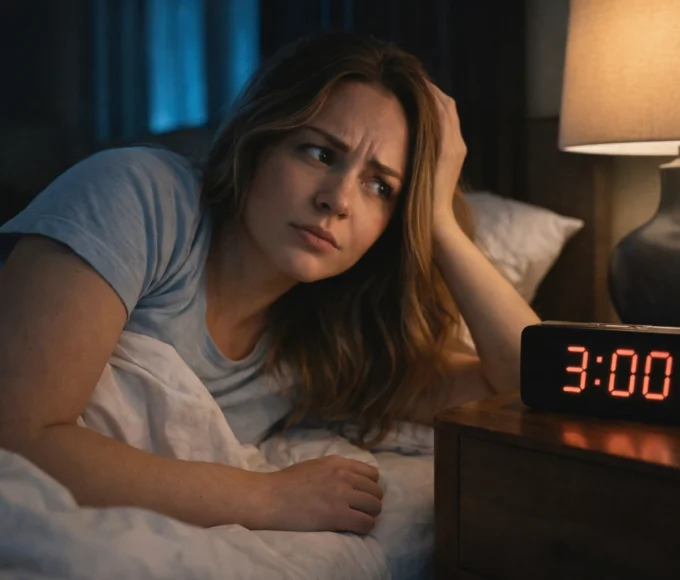
- Sleep anxiety, where anxious thoughts interfere with falling or staying asleep.
- Separation anxiety, which can affect both children and adults when away from loved ones.
Anxiety in Children
Children experience anxiety, too, although it may appear differently from adult anxiety. Some children complain of frequent stomach aches or headaches, avoid school or activities, become clingy, or struggle with sleep.
Support often focuses on reassurance, routine, and helping children talk about their feelings in a safe and age-appropriate way.
Anxiety in the UK and NHS Support
In the UK, anxiety is widely recognised by the NHS. Many people begin by speaking to their GP, who may suggest self-help strategies or refer them to NHS Talking Therapies services.
Cognitive behavioural therapy (CBT) is one of the most commonly offered approaches. Some people also explore private therapy, community support, or guided self-help resources alongside NHS care.
Coping Strategies and Anxiety Relief
People use many different strategies to reduce anxiety in daily life. What helps can vary, but commonly used approaches include regular movement, spending time outdoors, improving sleep routines, and reducing caffeine or alcohol intake.
Practical techniques such as breaking tasks into smaller steps, writing worries down, and using grounding exercises can also help reduce feelings of overwhelm.
Meditation and Mindfulness for Anxiety
Meditation techniques for anxiety often focus on breathing, awareness, and staying present. Some people find that even a few minutes of mindfulness can help calm racing thoughts and reduce physical tension.
Experiences differ, and meditation is usually one tool among many rather than a complete solution.
CBT and Talking Therapies
CBT is widely used in the UK and focuses on recognising unhelpful thought patterns and learning new ways to respond to anxiety. Other talking therapies may focus more on emotional awareness, relationships, or past experiences.
Many people find therapy particularly helpful when anxiety has been present for a long time.
Anxiety Medication and Tablets (General Information)
Some people explore medication for anxiety as part of a wider support plan. In the UK, medicines such as sertraline and propranolol are commonly discussed.
Sertraline is often associated with longer-term anxiety management, while propranolol is sometimes mentioned in relation to physical symptoms such as a racing heart or performance anxiety. Decisions about medication are usually made with healthcare professionals and reviewed over time.
There is also interest in supplements such as magnesium for anxiety, although experiences vary.
Anxiety Attacks and Panic Attacks
Anxiety attacks often build gradually in response to stress, while panic attacks tend to come on suddenly and intensely. Both can feel frightening, particularly when symptoms include chest discomfort or breathlessness.
Understanding what is happening in the body can sometimes reduce fear during these episodes.
Anxiety Chest Pain
Chest discomfort during anxiety can feel very real and alarming. It is often linked to muscle tension, breathing patterns, or the body’s stress response. When chest pain is new, severe, or persistent, people commonly seek medical reassurance.
Anxiety Rings and Grounding Tools
Some people use anxiety rings or other small grounding tools during anxious moments. Repetitive movements can provide focus and distraction, particularly in stressful or social situations. While these tools are not treatments, many people find them comforting.
Anxiety in Popular Culture
Anxiety is increasingly represented in music, films, and television. Characters such as Anxiety in Inside Out have helped normalise conversations about emotional overwhelm, particularly among younger audiences.
A Realistic Way of Looking at Anxiety
Anxiety rarely follows a straight path. Some days feel manageable, while others feel more challenging. Many people learn to live well alongside anxiety by understanding it better, responding to it differently, and seeking support when needed.
What matters most is knowing that anxiety is common, support is available in the UK, and many people find ways to manage symptoms while still leading full and meaningful lives.
Medical Disclaimer
This article is for general informational and educational purposes only and is not intended as medical advice, diagnosis, or treatment. Always consult a qualified healthcare professional or your GP regarding any health concerns or medical conditions.
Latest Posts:
- ABC Juice Benefits: What This Nutrient-Rich Drink Really Does for Your Body
- Papaya vs Avocado: Which Fruit Is Better for Weight Loss, Digestion, and Overall Health?
- Papaya Benefits for Women: Skin, Hormones & Weight Loss Explained
- Fig Benefits for Men: Can Figs Really Help Boost Energy and Stamina?
- Papaya for Digestion: How This Enzyme-Rich Fruit Fixes Your Gut Naturally
- anxiety
- anxiety awareness
- anxiety causes
- anxiety coping strategies
- anxiety disorders
- anxiety explained
- anxiety medication
- anxiety relief
- anxiety support
- anxiety symptoms
- anxiety therapy uk
- anxiety treatment
- anxiety uk
- cbt for anxiety
- health anxiety
- mental health uk
- mindfulness for anxiety
- nhs anxiety support
- panic attacks
- social anxiety




Leave a comment